Tell us about the job
Takes about a minute. No obligation.
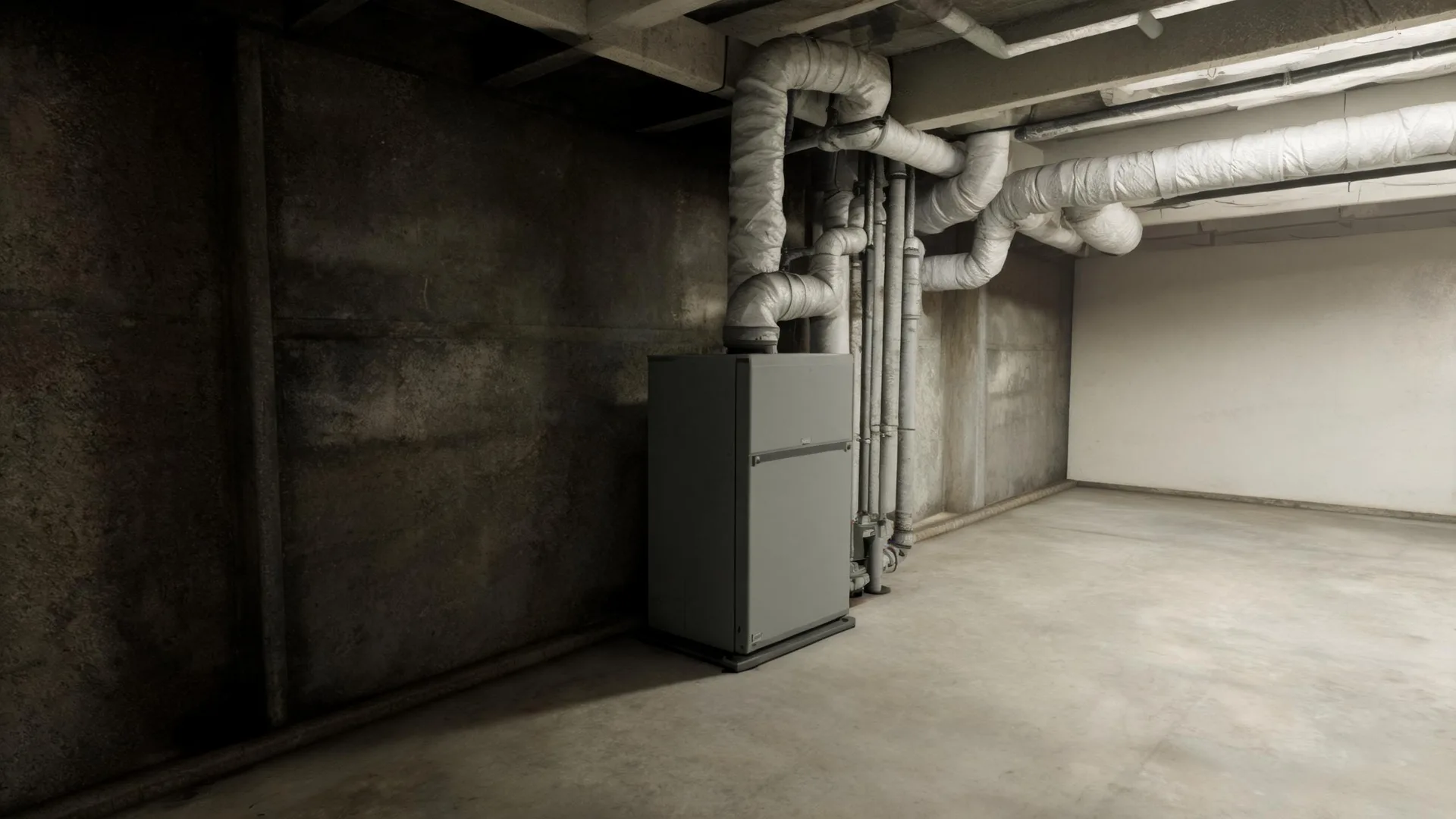
A boiler repair in Little River County starts with the burner assembly and ignition system, not the pipes or the pressure vessel. Homes in Little River County, AR run heat about five months a year, from November through March. Across those months, the burner fires and cuts out repeatedly, and the ignition components take that cycling load every time. Heat exchangers crack from thermal stress that builds gradually, not from a single hard event. When a contractor opens a boiler here, worn ignition electrodes, a fatigued burner, or a heat exchanger showing early fracture lines are the findings that drive the repair scope.
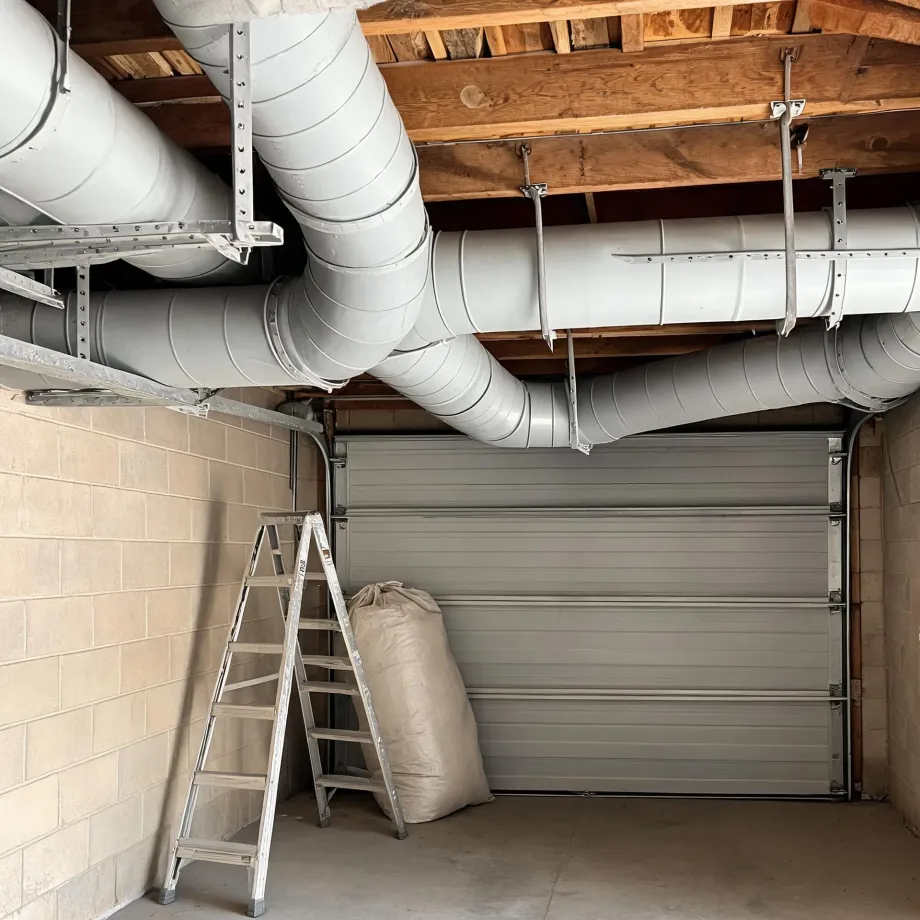
Piping runs, zone valves, and expansion tanks in houses this old were installed for systems that may no longer exist in the same form, and what a contractor finds once the boiler is open and the distribution loop is traced is what determines the actual repair scope. Half the homes in Little River County, Arkansas were built in 1980 or earlier (2020-2024 ACS 5-year). That means a service call here frequently turns up corroded fittings, non-standard pipe sizing, or zone hardware that does not match what the current boiler expects. The parts a contractor orders depend on those findings, not on the model number alone.
The Parts of a Boiler a Contractor Checks First
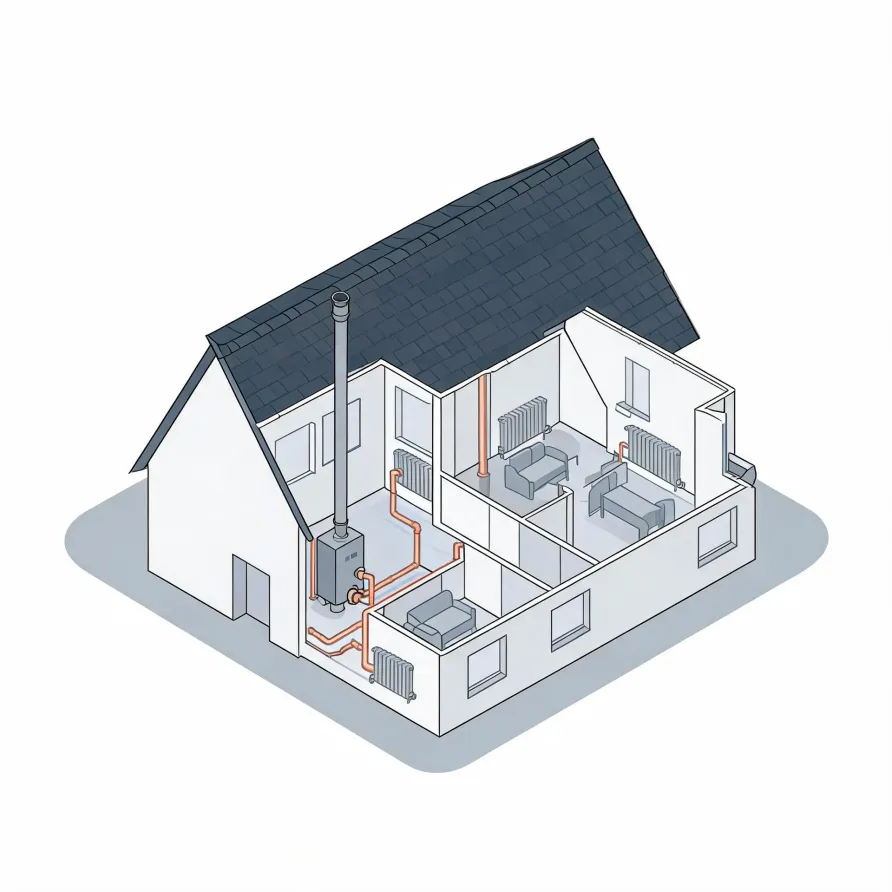
The boiler itself sits in a basement, utility room, or mechanical closet and is the piece a contractor goes to first. Inside it, the heat exchanger is the part most likely behind a heating problem. When it cracks or corrodes, combustion gases can leak into the house, and heat stops transferring to the water the way it should.
The circulator pump moves hot water out through the supply pipes and pulls cooler water back through the return line. The expansion tank, usually mounted nearby on the piping, absorbs pressure as the water heats up. Thermostats and zone valves sit at the edges of the system and tell the contractor whether a problem is in the boiler itself or somewhere further out.
The drawing shows a general layout of these components, and a licensed contractor determines which parts apply to your particular home and setup.
Find a contractor in Little River CountyLittle River County, Arkansas, by the numbers
64 severe weather events were recorded in Little River County, Arkansas between 2015 and 2024.
NOAA National Centers for Environmental Information, Storm Events Database, bulk CSV export, events 2015-01-01 through 2024-12-31.Half the homes in Little River County, Arkansas were built in 1980 or earlier (2020-2024 ACS 5-year).
U.S. Census Bureau, 2020-2024 American Community Survey 5-Year EstimatesLittle River County, Arkansas holds 6,059 housing units (2020-2024 ACS 5-year).
U.S. Census Bureau, 2020-2024 American Community Survey 5-Year EstimatesOwners occupy 80.1% of the occupied homes in Little River County, Arkansas (2020-2024 ACS 5-year).
U.S. Census Bureau, 2020-2024 American Community Survey 5-Year EstimatesCodes & Standards Covering Boiler and HVAC Repair in Little River County, Arkansas2 sourced rules and standards
What Little River County, Arkansas Requires for HVAC Repair Work
An Arkansas HVACR licence is good across the state: no city or county may require its own licence to do HVACR work, though local permits and inspections still apply.
Arkansas requires an HVACR licence or registration: it is unlawful to do HVACR work without the appropriate one unless the chapter exempts you.
Severe Weather Events in Little River County
Boilers in Little River County work against whatever the local climate sends, and that load shows up over time in worn seals, stressed controls, and heat exchangers that cycle harder than the manufacturer planned for. Weather history here is part of what shapes how much repair work a boiler actually sees.
64 severe weather events, 2015–2024. Source: NOAA National Centers for Environmental Information, Storm Events Database.