Tell us about the job
Takes about a minute. No obligation.
Homes in Miller County, AR run heat about five months a year, from November through March. A boiler cycling through that kind of heating demand puts its heaviest stress on the burner assembly and ignition system, the parts that fire and refire every time the thermostat calls for heat. By the time a homeowner notices a problem, those components have already accumulated a full season's worth of starts. A contractor working a boiler repair in this area checks the igniter, the burner orifices, and the heat exchanger for fatigue before pricing anything else, because that is where the season's load actually lands.
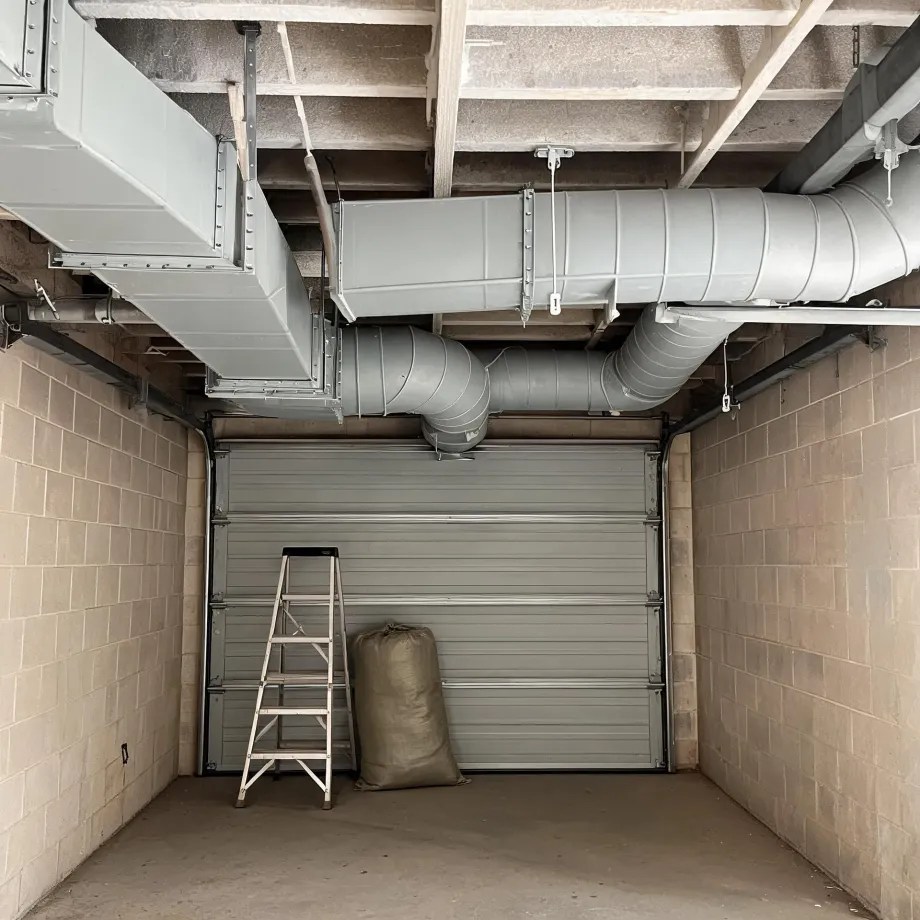
Piping and venting in a house this age have been adapted around at least one equipment change since the house was built, sometimes more, and what a contractor finds once the boiler is open often leads straight to those adaptations. Half the homes in Miller County, Arkansas were built in 1983 or earlier (2020-2024 ACS 5-year). That history matters for repair work because a failed part may sit at the end of a distribution system that has been patched and repatched over the years, and the repair scope follows what is actually there, not what the original build called for. A contractor who opens the unit and then traces the heat distribution before pricing the job is reading the house correctly.
The Parts of a Boiler a Contractor Checks First
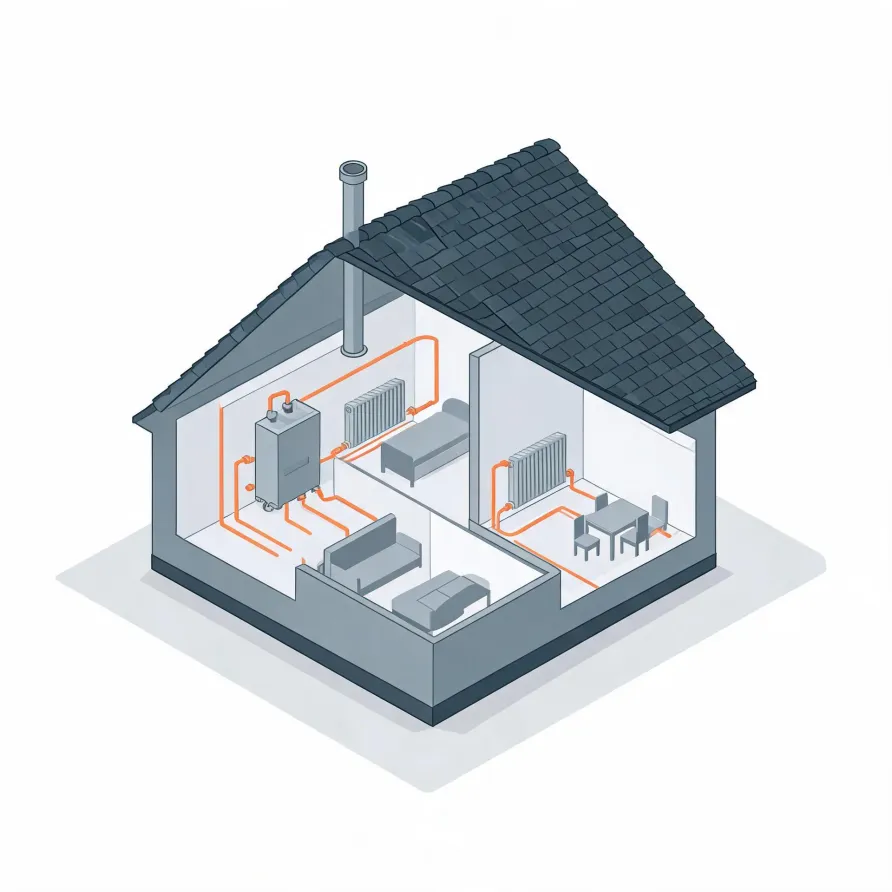
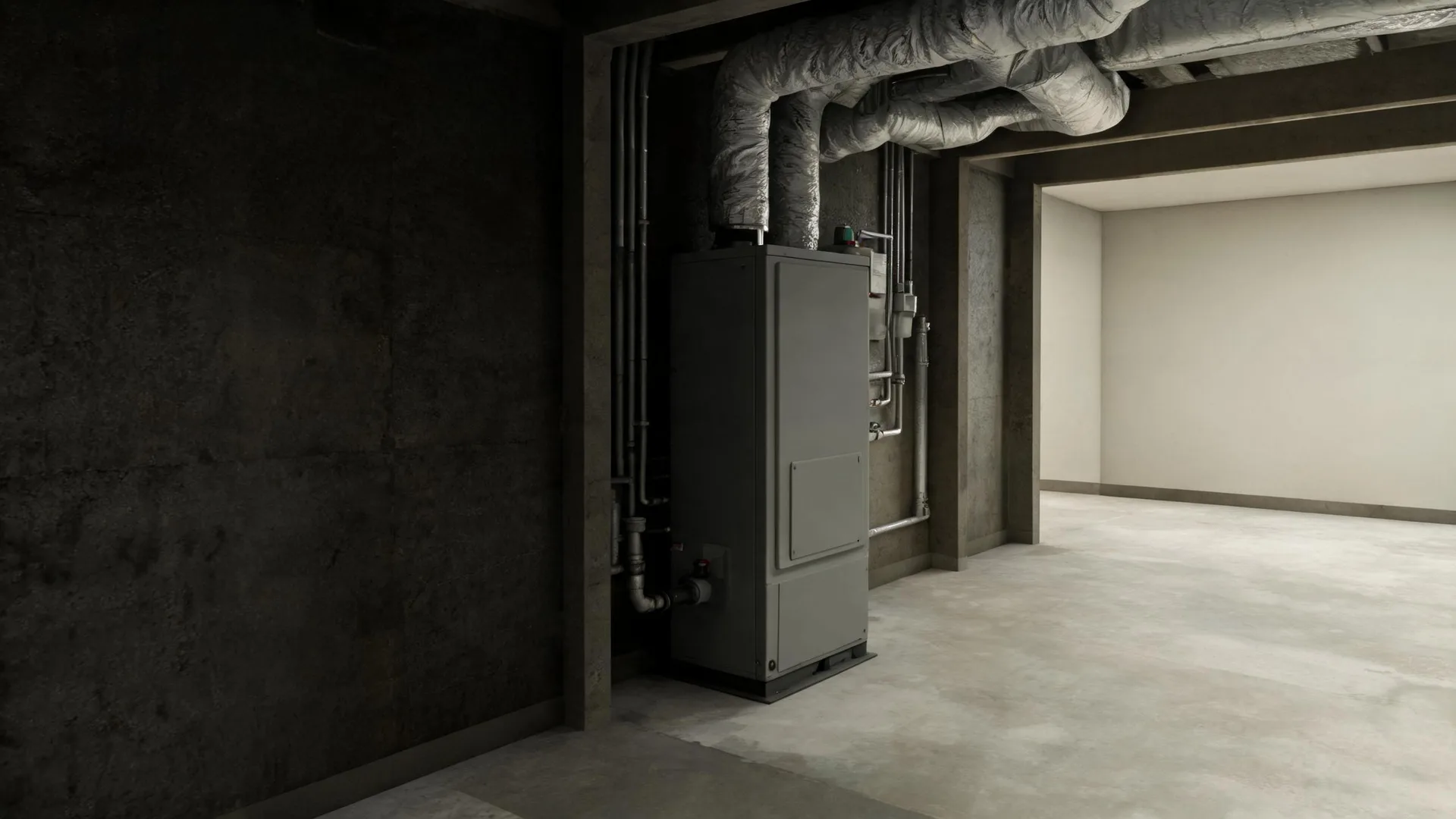
The boiler itself sits in the basement or a mechanical room and is the piece a contractor goes to first. It heats water and pushes it through the system. When it fails, the signs range from no heat at all to uneven warmth across the house. The heat exchanger inside it and the burner assembly are the usual suspects.
Radiators or baseboard units sit in the living spaces and release heat into each room. The circulator pump, typically near the boiler, moves hot water through the pipes that connect everything. A contractor also checks the expansion tank, the pressure relief valve, and the thermostat, because any one of them can cause the system to behave as if the boiler itself is the problem.
The drawing shows a typical boiler system layout, and a licensed contractor determines which parts apply to your specific setup.
Find a contractor in Miller CountyMiller County, Arkansas, by the numbers
91 severe weather events were recorded in Miller County, Arkansas between 2015 and 2024.
NOAA National Centers for Environmental Information, Storm Events Database, bulk CSV export, events 2015-01-01 through 2024-12-31.Half the homes in Miller County, Arkansas were built in 1983 or earlier (2020-2024 ACS 5-year).
U.S. Census Bureau, 2020-2024 American Community Survey 5-Year EstimatesMiller County, Arkansas holds 19,844 housing units (2020-2024 ACS 5-year).
U.S. Census Bureau, 2020-2024 American Community Survey 5-Year EstimatesOwners occupy 64.4% of the occupied homes in Miller County, Arkansas (2020-2024 ACS 5-year).
U.S. Census Bureau, 2020-2024 American Community Survey 5-Year EstimatesCodes & Standards Governing Boiler Repair in Miller County, Arkansas2 sourced rules & standards
What Miller County, Arkansas Requires for HVAC Repair Work
An Arkansas HVACR licence is good across the state: no city or county may require its own licence to do HVACR work, though local permits and inspections still apply.
Arkansas requires an HVACR licence or registration: it is unlawful to do HVACR work without the appropriate one unless the chapter exempts you.
Severe Weather Events in Miller County
Extreme weather puts real stress on boiler systems, and how hard a system works over its life is tied directly to where it lives. This chart shows the recorded severe weather history for the area, because local conditions shape repair frequency, part wear, and the load a boiler carries season to season.
91 severe weather events, 2015–2024. Source: NOAA National Centers for Environmental Information, Storm Events Database.