Tell us about the job
Takes about a minute. No obligation.
A boiler repair in Clark County starts with the burner assembly and ignition system, because those are the components that have been cycling since November. Homes in Clark County, AR run heat about five months a year, from November through March. By March, the igniter, the gas valve, and the heat exchanger have run through every cold snap the season threw at the house. A contractor diagnosing a no-heat call here checks that wear first, before looking at controls or pumps, because the heating load has already told them where the failure is most likely to sit.
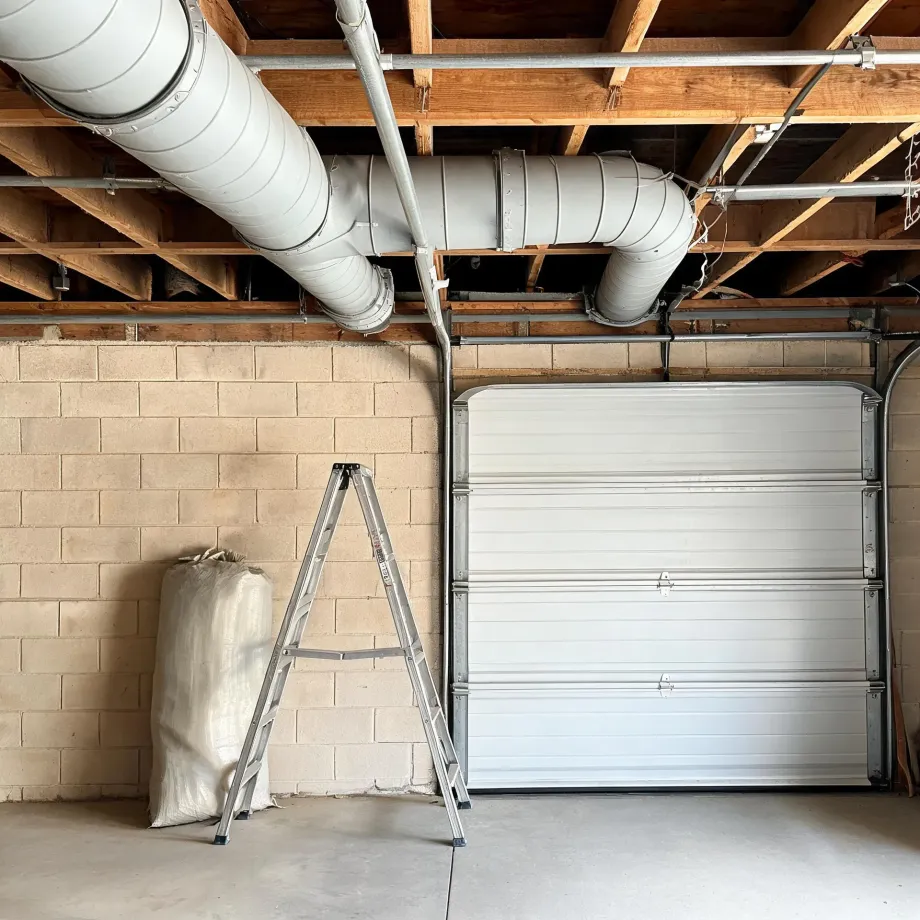
Boiler systems in housing stock this old were built to run on parts that have cycled through multiple waves of obsolescence. Half the homes in Clark County, Arkansas were built in 1985 or earlier (2020-2024 ACS 5-year). When a contractor opens a failed boiler here, the immediate question is what that specific unit takes and whether those components are still in production. A heat exchanger or a gas valve for a system this old can be a special order, a salvage find, or simply unavailable, and that answer drives the repair scope more than the labor does.
The Parts of a Boiler a Contractor Checks First
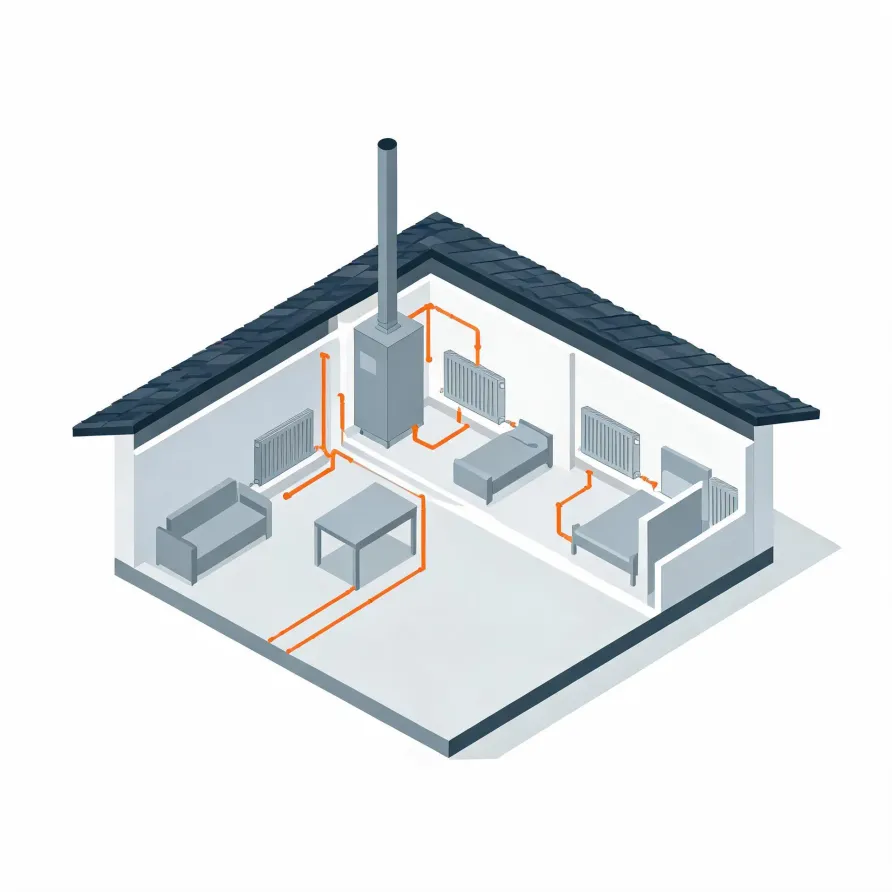
The boiler itself sits in a mechanical room, basement, or utility closet and is the piece a contractor goes to first. It heats water and pushes it through the system. When it fails, the signs range from no heat at all to uneven heating across rooms, and the burner, heat exchanger, and pressure vessel are the places a contractor looks.
From the boiler, pipes carry hot water to radiators or baseboard units in the living spaces, and a circulator pump keeps that water moving. The expansion tank, relief valve, and aquastat all sit close to the boiler and each one can be the source of pressure problems, temperature swings, or a unit that short-cycles and shuts off.
The drawing shows the general layout of a boiler system, and a licensed contractor determines which components apply and what condition they are in for your specific home.
Find a contractor in Clark CountyClark County, Arkansas, by the numbers
65 severe weather events were recorded in Clark County, Arkansas between 2015 and 2024.
NOAA National Centers for Environmental Information, Storm Events Database, bulk CSV export, events 2015-01-01 through 2024-12-31.Half the homes in Clark County, Arkansas were built in 1985 or earlier (2020-2024 ACS 5-year).
U.S. Census Bureau, 2020-2024 American Community Survey 5-Year EstimatesClark County, Arkansas holds 10,029 housing units (2020-2024 ACS 5-year).
U.S. Census Bureau, 2020-2024 American Community Survey 5-Year EstimatesOwners occupy 65.0% of the occupied homes in Clark County, Arkansas (2020-2024 ACS 5-year).
U.S. Census Bureau, 2020-2024 American Community Survey 5-Year EstimatesCodes & Standards Governing Boiler and HVAC Repair in Clark County, Arkansas2 sourced rules and standards
Licensing Rules for HVAC Repair in Clark County, Arkansas
An Arkansas HVACR licence is good across the state: no city or county may require its own licence to do HVACR work, though local permits and inspections still apply.
Arkansas requires an HVACR licence or registration: it is unlawful to do HVACR work without the appropriate one unless the chapter exempts you.
Severe Weather Events in Clark County
Boilers work hardest when outside conditions push hardest against them. How often that happens in Clark County shapes how much wear local equipment absorbs, and wear is what drives repair.
65 severe weather events, 2015–2024. Source: NOAA National Centers for Environmental Information, Storm Events Database.