

Why your radiators won't heat up in Arkansas
Tell a local repair pro what your boiler is doing.
Find my proRadiators that stay cold usually mean air is trapped inside them. Hot water boilers push water through the system, and when air gets into the loop it collects at the high points, which is often the radiator itself, and keeps the hot water from filling it. Bleeding the radiator lets that air out and solves it more often than not. If bleeding doesn't bring heat back, the problem is further up the line: a circulator pump that's stopped moving water, a zone valve stuck shut, or low water pressure in the boiler itself. A boiler that's losing pressure or short cycling is worth having looked at before a cold snap forces the issue, since a boiler with a stuck valve or a failing pump won't fix itself, and one dead radiator in a room is often the first sign something in the system needs attention.
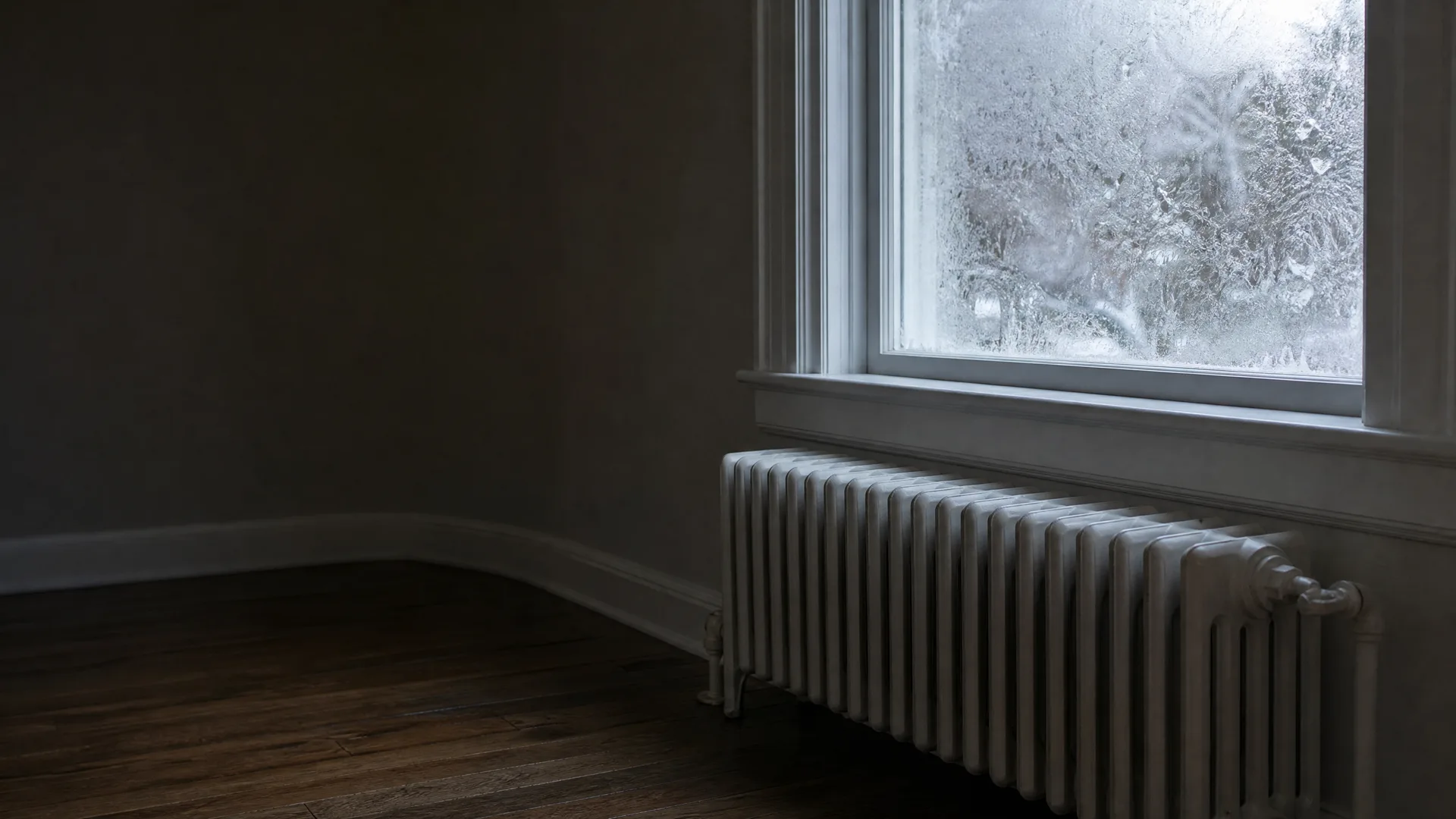
Ice has crept across the inside of the window glass by the time you get up. The cast-iron radiator underneath sits cold, quiet, no tick of heat moving through it. You put a hand on the top ridges anyway, the way you always do, and feel nothing. Somewhere in the basement the boiler is running, you can hear it, but whatever it's pushing through the pipes isn't reaching this room. The rest of the house holds its warmth fine. Just this one radiator, under this one window, on a morning cold enough to frost the glass from the inside. You bleed the valve a little out of habit, waiting to hear air hiss out ahead of the water.
Bleed It or Call Someone
Bleed It Yourself
- A radiator key fits the bleed valve on the side or top and turns it a quarter turn to let trapped air hiss out.
- Once water starts to dribble out instead of air, the radiator is full and you close the valve right away.
- This works on one cold radiator at a time, not on a boiler that's lost pressure or won't fire at all.
- If the radiator goes cold again within a few days, air is getting back in from somewhere else in the loop.
- You'll want a small bucket or rag under the valve, since water follows the air out.
Call a Contractor
- A boiler that keeps losing pressure or pulling in air usually has a leak somewhere in the piping, not just a stuck valve.
- A local contractor who services boilers all winter knows which models in this area tend to air-lock and why.
- If more than one radiator stays cold, or the boiler itself won't hold pressure, bleeding won't fix the actual problem.
- You get matched with one licensed contractor near you, so you're not fielding calls from several companies at once.
- A contractor can check the expansion tank and feed valve, parts that cause repeat air problems but aren't visible from the radiator.




Matched to your boiler job
The pro who reaches out is licensed in Arkansas.
A local pro who knows boilers gets your details and gets in touch.
No fee to send it, and nothing to sign.
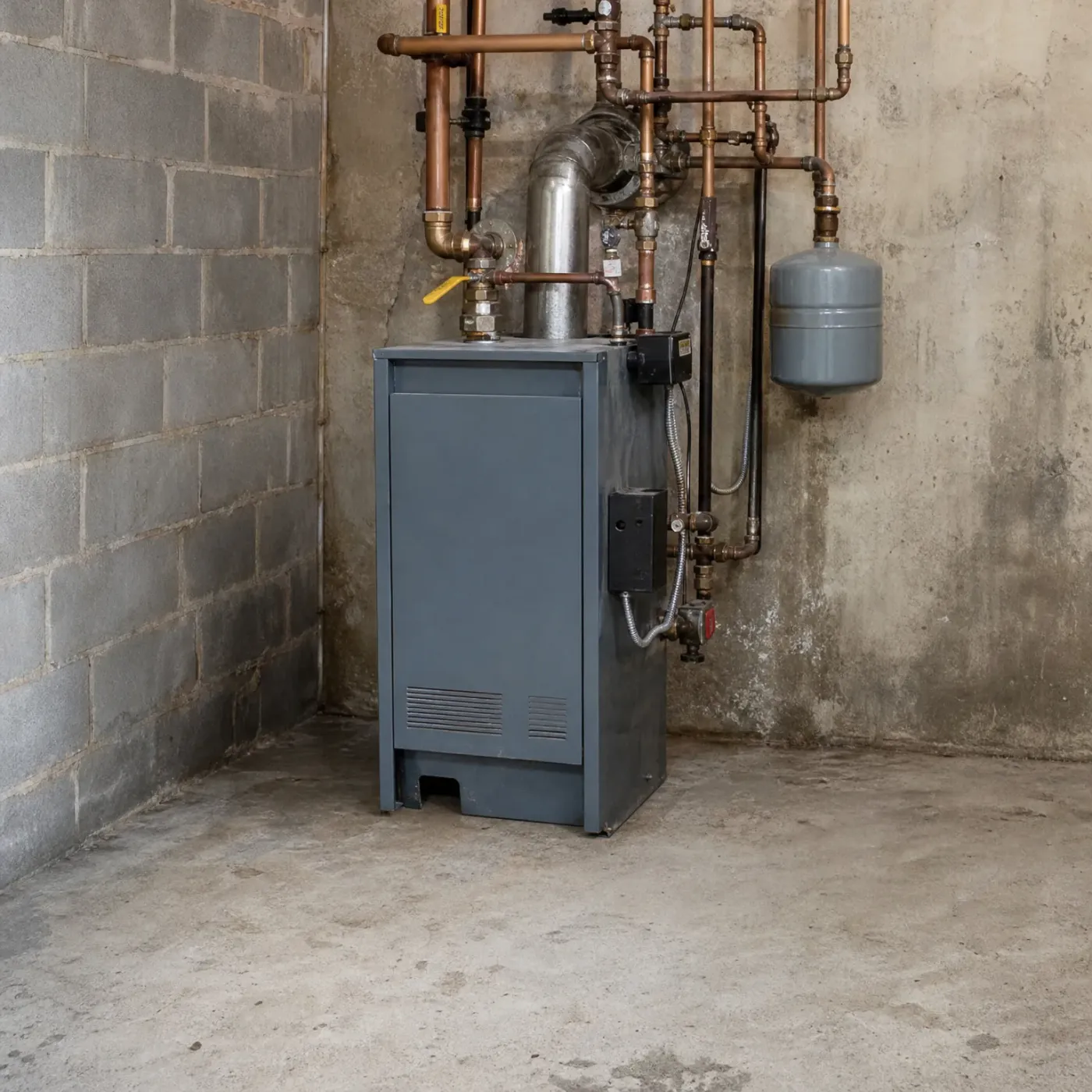
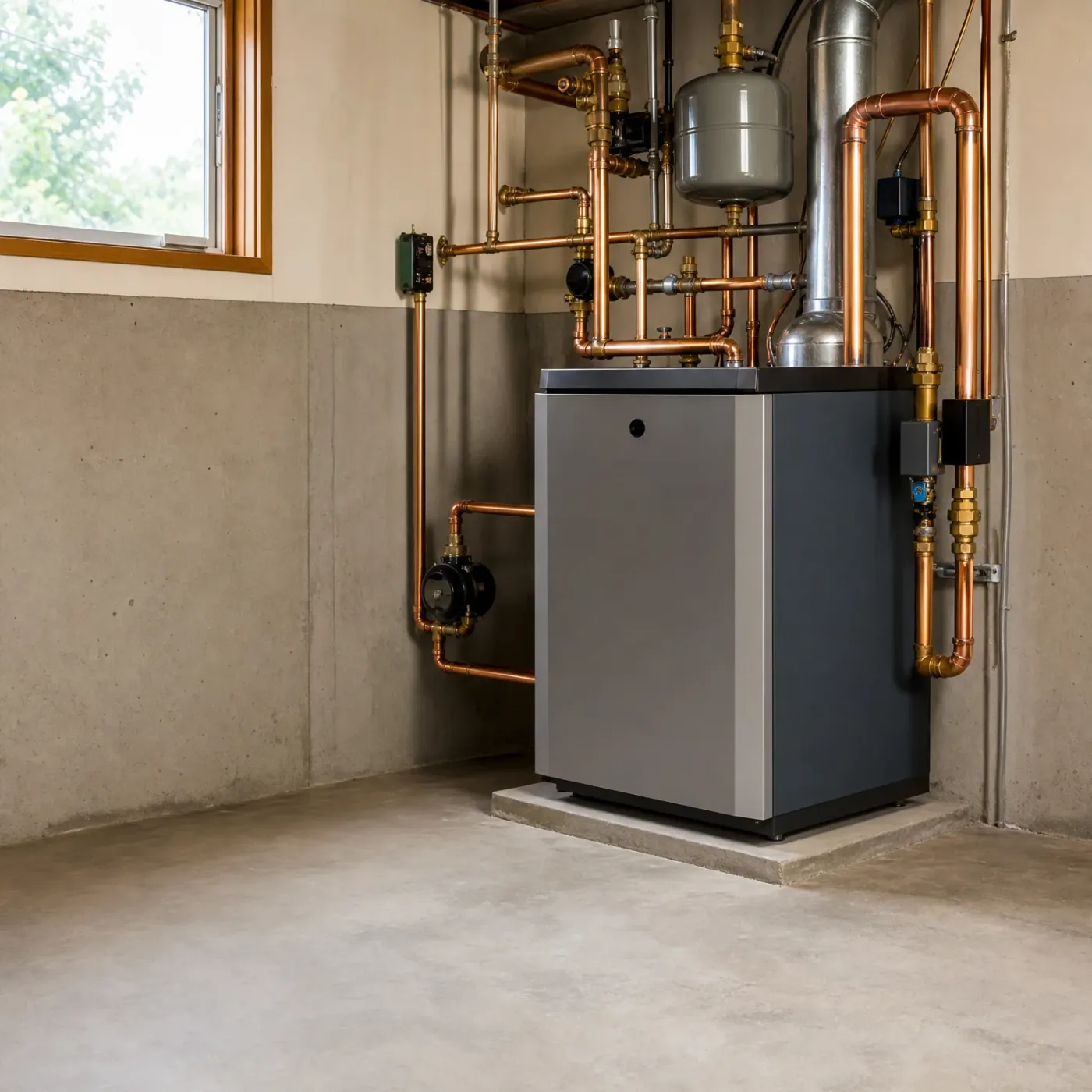
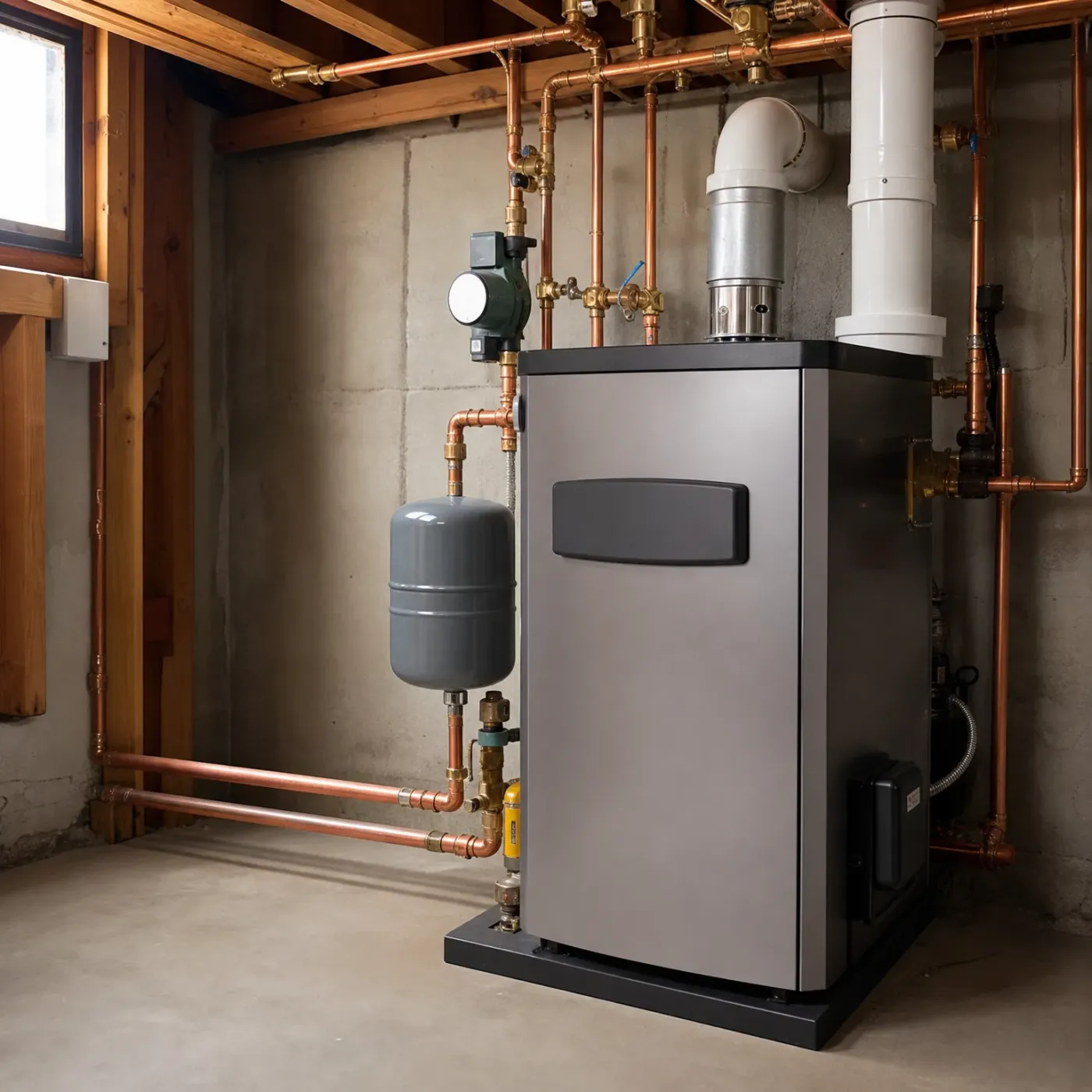
A boiler system is sealed, which is the whole problem. Water heats, expands, and circulates through the same closed loop over and over, and any air riding along in that water has to go somewhere. It rises, because air always does, and it settles at the highest point it can find, which is usually the radiator farthest from the boiler or the one upstairs. Once it's there, it sits in the way of the water trying to fill that radiator, and the circulator pump pushing from the boiler room can't force water past it. Most systems are built to handle this through a main air vent near the boiler and sometimes a vent at each radiator, letting air escape automatically as it collects. When one of those vents sticks or a radiator was never fitted with its own, air has no way out and it backs up. Low boiler pressure makes it worse, since water under less pressure releases air more easily as it heats. A waterlogged expansion tank adds to it too, feeding air into the loop instead of pulling it out.
How Air Gets Trapped Inside
- A boiler is a closed loop, so trapped air has nowhere to go until a bleed valve or an automatic air vent lets it out.
- The circulator pump pushes water through the loop, and a pocket of air at a radiator can stall that flow right at the radiator's inlet.
- Many systems have a main air vent near the boiler itself, and if that vent sticks shut, air backs up into the radiators one by one.
- A radiator fed from the bottom with no air vent of its own depends entirely on the system's automatic vents to clear itself.
- Low water pressure in the boiler lets more air come out of the water as it heats, which feeds the same problem again after bleeding.
- An expansion tank that's lost its air cushion will waterlog, and that pushes extra air into the loop instead of absorbing it.


Winter nights average 32°F statewide
At 32°F overnight, your boiler is pushing water through that loop most of the night, not just a few cold snaps. A radiator with trapped air stays cold through all of it, and the room it heats never catches up by morning.
NOAA nClimDiv 1991-2020 county normals weighted by homes
One Cold Radiator, One Call
- A cold radiator with the rest of the house warm almost always means trapped air, not a failing boiler.
- Bleeding the valve is the fix most homeowners can check themselves before calling anyone.
- If bleeding doesn't bring heat back, the problem sits deeper in the loop, at the circulator pump or an automatic air vent.
- A contractor who services boilers all winter in Arkansas has seen this exact pattern of one cold radiator many times over.
- You get matched with one licensed local contractor, so you're not fielding calls from several companies about the same radiator.
- Catching this now, while it's one cold radiator, keeps it from turning into a bigger repair on the whole loop.
A radiator that won't heat up while the rest of the house is warm is almost never the boiler failing. It's air sitting where the water needs to be. Most of the time, a radiator key and a few minutes at the bleed valve settles it. Water pushes the air out, the valve gets closed again once water starts to dribble, and the radiator fills and heats like the rest.
When bleeding doesn't bring it back, the air is getting trapped somewhere bleeding can't reach, at the circulator pump or an automatic air vent further back in the loop. That's a boiler repair, not a weekend fix, and it's worth having someone look at the loop itself rather than guessing at it one radiator at a time.
A contractor who works on boilers through an Arkansas winter has seen this exact complaint plenty of times: one radiator cold, the rest fine, the homeowner already tried the key. That's not a mystery call for someone who does this work every season. It's a pattern they know how to check for.
You'll get matched with one licensed, local contractor for this, not a handful of companies competing for the same job. One call, one person who knows the loop they're walking into. Catching a single cold radiator now is a smaller job than waiting until the air works its way further into the system.
A boiler pro near you
Only one pro gets your request, so you hear from one company.