Pressure where it should be
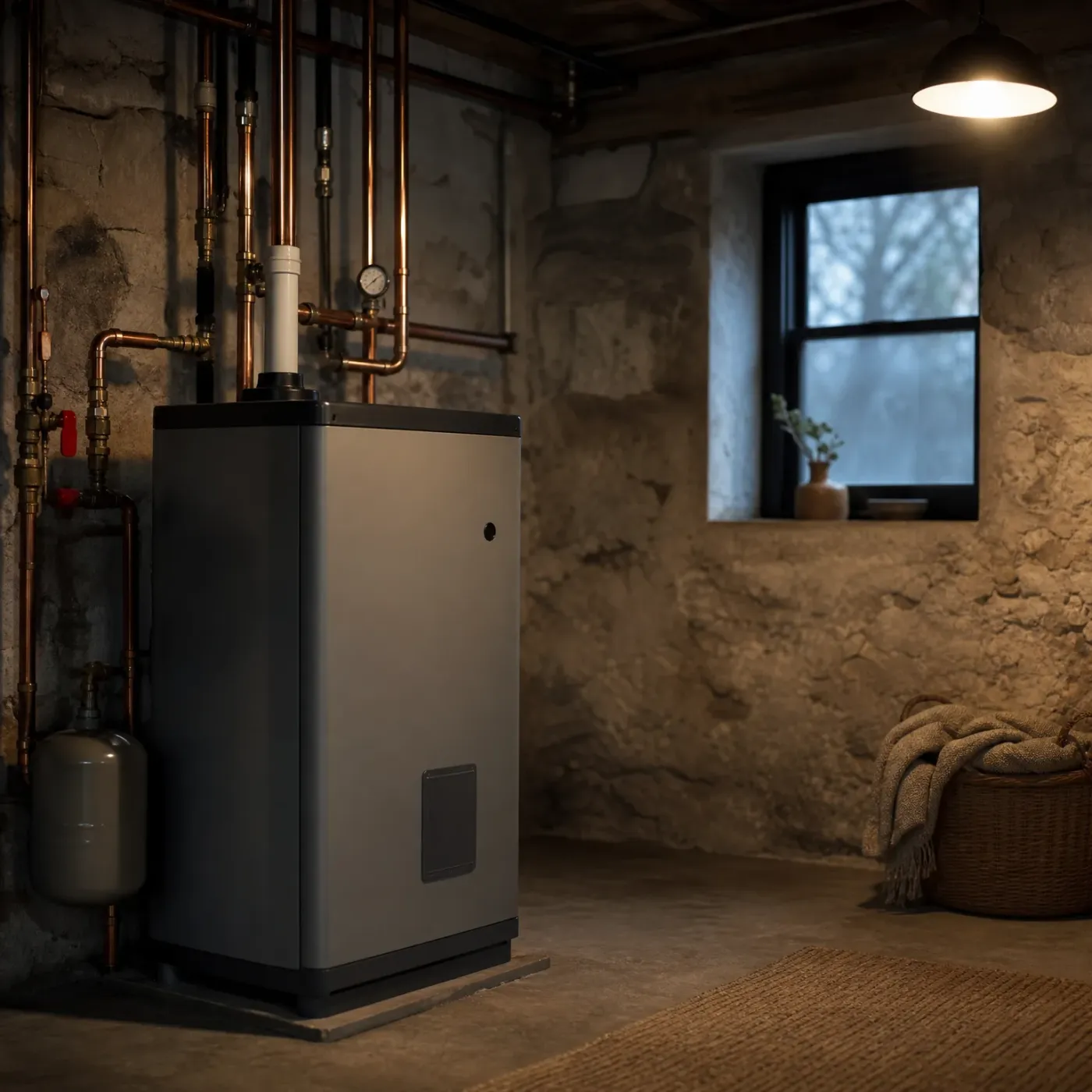
Pipes and fittings are tight, the expansion tank is doing its job, and the gauge sits where it should. No drip at the valve, no puddle on the floor. The system is moving water, not losing it.
Get your boiler to the right pro
A boiler with gas or water dripping from the relief valve is telling you something about pressure or temperature inside the system, not the valve itself. This page walks through what causes that and what it means for a boiler in an Arkansas home. Once you know what's going on, send your details and a contractor who works on boilers nearby will reach out.
Find my proA leaking relief valve means pressure or temperature inside the boiler is going above what the valve is set to handle, so it opens and lets water out to protect the system from building up more than it can take. Most often the cause is pressure that has crept up from an overfilled system or a faulty fill valve, or water that is running hotter than it should because of a bad aquastat or a failing expansion tank that can no longer absorb the extra volume as the water heats. The valve itself is usually fine. It is doing its job. But a valve that keeps dripping after it closes, or one that is leaking steadily rather than just during a pressure spike, means the part causing the pressure or heat problem needs attention before it gets worse. Left alone, that strain can wear out the valve itself or stress other parts of the system.
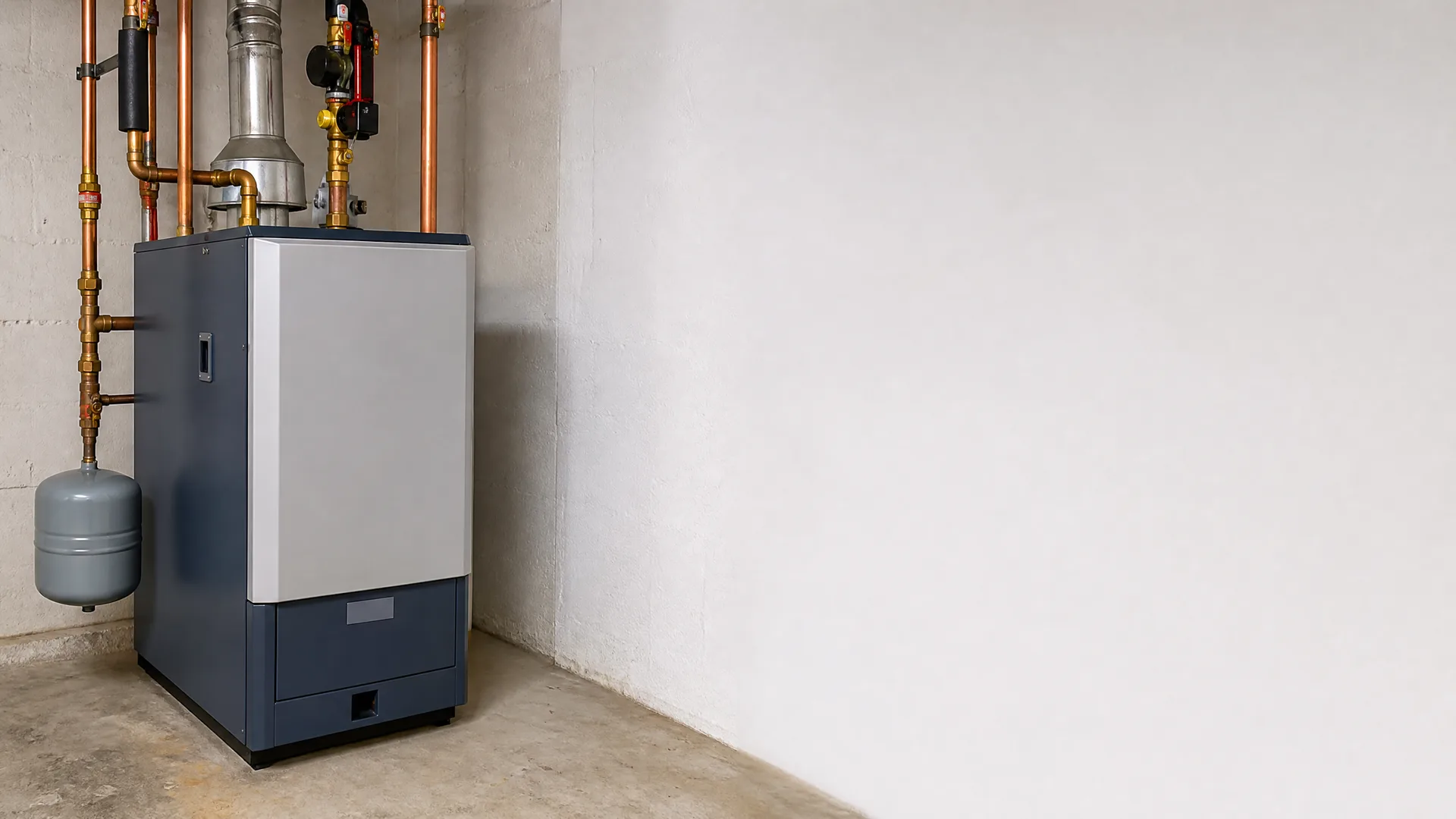
Most homes in Arkansas heat with electricity, so a boiler in the house is usually carrying a smaller part of the load, but it still fills and heats the same way. As water heats, it expands, and the expansion tank absorbs that extra volume. If the tank has lost its air charge or the fill valve is letting in more water than it should, pressure climbs past the relief valve's setting, typically around 30 psi, and it opens.
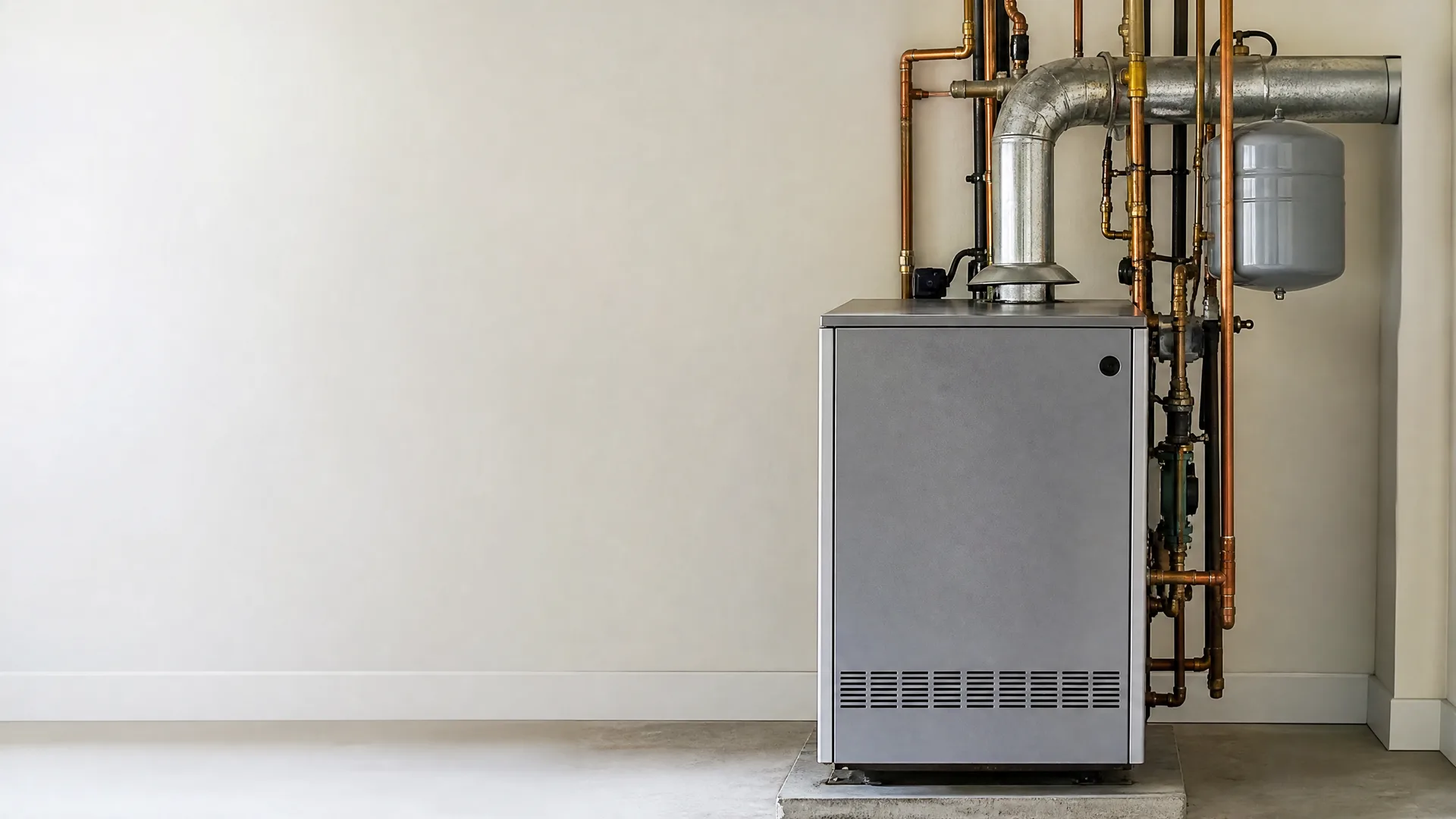
The relief valve has no role in heating the water or moving it through the system. Its only function is to open when pressure or temperature crosses a set point and close again once conditions drop back down. A valve that drips after it closes, rather than staying shut, usually means the seat has worn or debris is sitting on it, which keeps it from sealing fully even at normal pressure.

A relief valve that drips once and stops after a cold snap is one thing. One that keeps dripping, or starts leaving a puddle on the floor near the boiler, is telling you the pressure is staying high instead of settling back down. Left alone, that water finds the nearest metal and starts rusting it, and a valve that's been seeping for a while can corrode to the point where it won't reseat and reads as a steady drip even at normal pressure.
If you've caught this before it turned into a bigger repair, you already know the value of looking into it now rather than later. Checking your pressure gauge and the area around the valve tells you how far along this is, but pinning down whether it's the valve itself, the expansion tank, or something upstream takes a hand on the actual system. Submitting the form here hands that part off. A contractor who works on boilers in Arkansas homes gets your information and reaches out, so you're not the one tracking down who's available and who knows this equipment.

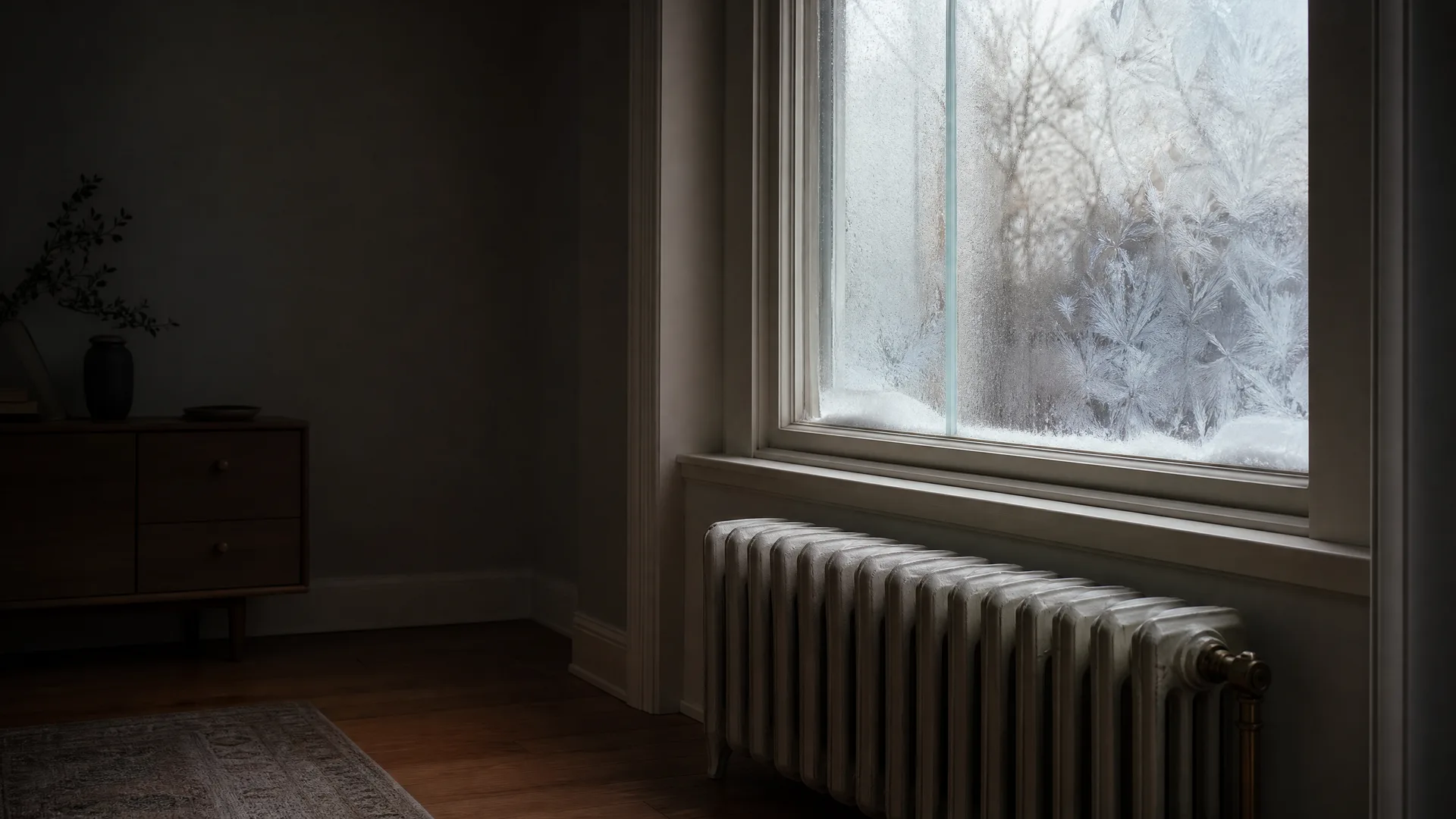
You're down in the room where the boiler sits, half awake, because you heard it before you saw it. It's a January morning and the radiator under the window has ice tracing the inside of the glass behind it. You crouch by the boiler and see the puddle first, then follow it up to the relief valve, still letting out a slow drip. The floor around the base is wet enough that you step around it. You stand there a second, listening to it tick, trying to decide if this is something that waits until Monday or something that doesn't. You already know which one it is.
A boiler that keeps weeping at the relief valve is not a problem that waits for a slow week. Left alone, the pressure or heat behind that drip stays high, and the drip can turn into a steadier leak or worse, strain on the tank itself. You already know what Arkansas winters ask of a heating system, and a boiler losing water is working against itself at the same time. Figuring out whether the cause is the expansion tank, the pressure setting, or something else in the system takes someone who can look at it in person. You don't need to work out which one it is before asking for help. Send the request and the job of tracking down the cause, and fixing it, moves off your plate and onto someone who does this for a living. That puddle by the boiler doesn't have to be yours to solve alone.
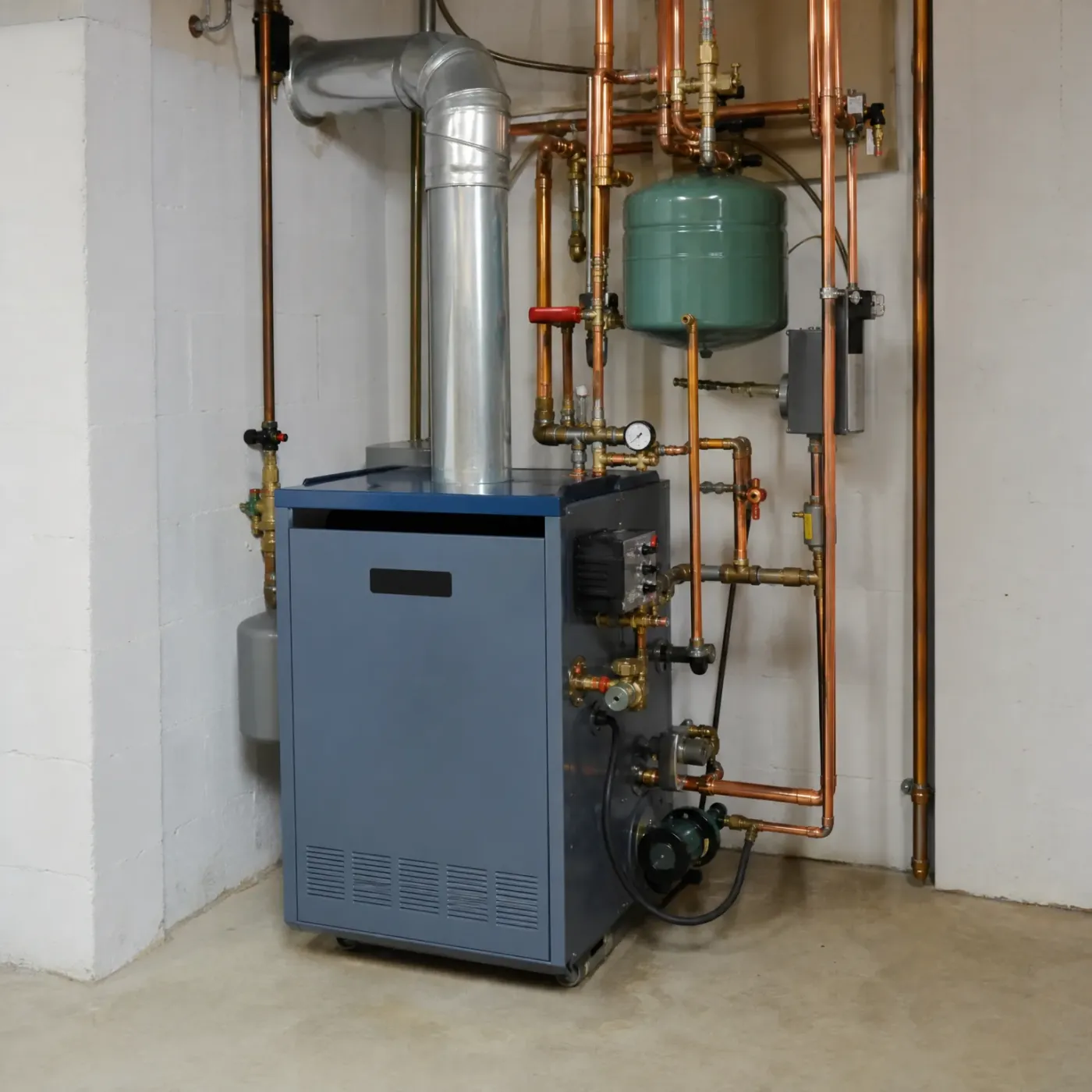
Pipes and fittings are tight, the expansion tank is doing its job, and the gauge sits where it should. No drip at the valve, no puddle on the floor. The system is moving water, not losing it.
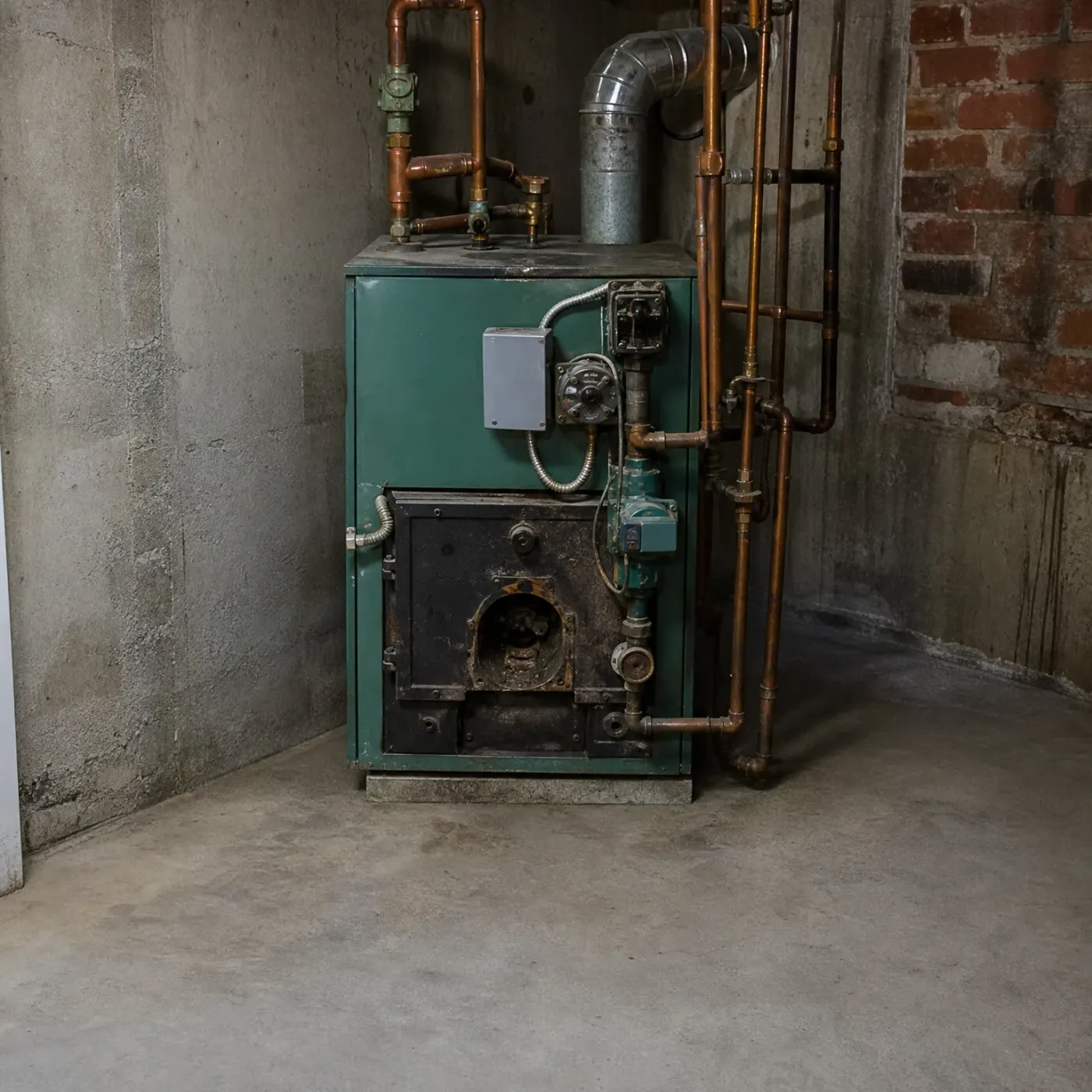
Corrosion like this around the firebox door is a sign the boiler has been under strain for a while. A relief valve on a system in this shape has more to protect against, and more reason to open.




A leak that stops once the boiler cools down is the valve doing its job during a normal pressure spike. Catch it, note it, keep an eye on the next cycle.
A leak that keeps coming back, cycle after cycle, means something upstream isn't holding. The valve isn't the problem; it's just the part telling you about one.
On a night in the low 30s, your boiler is cycling on and off for hours to hold the house steady. Each cycle adds heat and pressure, and the relief valve is what keeps that pressure from climbing past what the system can take.
NOAA nClimDiv 1991-2020 county normals weighted by homes
Water heats in the boiler and expands in volume
The expansion tank absorbs that extra volume
A waterlogged tank can't absorb it, so pressure climbs
The relief valve opens once pressure passes its set limit
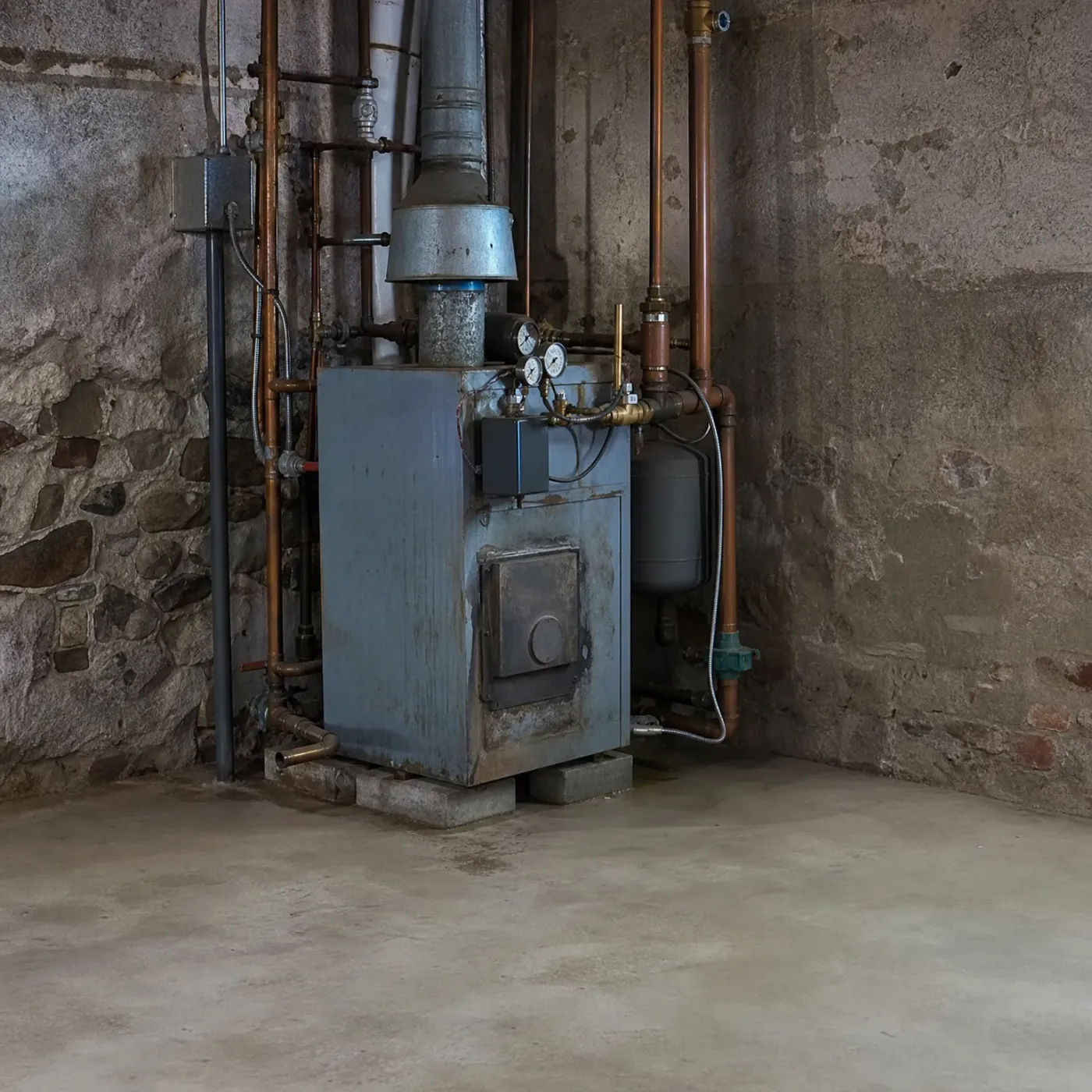
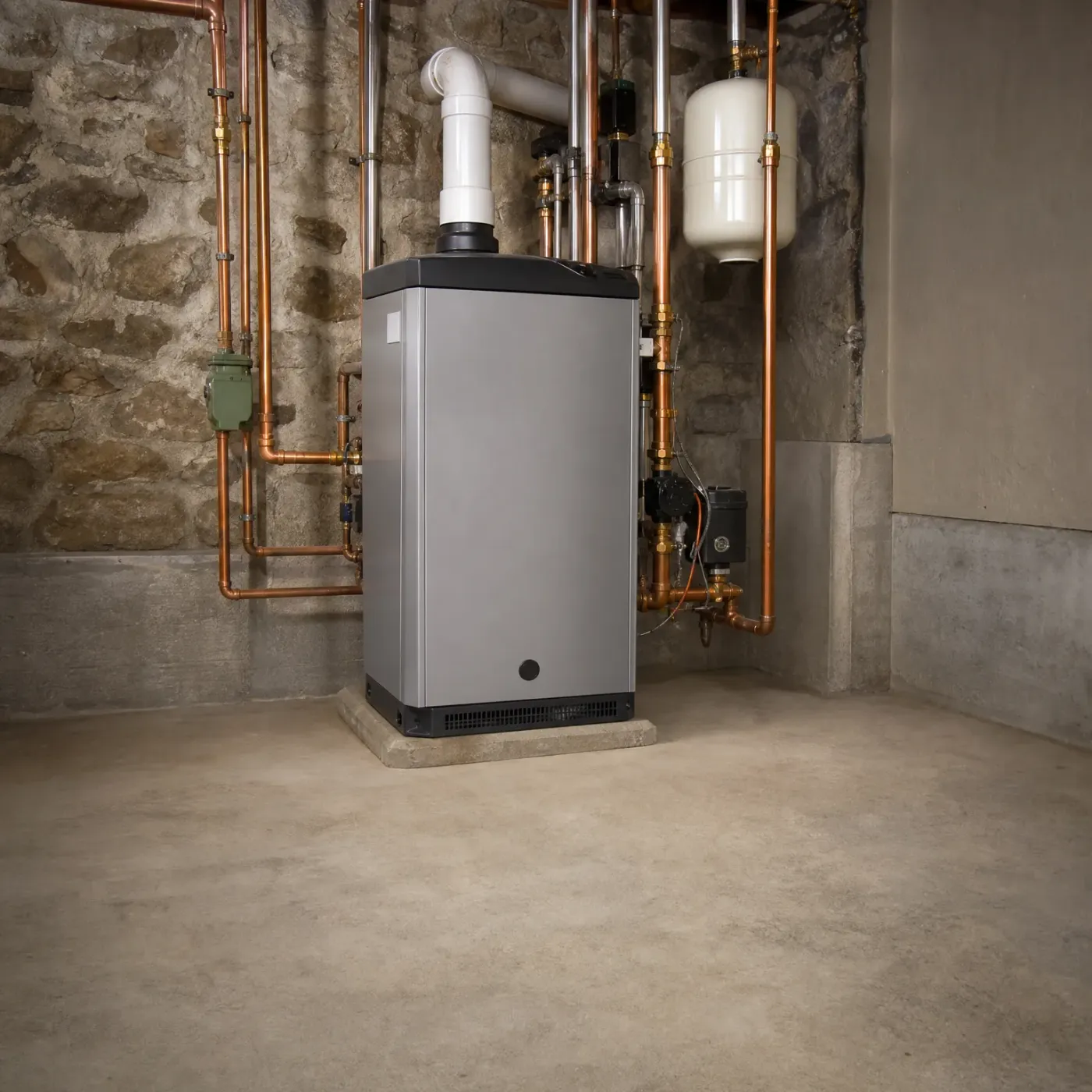
A relief valve only opens because something inside the boiler pushed past its limit. Most of the time that something is a waterlogged expansion tank, no longer able to absorb the extra volume as water heats and expands, so the pressure has nowhere to go but out through the valve. Cold weather makes this worse. On a hard winter night, your boiler cycles on and off for hours to keep the house warm, and each cycle adds another round of heat and pressure to a system that may already be running high. A valve that drips once, after a cold snap, and goes quiet again is doing exactly what it's built to do. That is not the case to worry about. The one worth paying attention to is the drip that keeps showing up, cycle after cycle, or the one that leaves a puddle on the floor instead of a few damp drops at the valve. That pattern means the tank or the pressure behind it isn't holding, and the valve is the only thing standing between that and worse strain on the system. You already know how this goes if you've dealt with small problems before. Catching it while it's still just a drip is easier than catching it after the leak has grown or the tank has failed outright. The valve is doing its job either way. What matters now is figuring out which situation you're in.


Matched to your boiler job
After this form, you can stop searching for a boiler pro.