
Why your boiler keeps turning off in Arkansas
A boiler that keeps shutting off is usually telling you something through its safety switches. Most boilers have a low water cutoff, a pressure switch, and a flame sensor, and any one of them will stop the burner the moment something looks wrong, even for a second. Low system pressure is a common cause, often from a small leak somewhere in the loop or a relief valve that is weeping. A dirty flame sensor can make the boiler think the flame went out when it didn't, so it shuts down as a precaution. Short cycling can also come from a thermostat that isn't reading the room right, or from air trapped in the lines. Since most homes in Arkansas heat with electricity, a boiler here is less common, and parts or a technician familiar with yours may take a bit more tracking down. Either way, a boiler that shuts off repeatedly isn't something to just reset and ignore, since it usually means a real fault somewhere in the system.
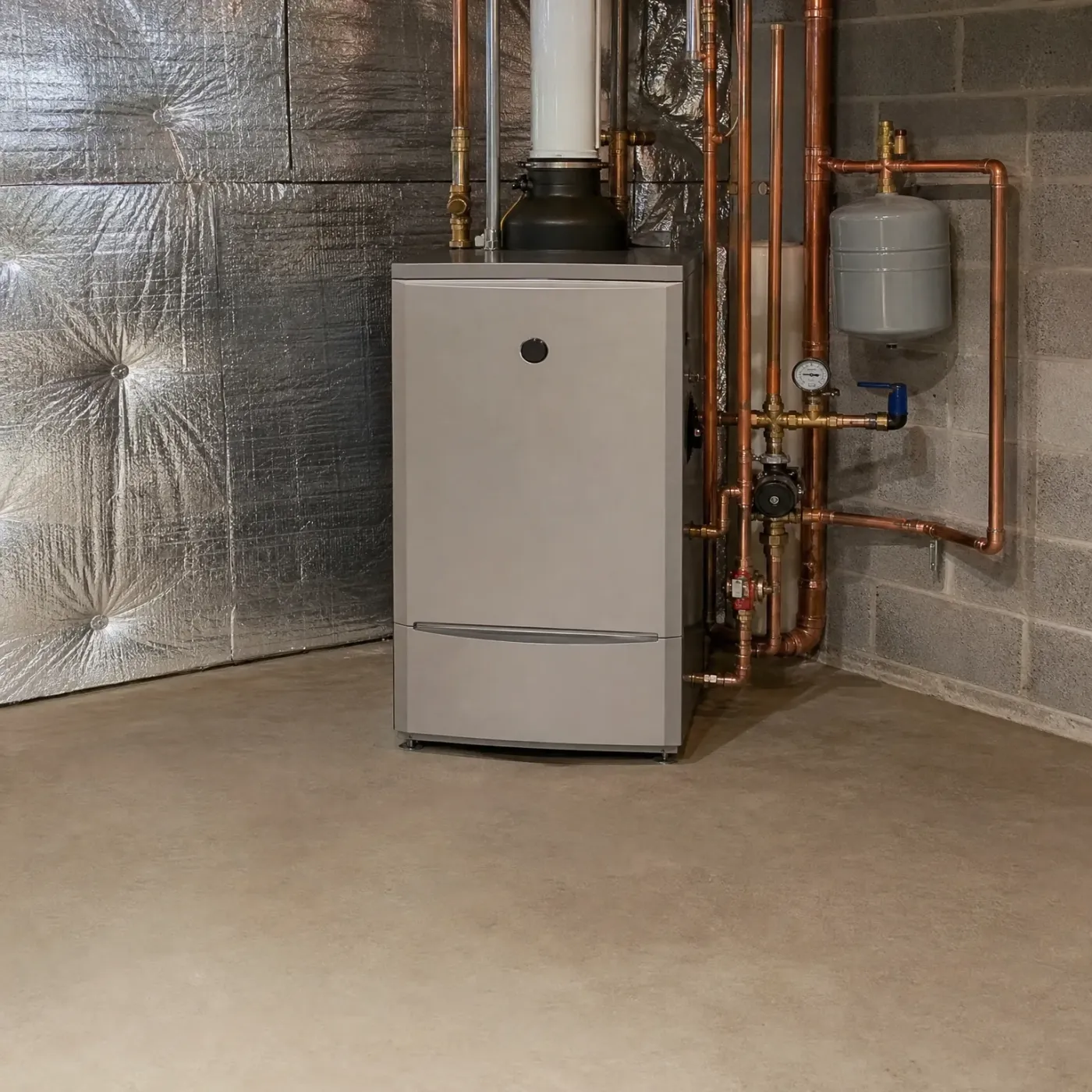
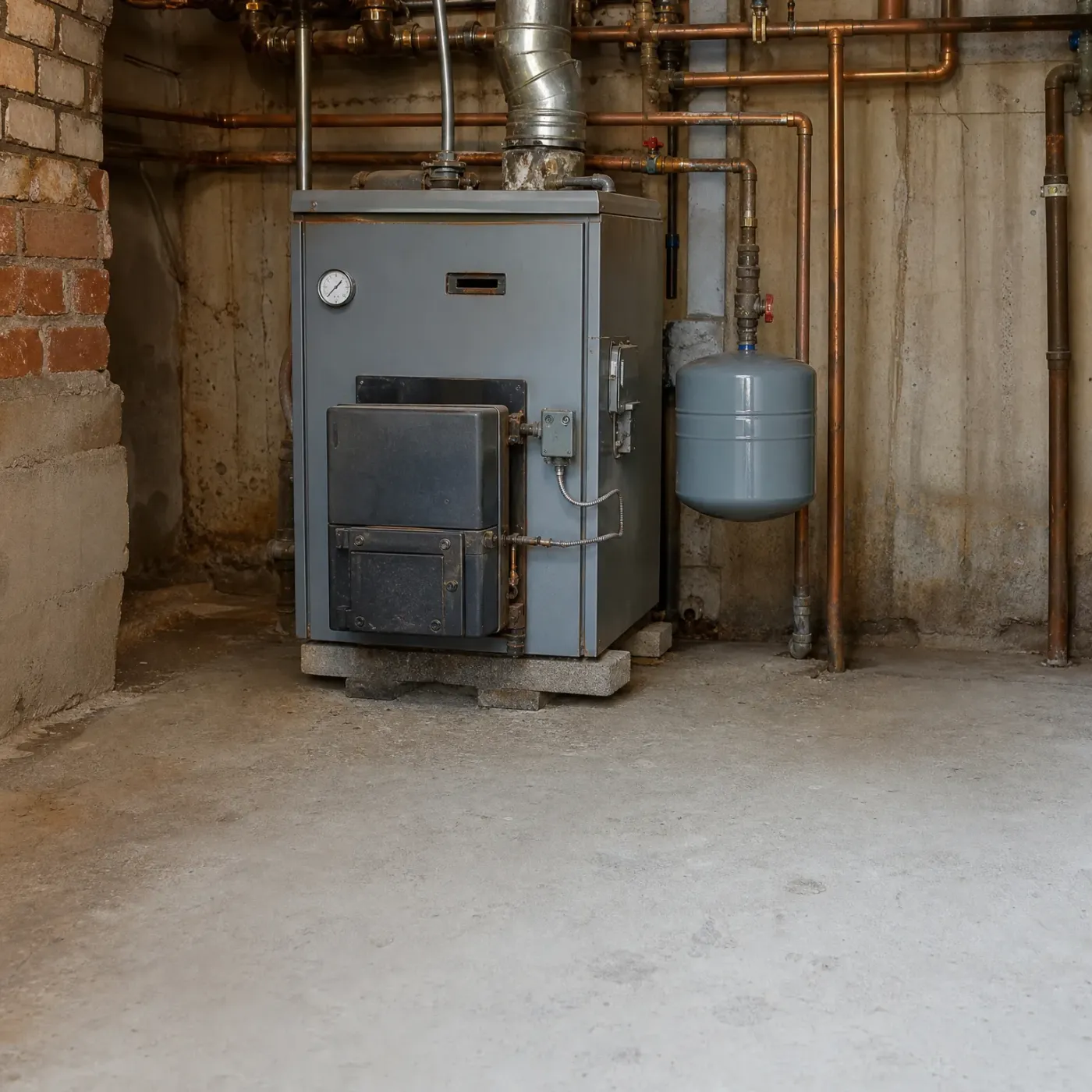
A boiler that shuts off mid-cycle is almost always following its safety logic, not breaking it. Water loss is usually the first domino. A slow leak drops pressure gradually, so the low water cutoff reacts before you'd ever see a puddle on the floor. From there, a pressure switch is supposed to tell the water side from the air side, but a worn auto-feed valve can send it a false reading and shut the burner down for no real reason. The flame sensor adds another layer. It's a thin rod that has to see flame directly, and soot buildup or a weak signal looks the same to it as no flame at all. If ignition fails three times, the module locks out on purpose, since that's its job, not a fault. A circulator pump cycling under load can starve the heat exchanger of flow, which trips the high limit switch next. And in older steel piping, mineral buildup narrows the path water takes, so the pump strains harder and those same switches react faster than they would in clean lines.
What's Actually Tripping the Switch
- Low water cutoffs trip first because a boiler with even a small leak loses pressure slowly, long before anyone notices a puddle.
- A pressure switch reads the difference between the water side and the air side, and a failing auto-feed valve can fool it into shutting down the burner.
- The flame sensor is a thin metal rod that has to see the pilot or main flame directly, and soot or a weak signal reads to it as no flame at all.
- An ignition module that locks out after three failed attempts is doing exactly what it was built to do, not malfunctioning on its own.
- A circulator pump that cycles on and off under load can starve the heat exchanger of flow, which trips the high limit switch.
- Mineral buildup inside old steel piping narrows the path water takes, so the same pump works harder and the switches react sooner.




A local pro for your boiler repair

Your request stays with one local pro.
It costs nothing to send, and you don't have to hire anyone.
What This Costs Your House
- A boiler that shuts off mid-cycle in January leaves a house heated by electric baseboards or a furnace as backup, not warmed at all.
- Each time the burner trips and restarts, it uses more gas or oil to bring the house back to temperature than a full, uninterrupted run would.
- Short-cycling wears the ignition parts and the circulator pump faster, since they're starting up far more often than they should.
- A pressure switch that trips during a cold snap can leave the system down for days if nobody catches it early.
- If the low water cutoff is tripping, there may be a slow leak somewhere in the boiler or the near pipework worth finding.
- A flame sensor that's dirty or failing will shut the burner down repeatedly even though nothing else is actually wrong.
A boiler in Arkansas is usually the main source of heat in the house, and when it won't stay running through a cold snap, the gap shows up fast. Most homes here are set up for electric heat as the backup, whether that's baseboards or a furnace, and electric heat costs more to run than the boiler was supposed to. So a boiler that trips every few hours isn't just failing to heat well, it's pushing part of the load onto a system that costs more to keep the house comfortable. The repeated starts add up in other ways too. Every restart after a trip means the burner is working to bring the house back up from a colder start, which uses more fuel than one steady run would. The circulator pump and the ignition parts take the same beating, cycling on and off far more than they're built for, which shortens how long they last before something actually breaks. Some of these trips point to a real problem working in the background. A low water cutoff that trips now and then can mean a slow leak somewhere in the boiler or the pipework near it, the kind that's easy to miss until the pressure drops enough to shut the system down. A pressure switch or a dirty flame sensor can do the same thing with no leak at all. Either way, the boiler stopping is worth paying attention to before a cold night turns into a cold week.
Winter nights average 32°F statewide
Nights in the 32°F range mean your boiler is firing up often, sometimes several times before morning. Each restart after a safety trip puts more strain on the same switches, so a system already prone to shutting off gets more chances to do it.
NOAA nClimDiv 1991-2020 county normals weighted by homes

A boiler that keeps tripping needs someone who knows which switch is lying
A boiler shutting off mid-cycle isn't broken for no reason. Something in it, the water level, the pressure, the flame, is telling a switch to stop the burner, and that part is doing its job even when the real problem is somewhere else. Finding which one it is, and why, takes someone who has opened up this exact kind of system before.
A local contractor who services boilers all winter has seen which parts fail first in houses like yours and what usually causes it. When you request service through this page, you're matched with one licensed contractor in Arkansas suited to your situation, and that contractor contacts you directly. No crowd of companies calling, just the one who's equipped to look at your boiler and tell you what's actually wrong with it.






Get the right pro for your boiler
Your request goes to one pro, not a list of companies.
No charge to send it. You decide if you hire them.