
Bleed it yourself
You can let the air out of a radiator with a key in a few minutes. It quiets things down for now, but it won't tell you why air or low pressure keeps showing up.
A gurgling boiler usually means there's air trapped in the system, or water pressure that's dropped too low to move water the way it should. Boilers push hot water through pipes and radiators in a closed loop, and when air gets into that loop, it bubbles and knocks as it moves past the pump and through the pipes. It can also mean sediment has built up at the bottom of the tank, which rumbles and pops as the burner heats the water around it. Low pressure often comes from a small leak somewhere in the system, even one too small to see. None of this is something to leave alone. A boiler that keeps running with trapped air or low pressure wears its pump and heat exchanger harder than it should, and that is what keeps the house warm when the rest of the heating is electric.





Most homes around you heat with electricity, so a boiler running on gas or oil lines is already a less common setup for anyone local to look at. The gurgling you're hearing now can turn into cold radiators in one room while another stays warm, or a boiler that shuts itself off mid-cycle. Trapped air and low pressure don't correct themselves. Left alone, the noise is usually the first sign, not the whole problem.
You could start calling around, explaining what you're hearing to one company after another, then stacking up quotes to figure out who actually works on boilers in your area. Or you can skip that part. Answer a few questions about your boiler and your house, and a contractor who services this kind of system reaches out to you directly, already knowing what you called about.

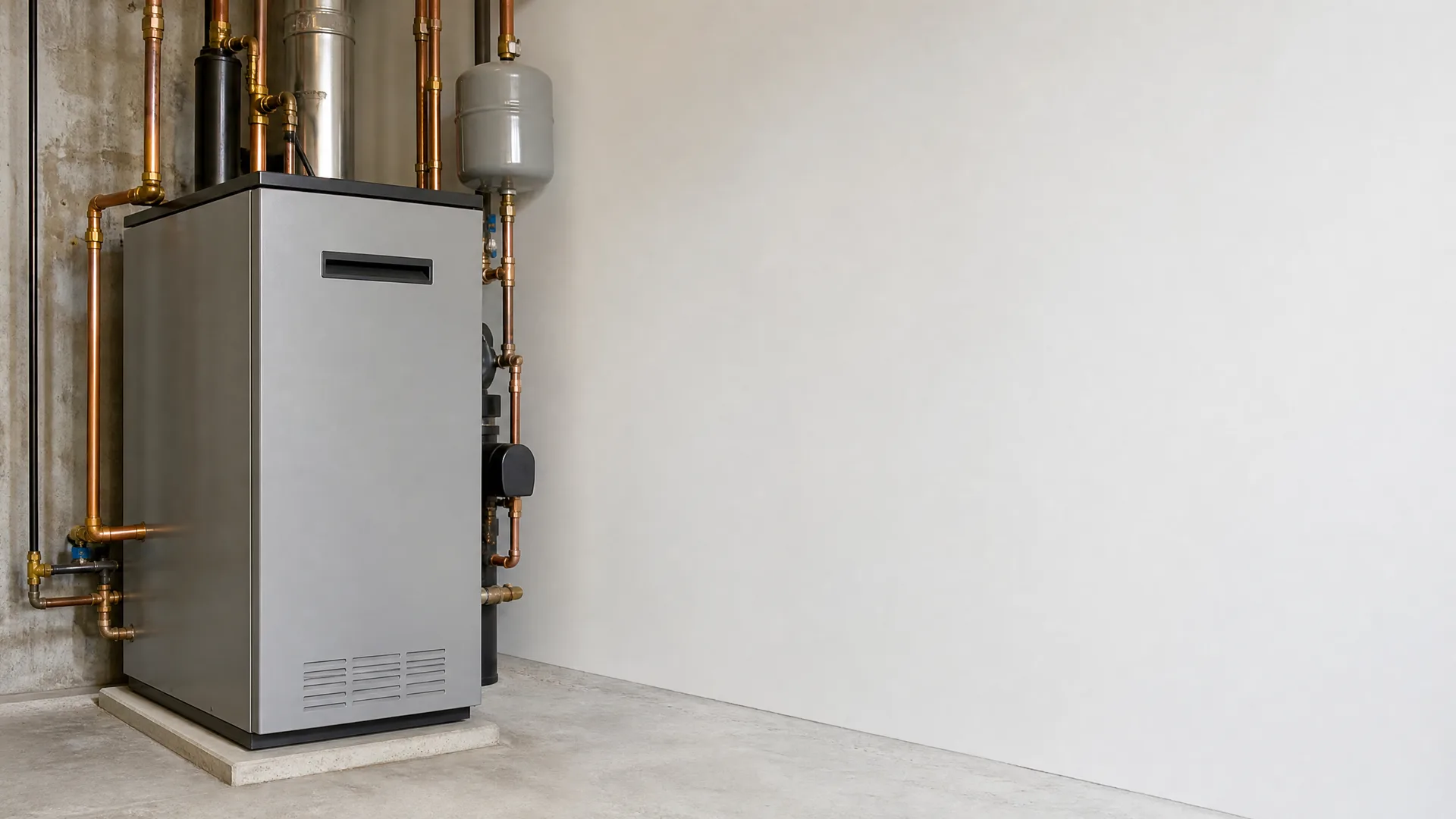
Boiler water pushes through pipes and radiators in a loop, and any air caught in that loop rises to whatever point sits highest, often an upstairs radiator or a fitting near the top floor. That trapped air is what you hear. A bleed valve lets it out and lets the loop fill back up with water, which is why one radiator can run cold while the rest of the house heats fine.
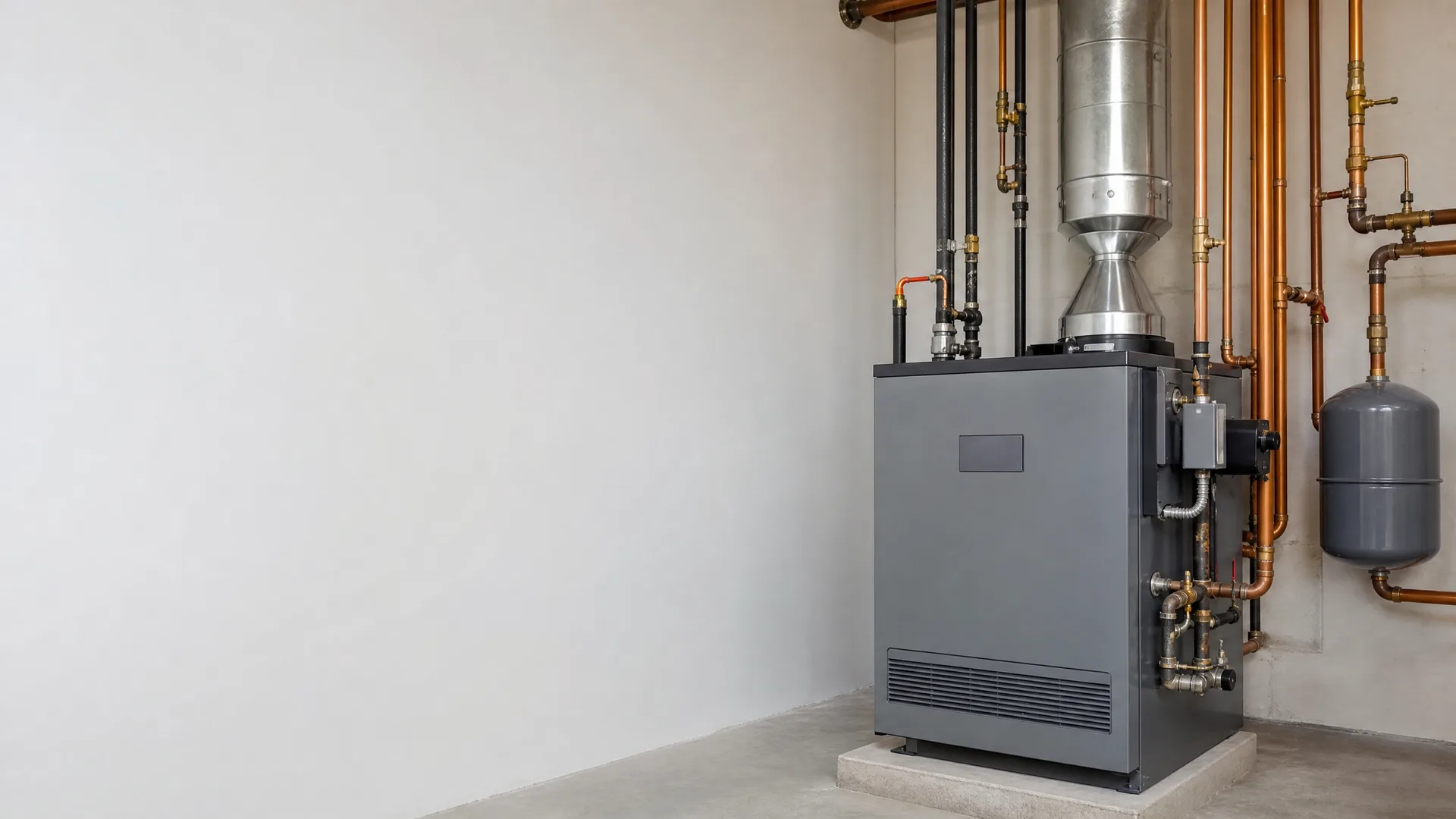
Most residential boilers run somewhere around 12 to 15 psi when the system is cold, and there's a gauge on the unit that shows it. If that needle sits low, water isn't moving through the loop the way it should, and air works its way in where water used to be. A contractor checking the gauge against the feed valve can tell you fast whether pressure is the cause or something else is.
You notice the gurgling isn't worst while the boiler is firing. It's loudest right after it clicks off, when you'd expect things to go quiet. That timing feels backward, and it makes you wonder if the noise is a different problem than the one you've been reading about.
While the boiler runs, the pump keeps water moving fast enough that trapped air gets pushed along with it and stays quiet. The moment the boiler shuts off, that pump stops, and any air pocket is free to drift to the highest point in the loop, usually a radiator or fitting upstairs. That's the gurgle you hear right after shutdown. It's also why the sound can seem worse at night, once the boiler has cycled off and the house has gone quiet enough to notice it. Low water pressure does the same thing in reverse, letting air separate out once flow slows down. Either way, a contractor bleeding the system or checking the pressure gauge can tell you which one it is.


A boiler is already the less common system in your part of Arkansas, with most houses nearby running on electric heat instead. That makes it harder to get someone on the phone who works on these day in and day out, and it's a bigger part of why the gurgling tends to sit for weeks instead of getting checked. You'd normally be calling around, explaining the sound to each one, then waiting to hear who actually services boilers instead of electric furnaces, and sorting through whoever calls back first. That's the part worth handing off, not the repair itself. Air trapped in the loop or low water pressure doesn't get better with time, and a radiator that's cold now can mean a colder room next week. Submitting your information here puts the search in someone else's hands and gets your situation in front of a contractor who already knows this equipment, so you're not the one tracking down who's qualified to look at it.
You can bleed a radiator yourself and buy some quiet for a week or two.
The air keeps coming back because the pressure or the feed valve behind it hasn't been looked at, so the noise does too.
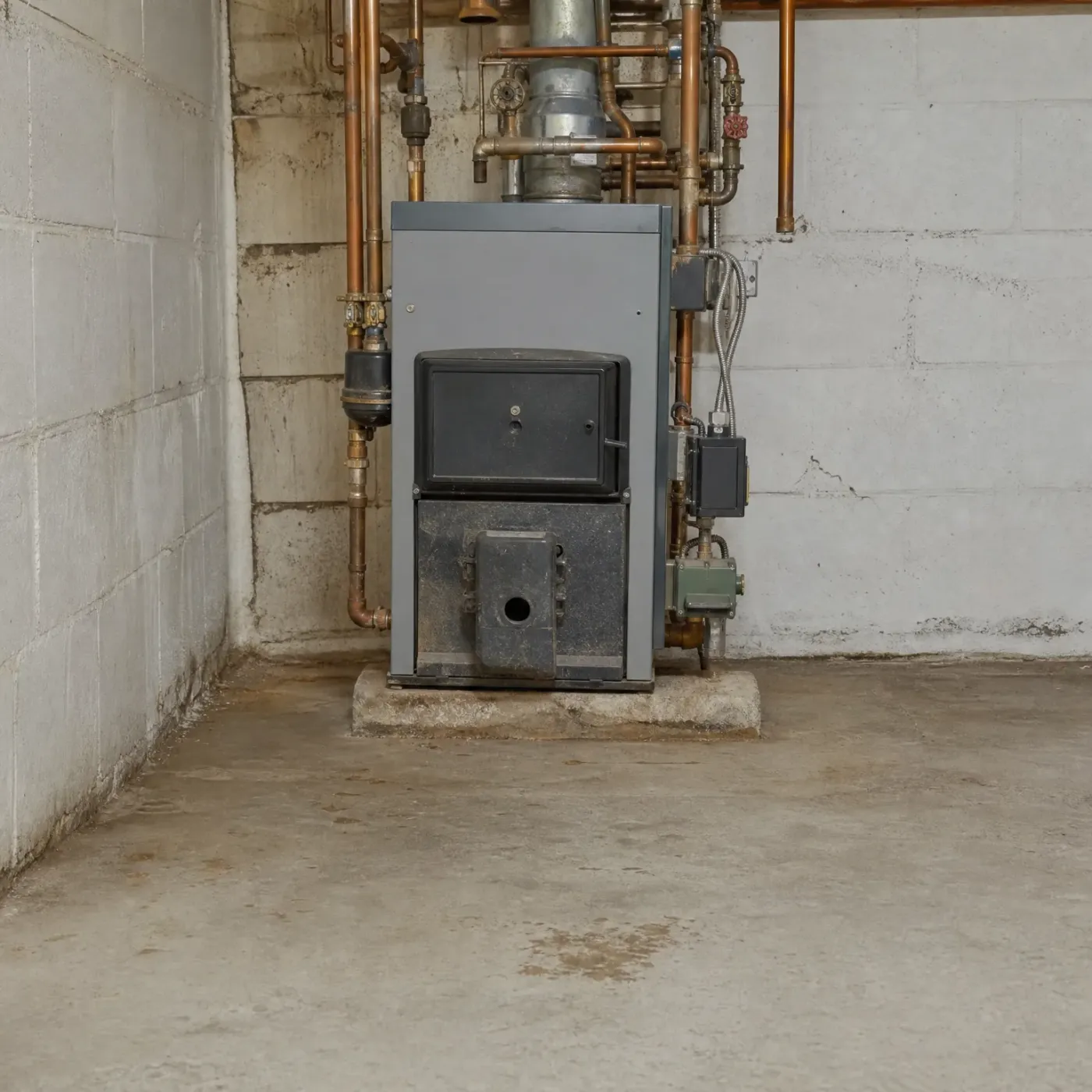
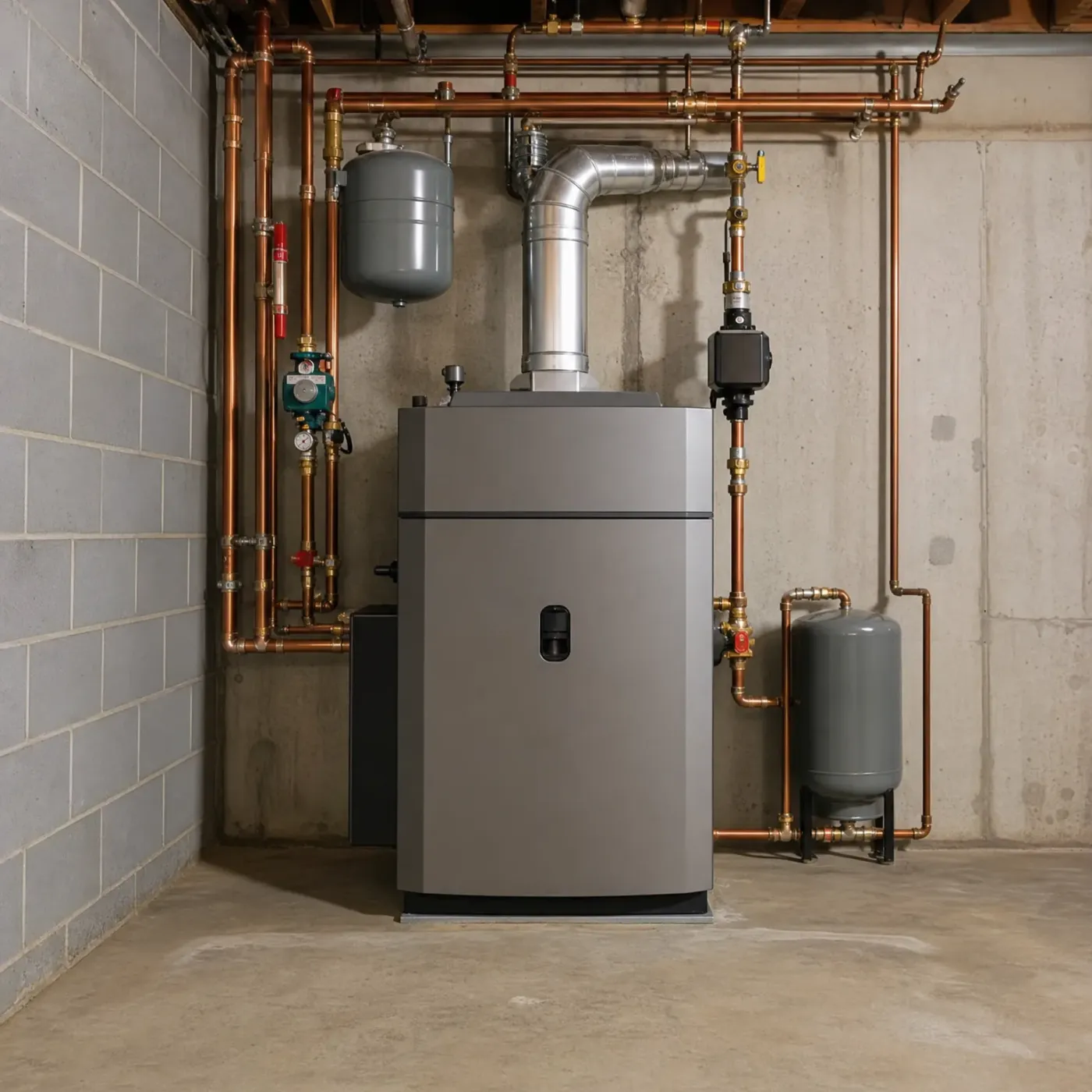
You can let the air out of a radiator with a key in a few minutes. It quiets things down for now, but it won't tell you why air or low pressure keeps showing up.
A contractor who works on boilers checks the feed valve and the pressure behind the noise, instead of you guessing at it room by room.
Those 32°F nights mean your boiler is firing on and off most of the night to keep rooms warm, and every one of those cycles pulls more air and pressure changes through the loop. That's more chances for a gurgle to start.
NOAA nClimDiv 1991-2020 county normals weighted by homes
The gurgle starts with air or pressure, and it keeps starting until something fixes the cause instead of the symptom. Bleeding a radiator buys you a quiet week. It doesn't touch the feed valve or the pressure behind it, so the air finds its way back to that same high point in the loop. Freezing nights make this worse, not better, because a boiler firing on and off all night gives the system more chances to pull air and pressure through the pipes. None of that changes on its own.
What makes this harder where you live is who's around to look at it. Boilers aren't the common setup nearby, electric heat is, so the contractors who know these systems well aren't the first name that comes up when you search. That usually means a few calls before you find someone who actually services boilers rather than just lists it among other work. Then you're explaining the gurgle again, what time it happens, which room, whether it's worse right after the boiler shuts off.
Getting matched with a contractor who handles boiler repair cuts that part out. No list of names to work through, no repeating the same details to each one, no sorting through quotes to figure out who actually knows this equipment. You still need the feed valve and pressure checked. You just don't have to find who's qualified to check it on your own.





One form replaces the calls you'd make to find a boiler pro.
It costs nothing to send, and you don't have to hire anyone.