Running the Way It Should
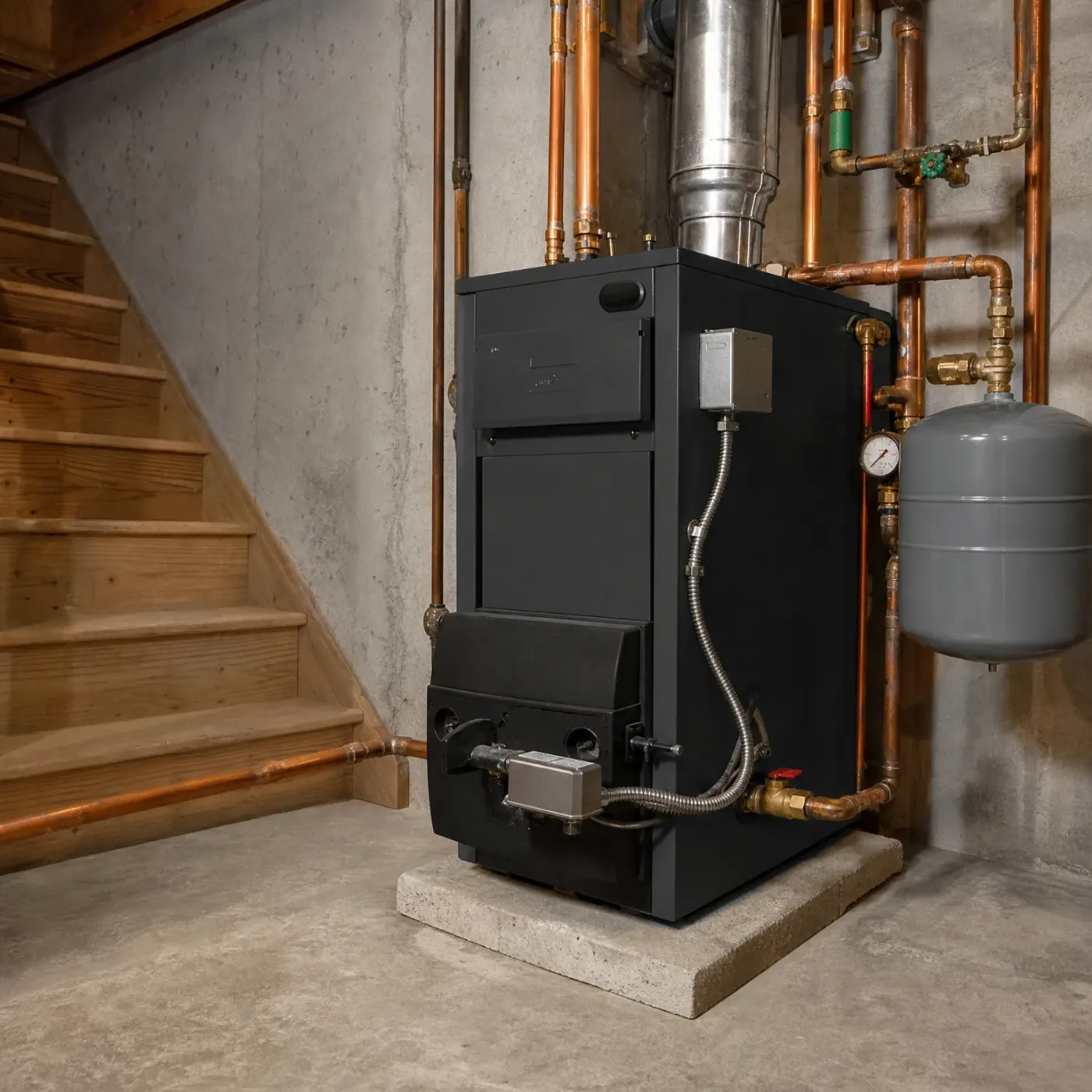
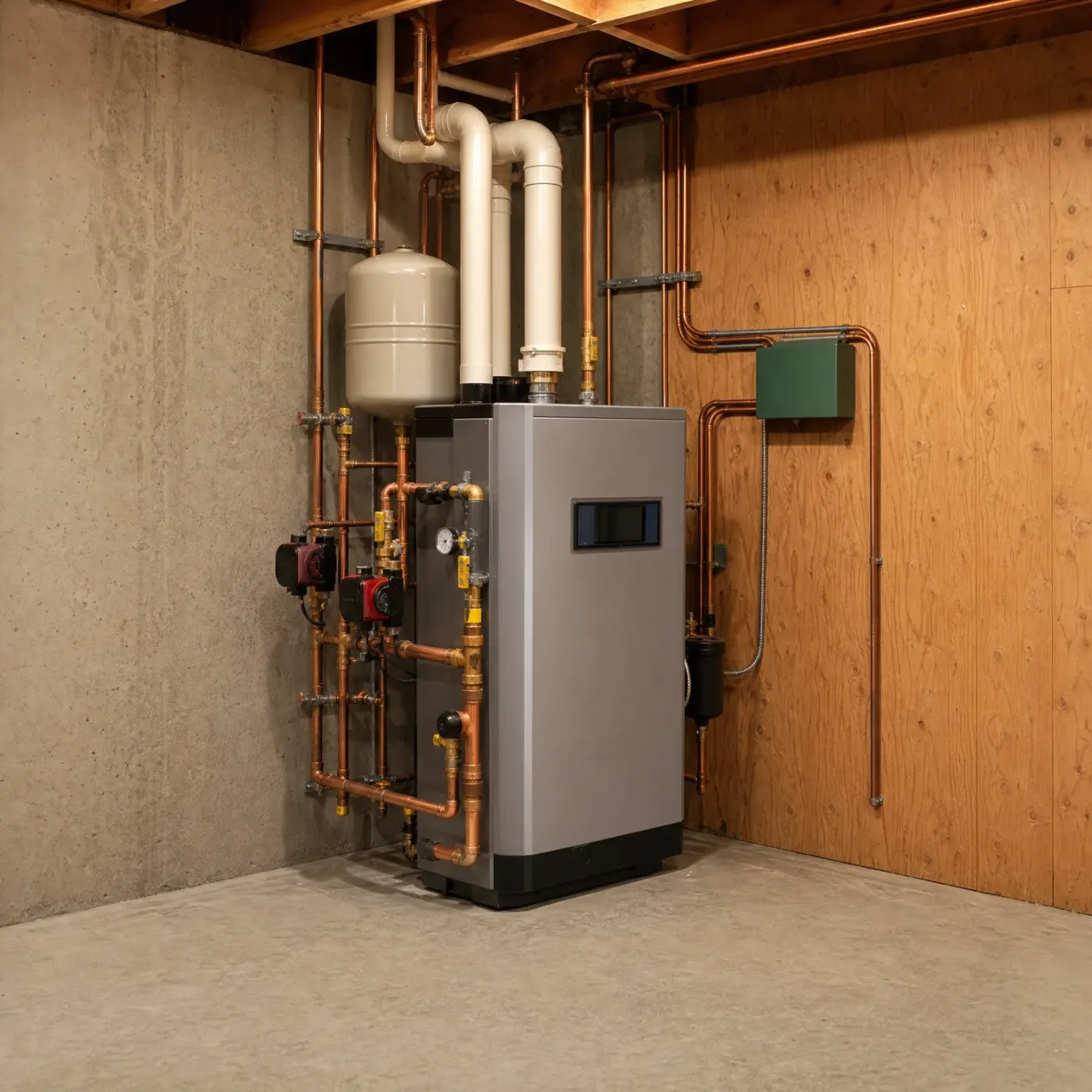
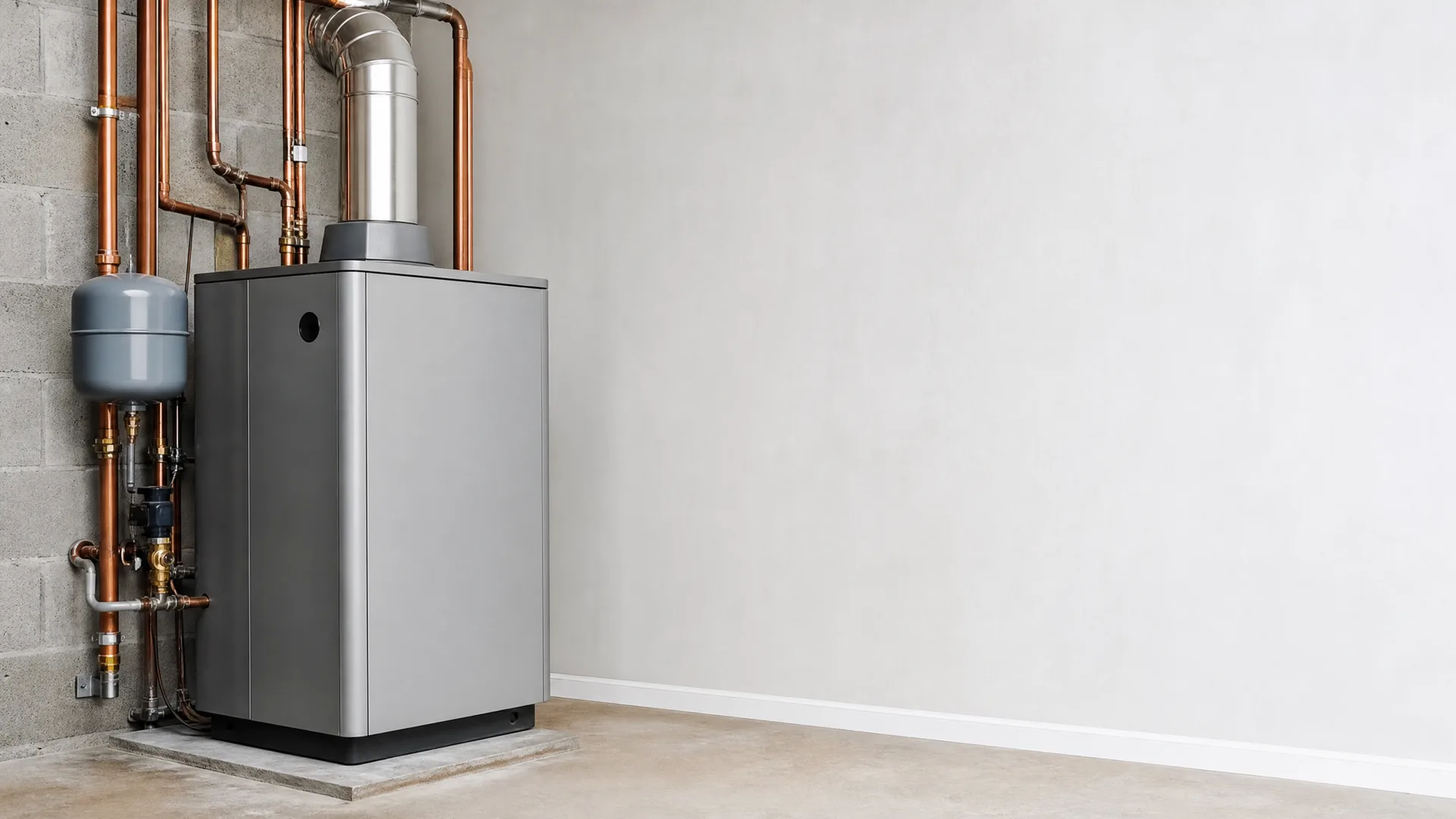
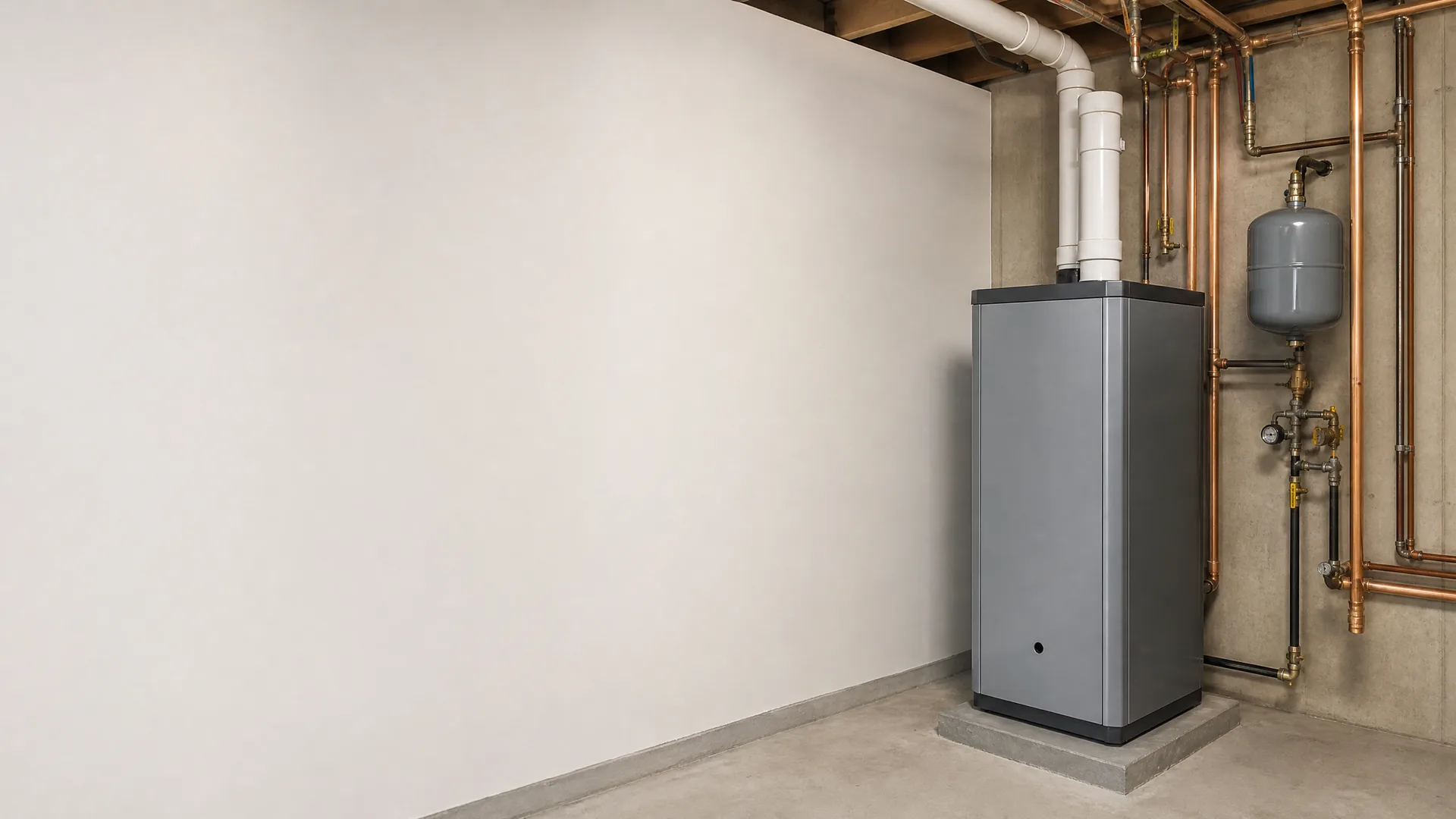
This is a boiler keeping pressure and heat moving the way it's built to. The pump runs quiet, the pipes stay tight, and the expansion tank holds steady. Nothing here is fighting itself to keep your baseboards warm.

Cold water coming out of your baseboard heaters, or none at all, usually points to one of a few places in the system. Most homes in Arkansas heat with electricity, so a boiler and hot water baseboard setup is less common here, which also means parts and service can take more tracking down when something goes wrong. Before anything else, it helps to know what's actually failing.
Baseboard heat runs on hot water pushed through the line by a circulator pump, and it only works if that water keeps moving and reaches full temperature. Air trapped in the line stops the water from circulating past it, which leaves some baseboards warm and others cold. A zone valve stuck shut blocks water from reaching a whole room or floor. A circulator pump that's failed or losing power won't move water at all, so nothing in the house gets heat even if the boiler itself is running fine. Because fewer homes here have boilers, a contractor who knows hot water heat specifically, not just furnaces, makes the diagnosis faster.




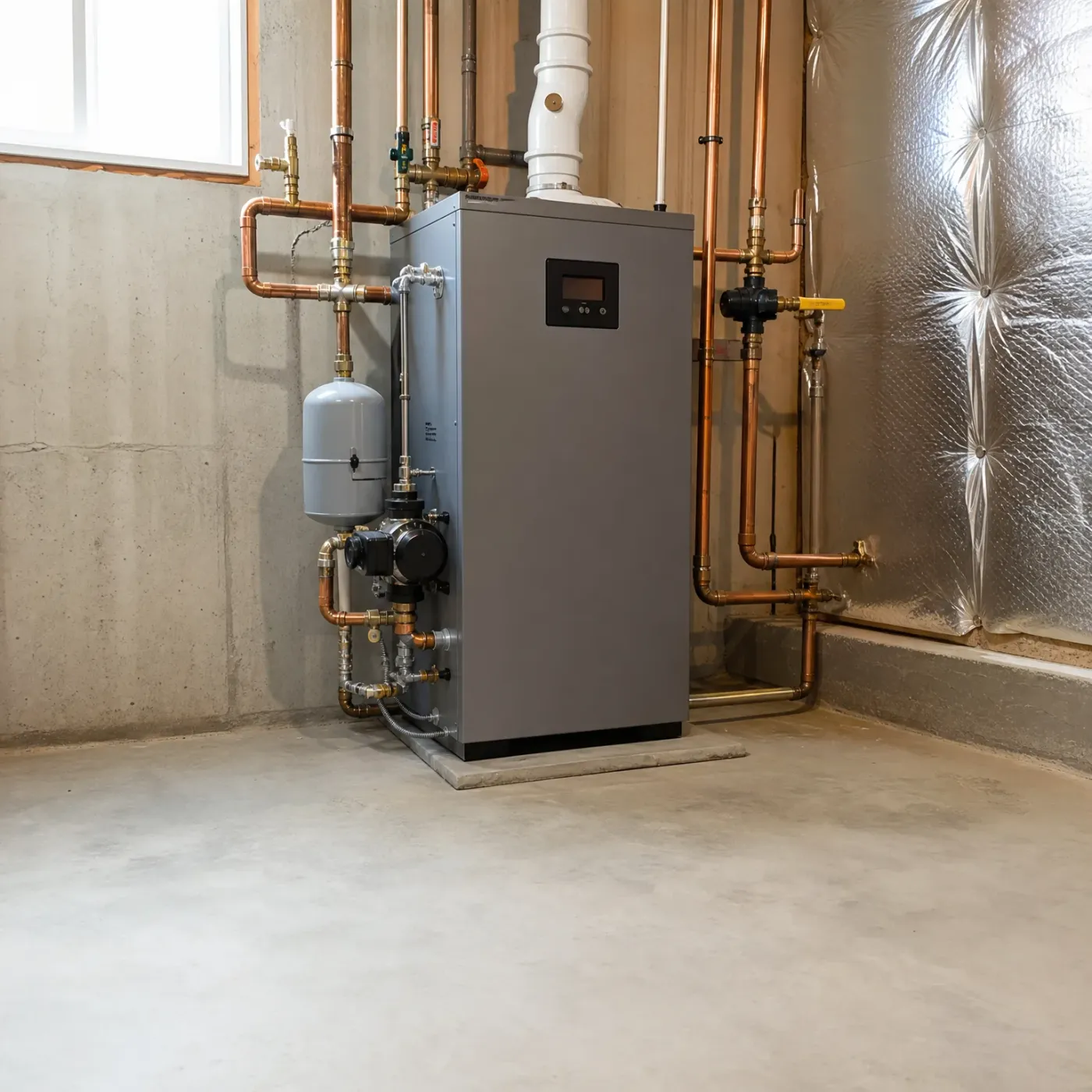
This is a boiler keeping pressure and heat moving the way it's built to. The pump runs quiet, the pipes stay tight, and the expansion tank holds steady. Nothing here is fighting itself to keep your baseboards warm.
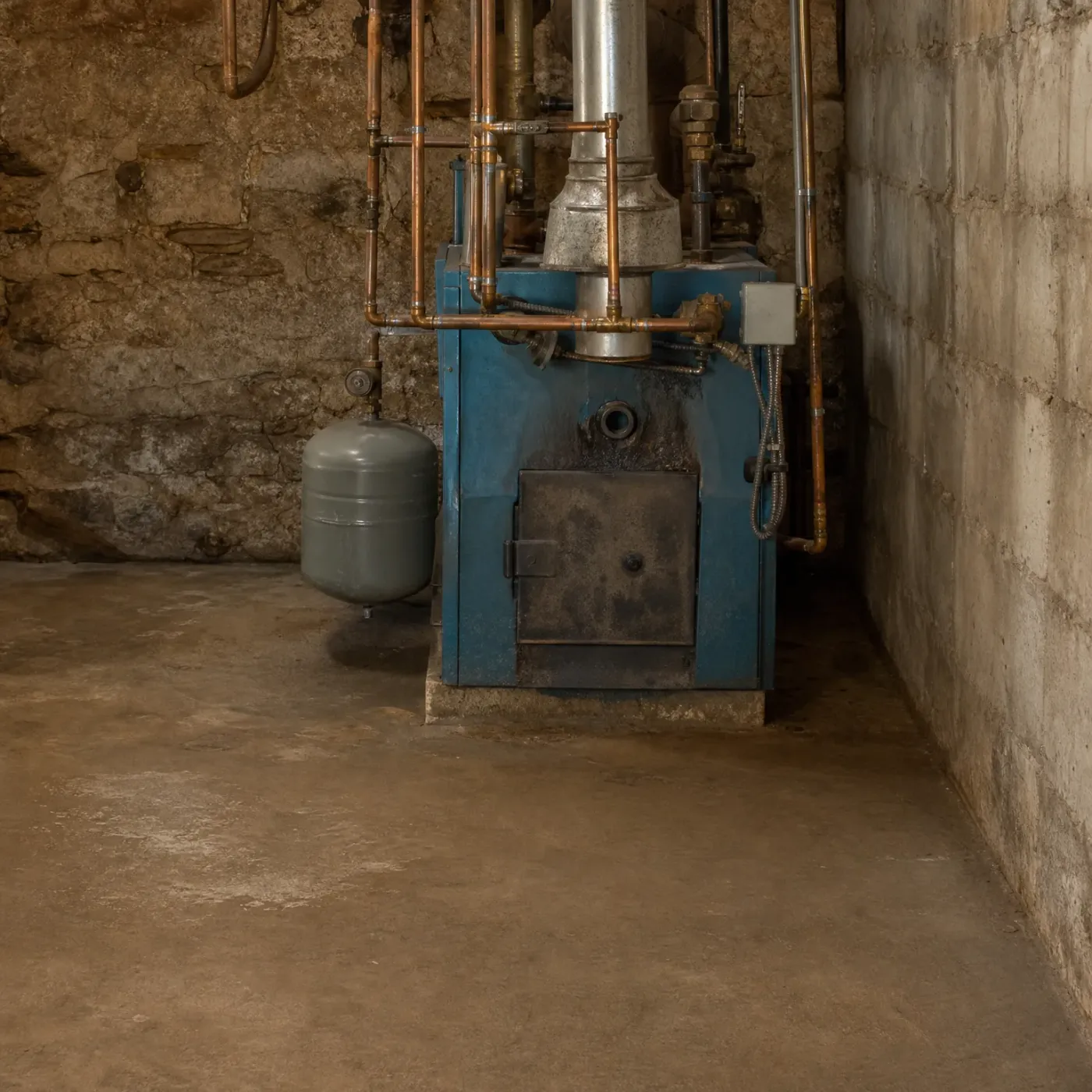
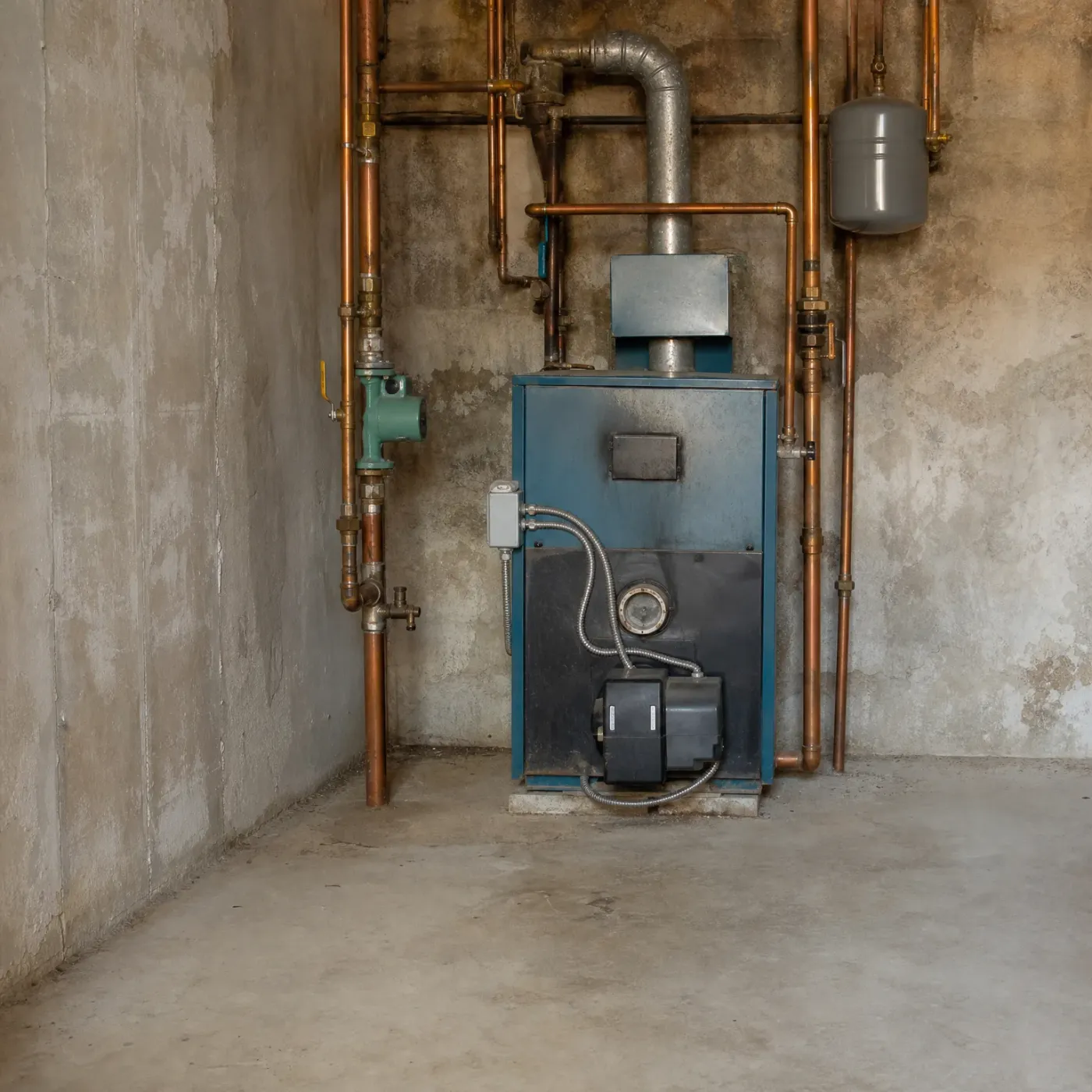
Rust around the access door and an old cast iron shell usually mean the boiler has been working harder than it should for a while. Corrosion like this can open small leaks or throw off the pressure that pushes hot water out to your baseboards.


Finding a boiler contractor who still works on hot water baseboard systems takes time most people don't have when the house is cold. Send one form and skip that search.
Once you send the details, you won't call around, explain the cold zone twice, or sort through quotes on your own. That part is off your plate.
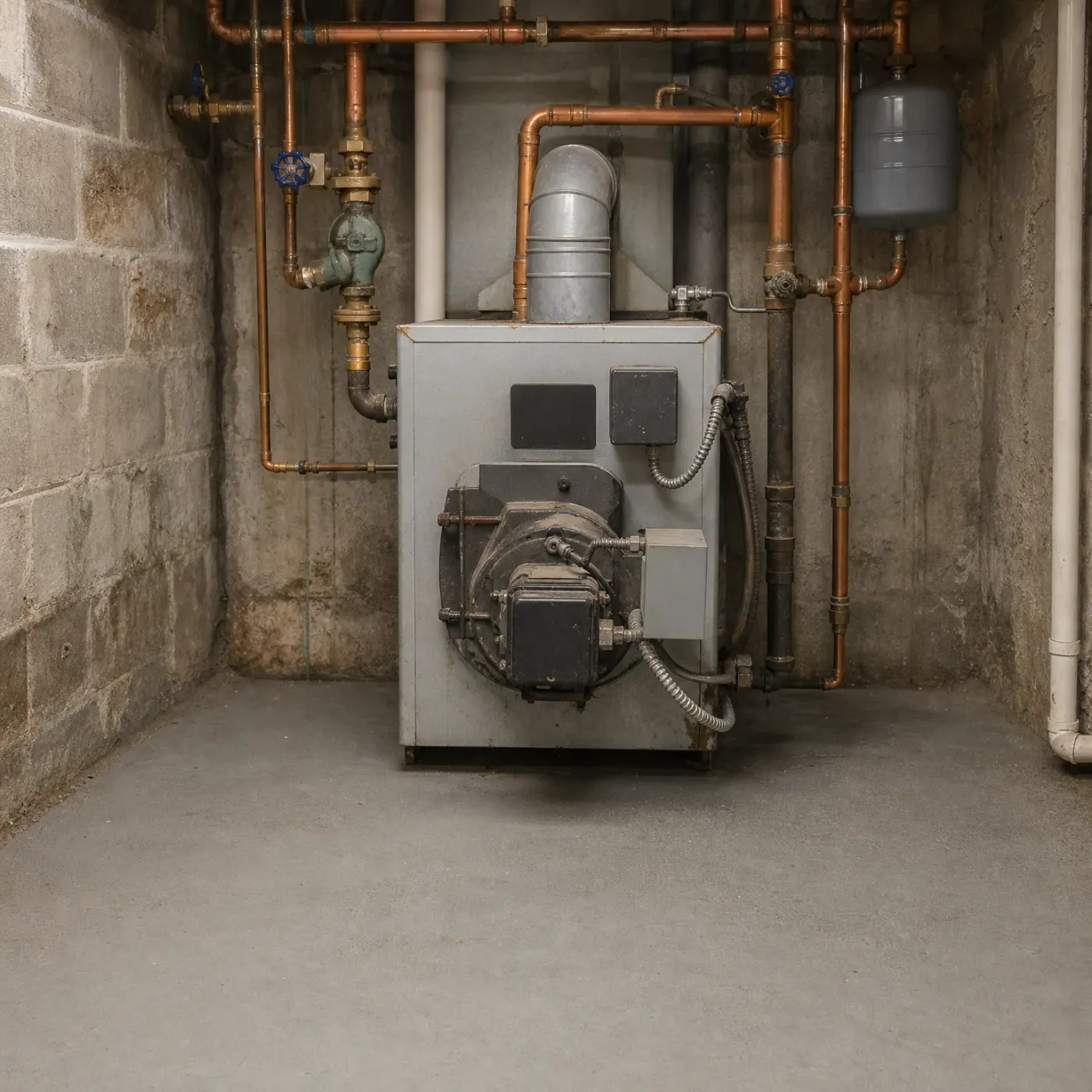
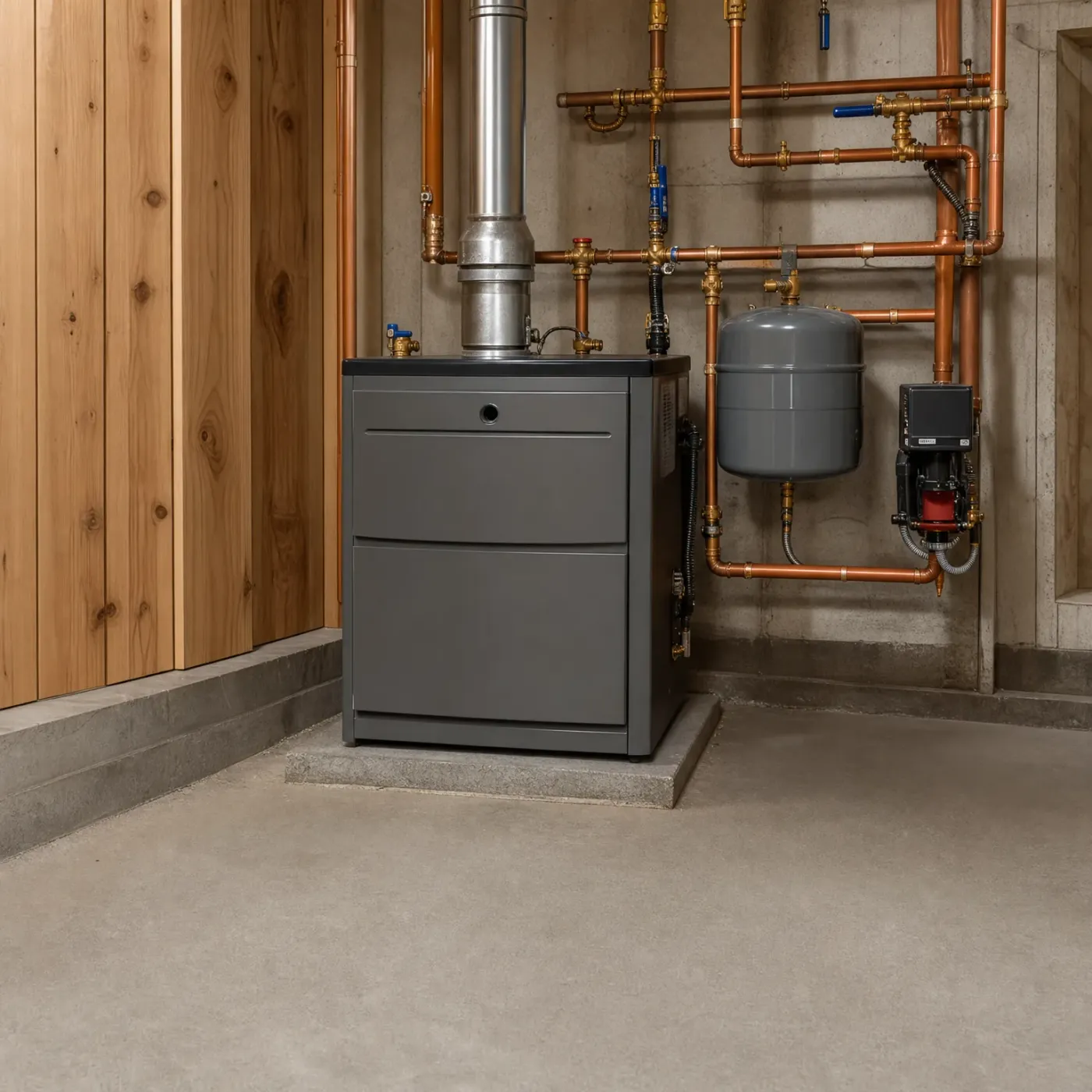
Answer a few questions instead of calling shop after shop.
Send the request today and let a boiler pro reach out to you.
Sending the form costs nothing.
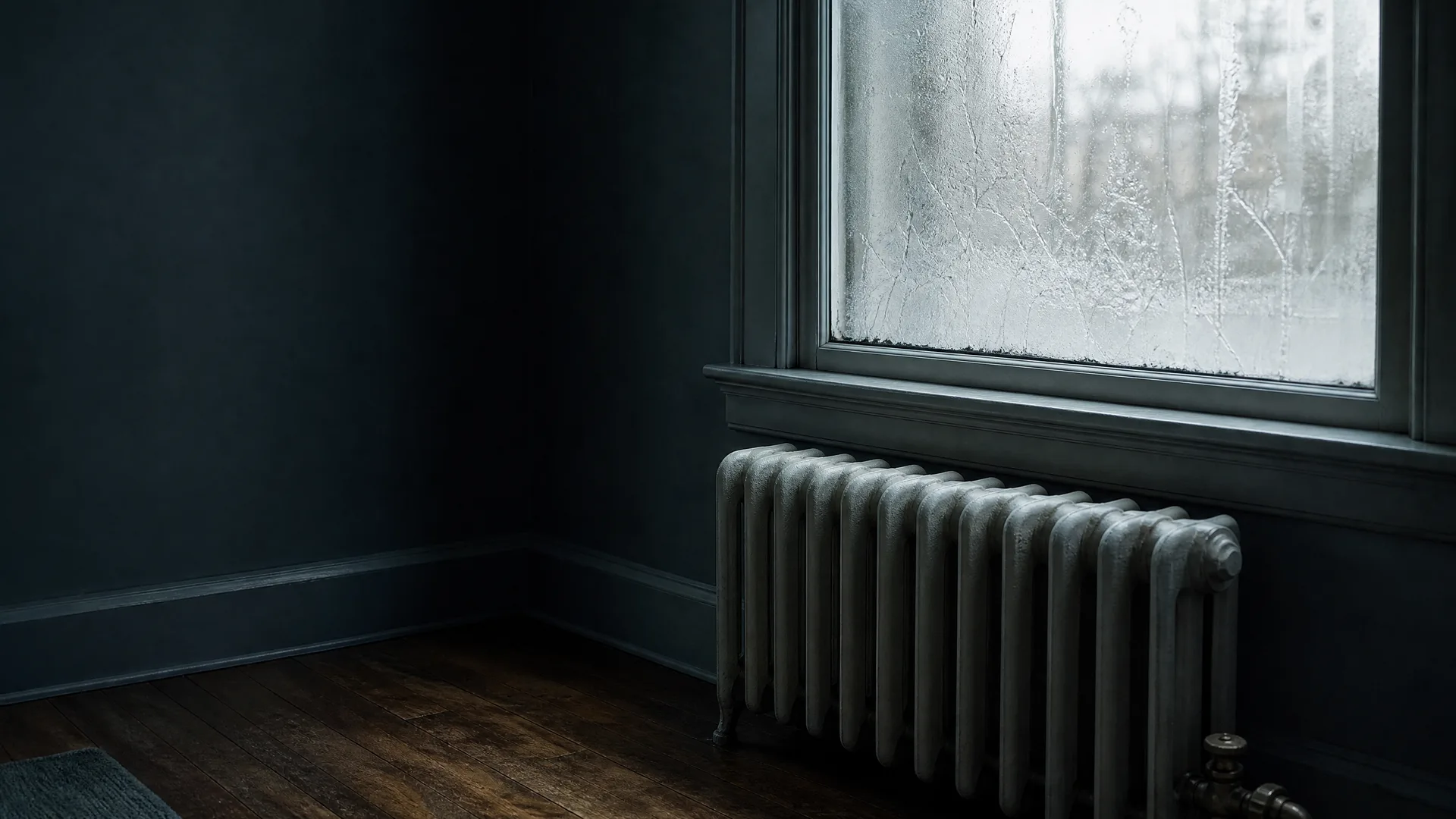
You get up before the thermostat kicks the boiler on again and the living room still feels like the porch. The radiator under the window hasn't put off heat in an hour, maybe longer. You touch the bottom pipe and it's cool, not cold, which means something is moving through there but not enough. Outside it's still dark, one of those January mornings Arkansas gets a handful of times a winter, and the glass has ice feathered across the inside of it. You can see your breath a little when you lean close to check the radiator valve. The dog won't get off the couch cushion. You pull a blanket off the back of the chair and sit near the radiator anyway, waiting to see if it catches.

A hot water baseboard system works because the boiler heats water and a circulator pump pushes it through a loop of pipe into each baseboard unit, then back to the boiler to get reheated. The fins inside the baseboard cover give off heat as that hot water passes through them. If the pump fails, water stops moving no matter how hot the boiler gets, and every baseboard on that loop runs cold. If a zone valve sticks shut, only the units on that one zone lose heat while the rest of the house stays fine. An expansion tank that's lost its air cushion will let system pressure swing as the water heats and cools, and a boiler reading low pressure will often shut itself off rather than run dry.
Tracing which of these it is means opening up the boiler, checking pressure against what the gauge should read, and following the loop to find where the heat stops. That's a few hours of a contractor's time on a system most people in Arkansas don't grow up around, since electric heat is what most homes here use. Finding someone who still works on hot water baseboard setups, then explaining what you've already checked, is its own task on top of a cold house. Sending the details once and having that search handled is the part that changes.

Winter nights here average 32°F, right at freezing. A boiler running on a system losing pressure or fighting trapped air has to work harder just to keep your baseboards above that line, and a weak zone valve shows up faster in that kind of cold.
NOAA nClimDiv 1991-2020 county normals weighted by homes
A pinhole leak at a fitting or valve doesn't look like much at first. A few drops on the floor, a damp patch near the baseboard. But a boiler losing water loses pressure, and low pressure means your circulator pump has to work harder to push water through the loop. Left alone, that same leak can corrode the fitting further, trip the low water cutoff, or leave you with a boiler that short cycles all night.
Checking the pressure gauge once a month and looking under the boiler for damp spots takes a few minutes. If the needle has dropped or you spot moisture, calling someone before the next cold snap means a contractor is looking at one worn valve or fitting, not a boiler that's lost pressure for weeks. That's a shorter visit, and it keeps a small repair from turning into a replaced circulator pump or a cracked section.
A cold baseboard almost always traces back to one thing: air in the loop, a stuck zone valve, a pump that's quit, or a boiler losing pressure it should hold. You've already checked the bottom pipe and ruled out the easy stuff, which means someone needs to get into the system itself to find which of those it is. That search is the part that eats an evening, calling around to ask who still works on hot water baseboard, explaining the same cold room three times, waiting on quotes that don't say much. Sending the form here takes that part off your plate. You're left with one thing to wait on instead of several, and the system gets looked at by someone who knows what a weak zone valve or a tired pump actually does to a loop like yours. The cold room doesn't fix itself, but at least you're not the one tracking down who can fix it.





Describe your boiler job once, to one pro.
You're not committing to anything by asking.