Why one radiator stays cold in an Arkansas winter

Step 1 of 3: Equipment

Why is one of my radiators cold when the rest are hot?

A cold radiator in a room full of hot ones usually means something simple is blocking that one loop, not a failing boiler. Since most Arkansas homes heat with electricity, a boiler here is already doing something a little different than next door, and when one radiator won't come up to temperature it's worth knowing whether the problem is air in the line, a stuck valve, or sludge that's settled where it shouldn't.

Air trapped in the radiator or a closed valve is the usual cause

Hot water needs to fill the whole radiator to heat it, and air pockets stop that from happening in just one spot while the rest of the system runs fine. A valve that's partly closed, whether by hand or because it's seized from disuse, does the same thing. On older systems, sludge can also settle in the bottom of a radiator that sits at the end of a loop, blocking flow before it gets there. None of this points to a failing boiler. It points to that one radiator needing attention, and bleeding it is usually the first thing a tech checks before looking at the valve or the loop itself.

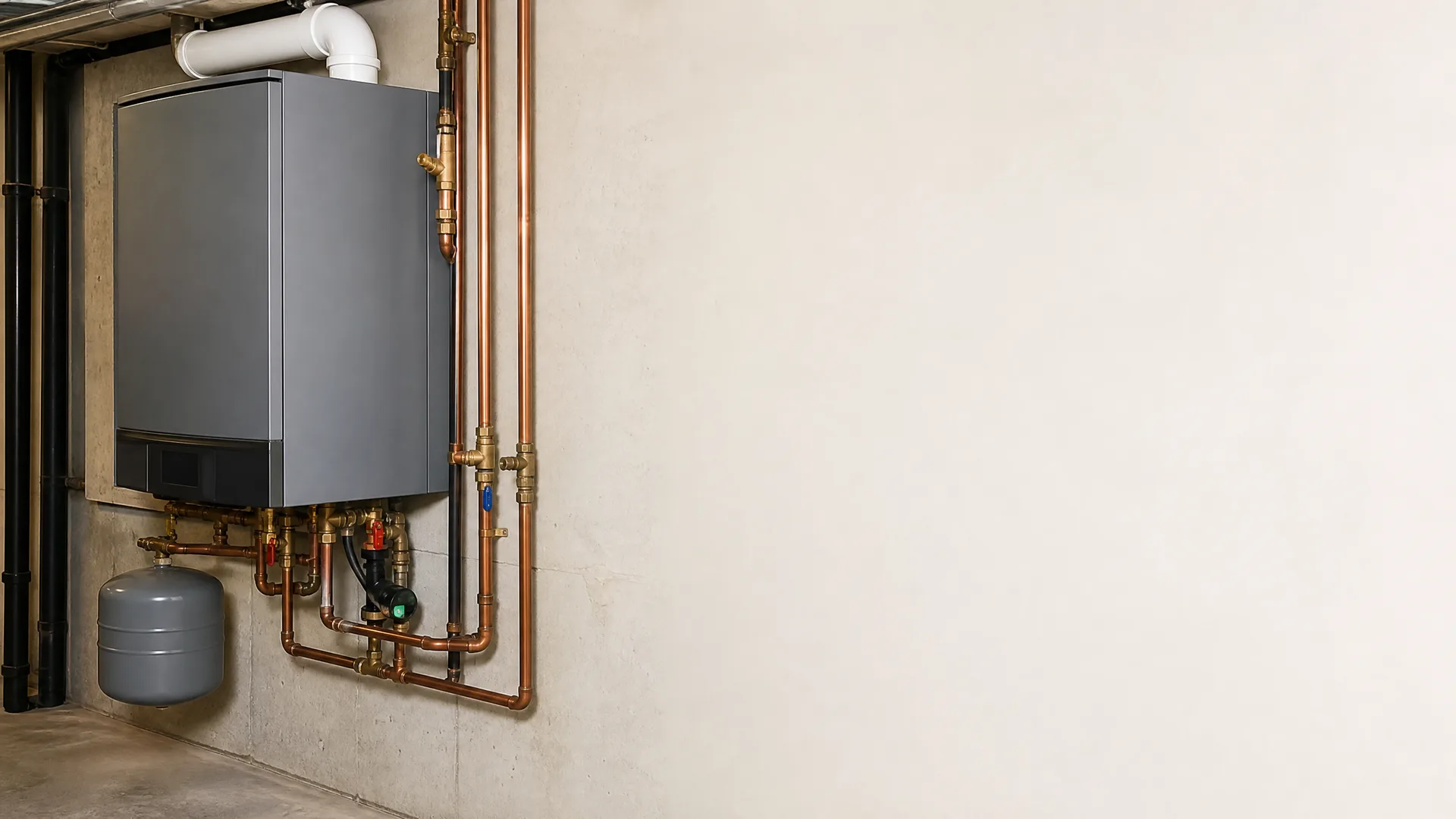
A gray wall-mounted boiler with copper piping, valves and a gray expansion tank installed on a plain concrete basement wall.

Air trapped at the top

Hot water boilers push water through loops of pipe to reach each radiator. Air that gets into that loop collects at the highest point, usually inside the radiator itself, and water can't push past it. That radiator stays cold or only warms at the bottom while the rest of the house heats fine. Bleeding the radiator lets the trapped air out so water can fill the space. It's a common fix and a licensed tech can check the whole loop while there, not just the one radiator.

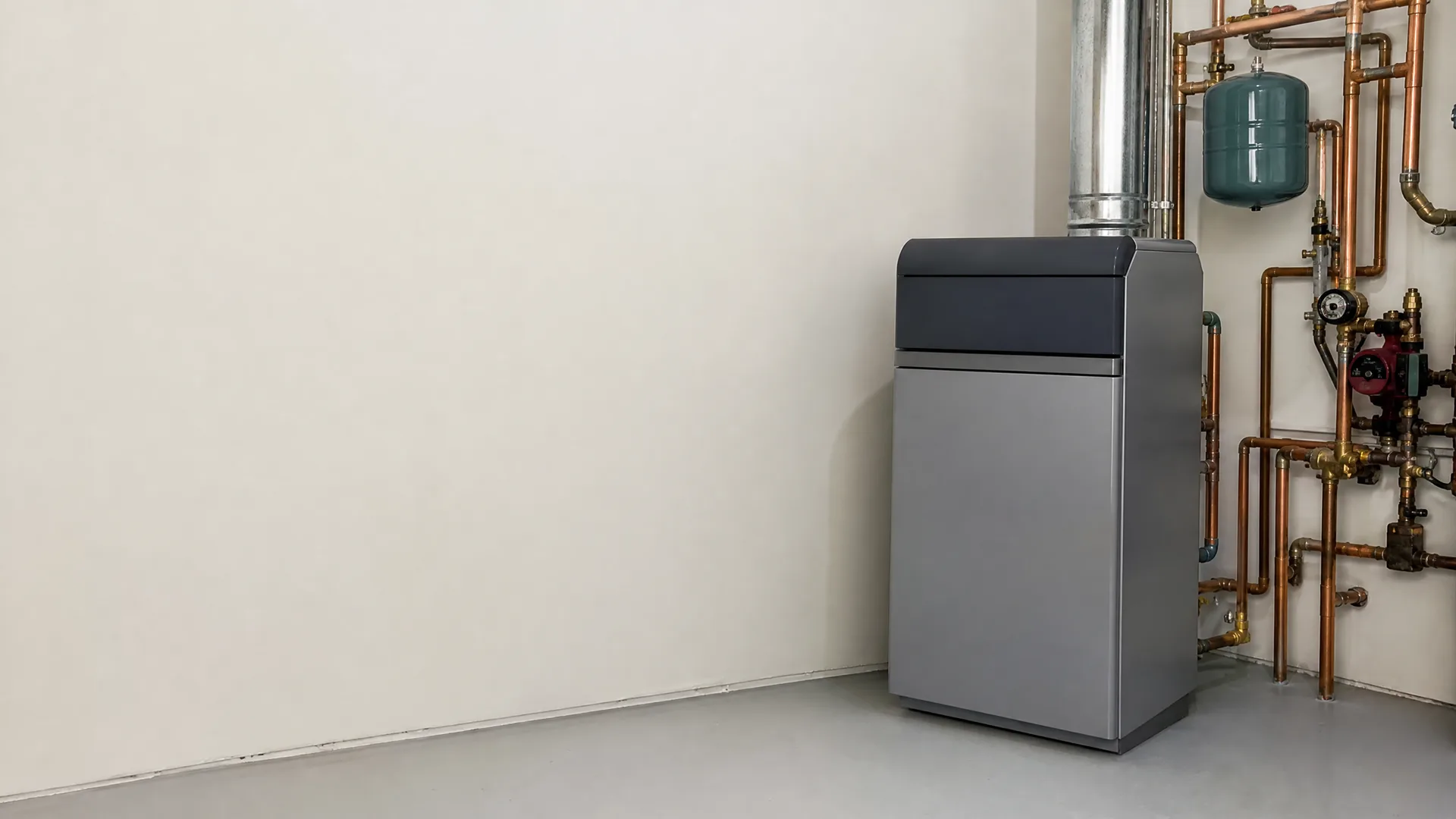
A grey floor-standing boiler with a metal flue pipe stands in a corner of a bare room next to copper pipework, valves and a green expansion tank mounted on the wall.

A valve stuck shut

Each radiator has a valve that controls how much hot water reaches it. If that valve is closed, stuck, or has a broken part inside, no water gets through no matter how hard the boiler works. This is different from an airlock because bleeding won't help. The valve itself has to open or get replaced. A tech who works on boilers through Arkansas winters sees this often enough to know which valve types tend to seize up first.

Bleed It Yourself or Call Someone

Bleed it yourself

  • A radiator bleed key fits the small valve at the top and lets you release trapped air in a few turns.
  • Once water starts to spit out steady with no more hissing, the loop is clear and the radiator should heat up within the hour.
  • This only works if air is the problem, so if the radiator stays cold after bleeding, something else is blocking that loop.
  • Low system pressure will cause the same cold radiator and bleeding won't fix it, so check the pressure gauge on the boiler first.
  • A valve stuck shut or a loop clogged with sludge needs more than a bleed key and won't respond to this on its own.

Have it diagnosed

  • A local contractor who services boilers every winter can tell within minutes whether it's air, a stuck valve, or a blockage in that loop.
  • Repeated bleeding that doesn't hold means air is getting in somewhere, and finding that source takes someone who knows the piping.
  • A valve that won't open or close fully usually needs replacing, which isn't a job for a bleed key.
  • Sludge buildup inside an older loop can block water flow even with the valve wide open and the system otherwise fine.
  • Getting it looked at once settles which of these it is, instead of guessing room by room all winter.
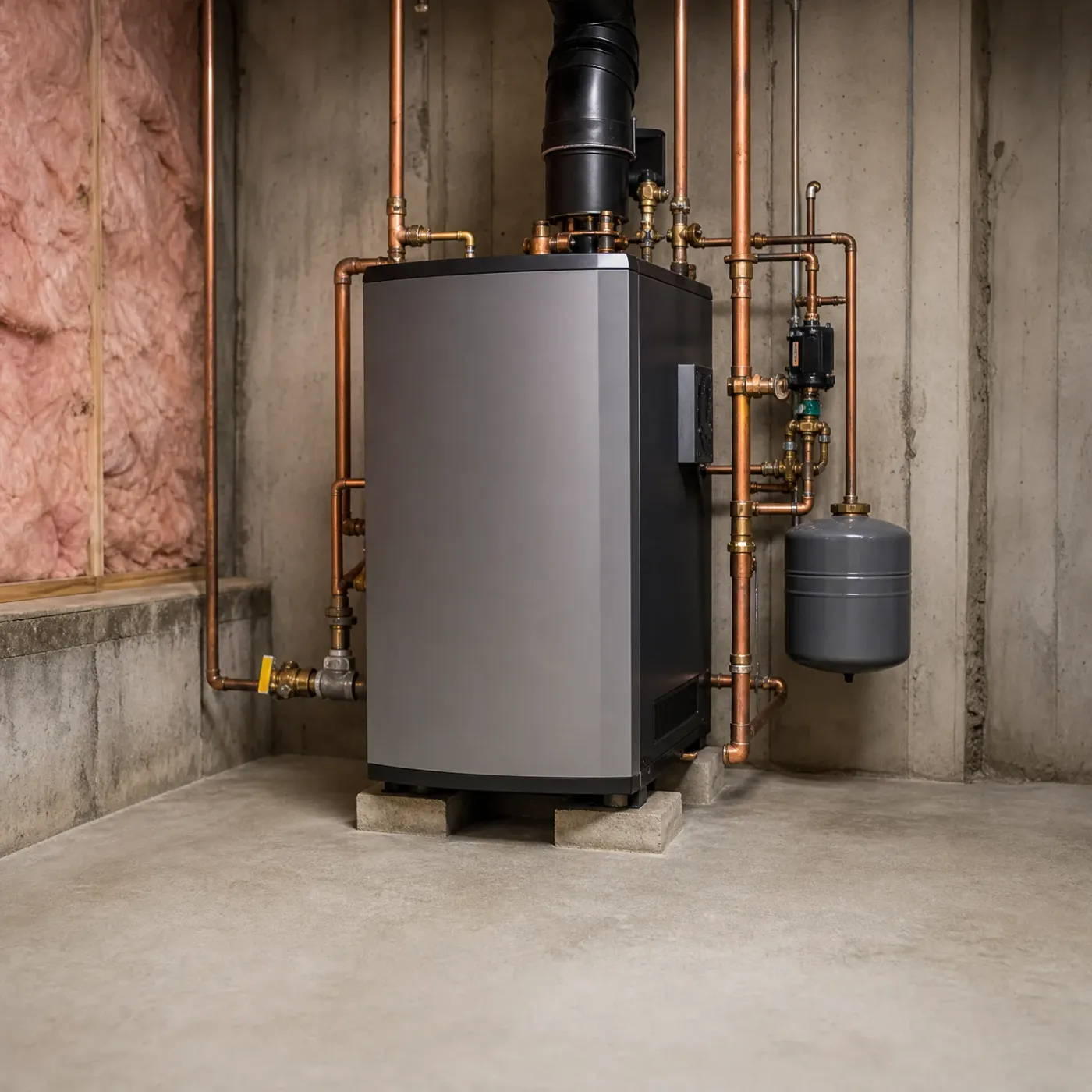
A gray and black boiler unit sits on concrete blocks in a basement corner, connected to copper piping, valves, a black flue duct, and a gray expansion tank, with bare concrete walls and exposed pink insulation at left.

System running as it should

Every radiator gets hot because water moves freely through each loop and back to the boiler with nothing blocking it. The pump, the valves and the pipework all do their part, and heat reaches every room on the same circuit evenly.
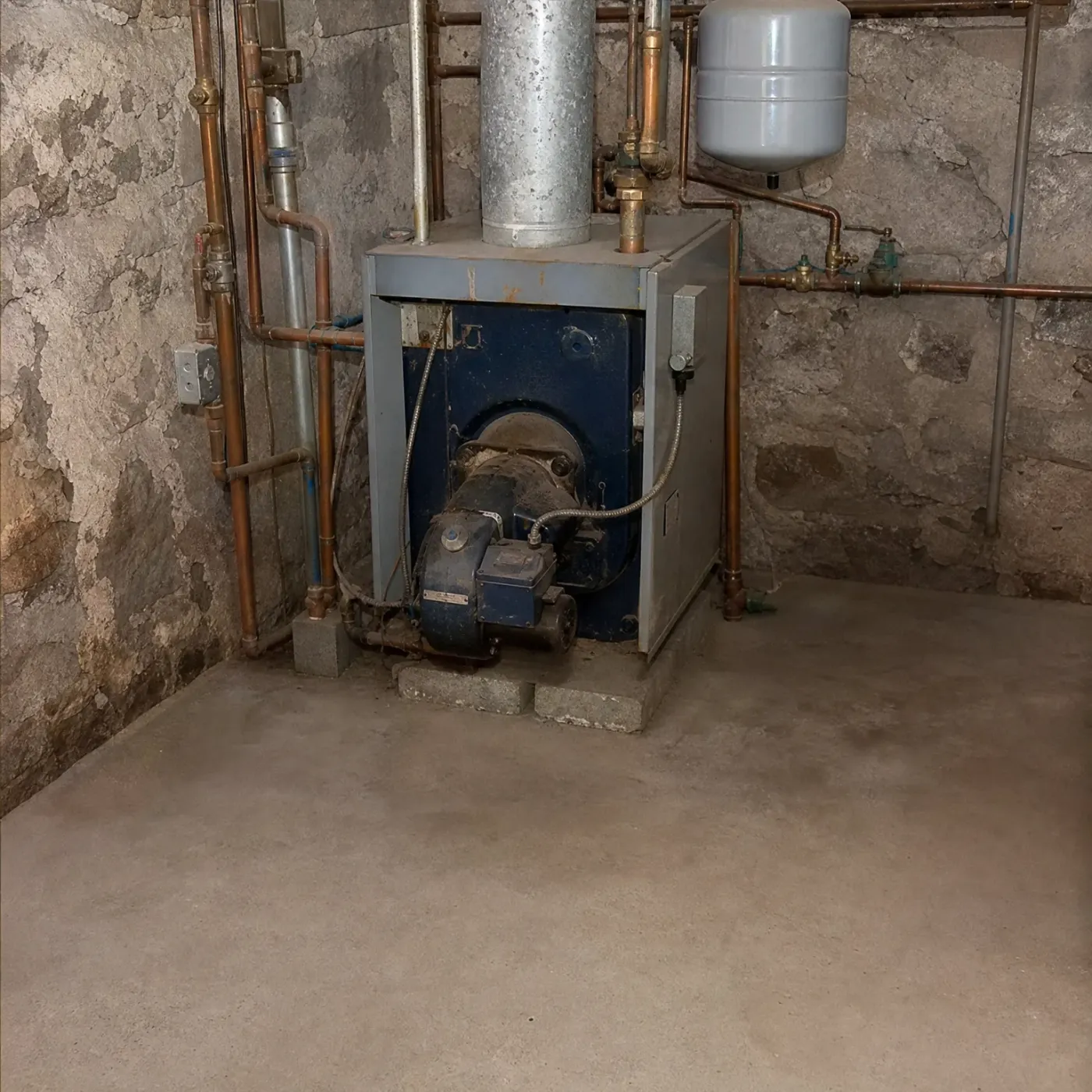
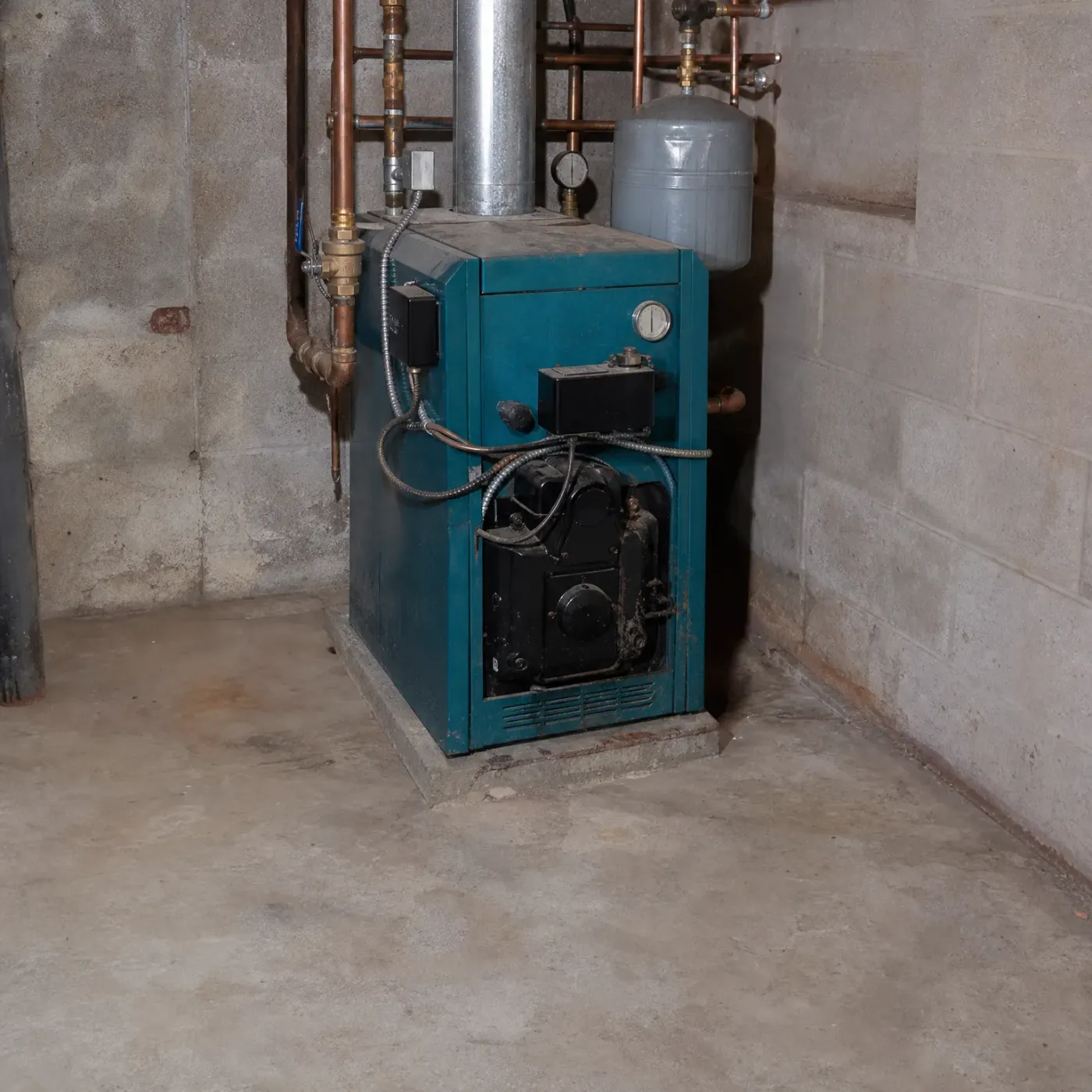
An oil-fired boiler with a blue and gray cabinet and burner sits on concrete blocks in a basement corner with stone walls, connected to copper pipes, a metal flue, and a wall-mounted expansion tank.

One loop in trouble

That same boiler can still fire and heat the rest of the house while one loop stays starved of water. A closed valve, a stuck circulator, or sludge sitting low in an old galvanized line will leave a single radiator cold no matter how long the boiler runs.

A teal boiler with a pressure gauge and black burner unit sits on a concrete pad in a basement corner, with copper pipes, a flue vent, and a gray expansion tank above against concrete block walls.
Before you get your boiler repair
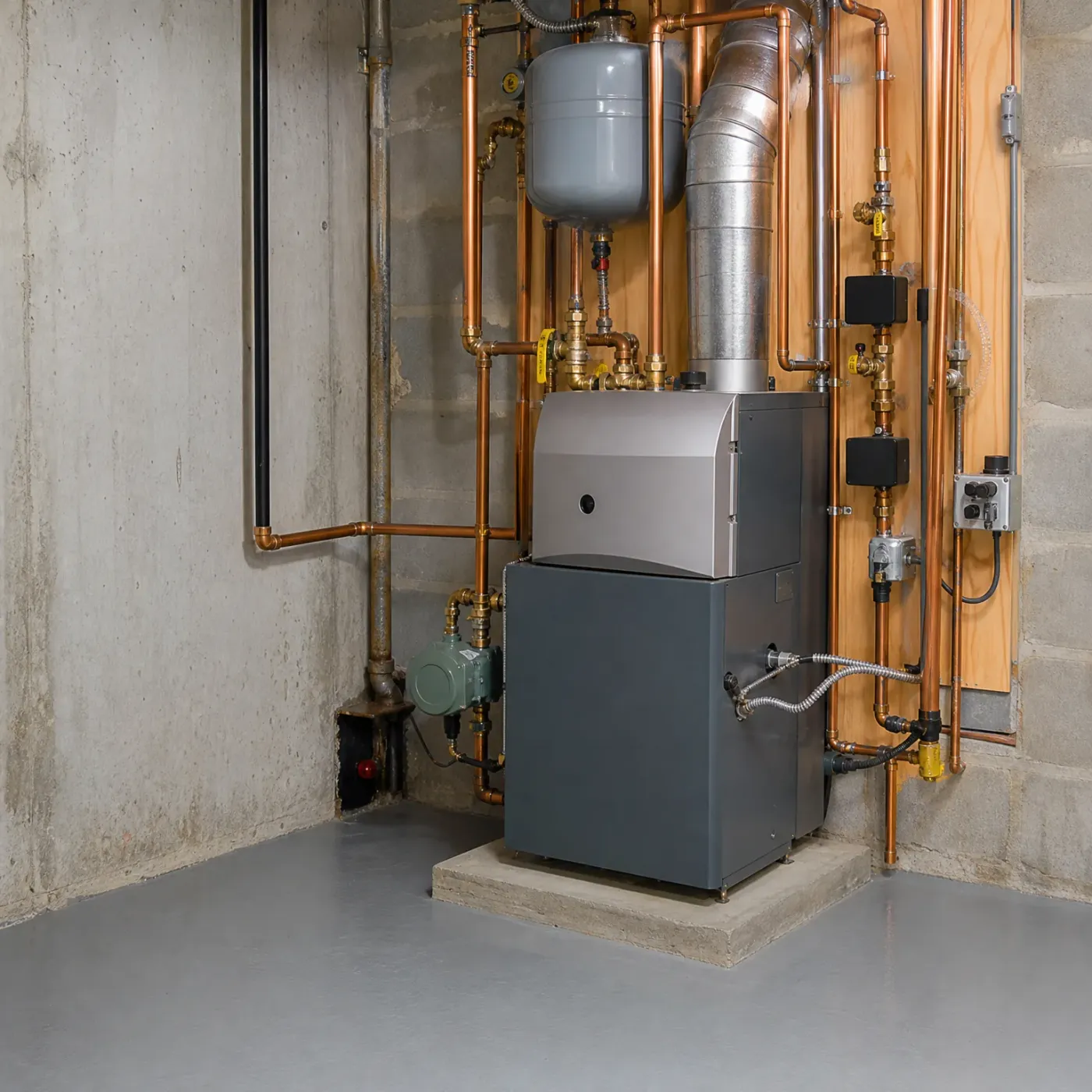
A gray residential boiler on a concrete pad in a basement corner, connected to copper piping, an expansion tank, circulator pumps and insulated flue ducting against concrete and plywood walls.
After you get your boiler repair

Send one request and you're done looking

A boiler working this hard in a Little Rock or Fayetteville winter shouldn't have one room stuck in the cold while the rest of the house is fine. If bleeding the radiator didn't fix it, or you'd rather not open a valve on a system you don't know, the problem might be further in, a stuck valve, a clogged loop, or sediment settled where it blocks flow. A boiler technician who works on these systems all winter has seen that cold radiator before and knows where to look first. Arkansas doesn't have many boilers left next to all the electric heat, which makes it worth finding someone who actually knows this equipment rather than guessing with it yourself. Send the request and let that search be someone else's job for a while, not yours, while the rest of your house stays warm and that one room waits its turn.

Why That One Loop Fails

  • Each radiator loop has its own balancing valve, and if it's shut too far, water can't flow at a rate that heats the room.
  • A loop near the end of a long pipe run gets less flow than one closer to the boiler, so it's the first to go cold if anything restricts it.
  • Sludge and rust build up inside a radiator over years and settle at the bottom, narrowing the path water takes through it.
  • A thermostatic radiator valve that's stuck closed will keep that one radiator cold even though the boiler is firing and every other loop is open.
  • The circulator pump moves water through all the loops at once, so a single cold radiator points to something local to that loop, not the pump itself.
  • Pipework that's partly blocked by debris or an old fitting will starve one radiator while the rest of the system runs normally.

Every radiator in the house sits on its own loop, fed by the same boiler and the same circulator pump. That pump doesn't care which rooms are warm. It just keeps water moving through every loop at once, so when one radiator stays cold, the pump is almost never the reason. Something local to that one loop is blocking flow.

The balancing valve is often the first place to look. Each radiator has one, and if it was closed down too far, or shut off completely at some point, water can't get through fast enough to heat the room. A thermostatic radiator valve can cause the same problem if the pin inside it sticks closed, which cuts off that radiator even with the rest of the system running fine.

Distance plays a part too. A radiator at the far end of a long pipe run already gets less flow than one near the boiler, so it's usually the first to show a problem when anything narrows that path further. Inside the radiator itself, years of sludge and rust settle at the bottom and take up room water needs to pass through. Old fittings or debris lodged in the pipework can do the same thing further up the line.

None of this needs the boiler itself to be at fault. It just needs one valve, one buildup, or one blocked fitting on that single loop.

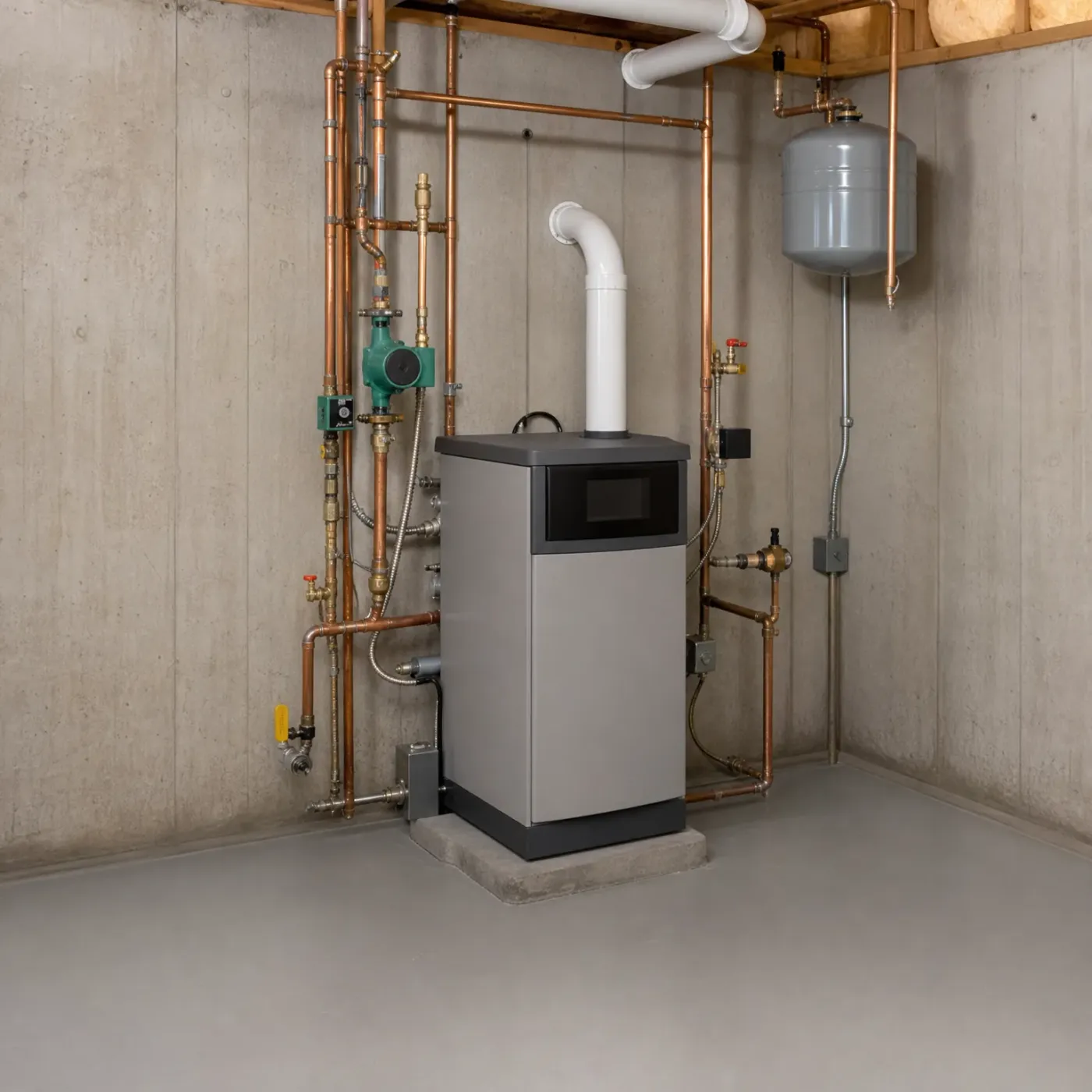
A gray floor-standing boiler on a concrete pad in a basement corner, with copper piping, a circulator pump, a white PVC flue, and a gray expansion tank mounted on the wall.
A boiler like this moves water through copper lines to every radiator without a fight, so no room gets left out in the cold.
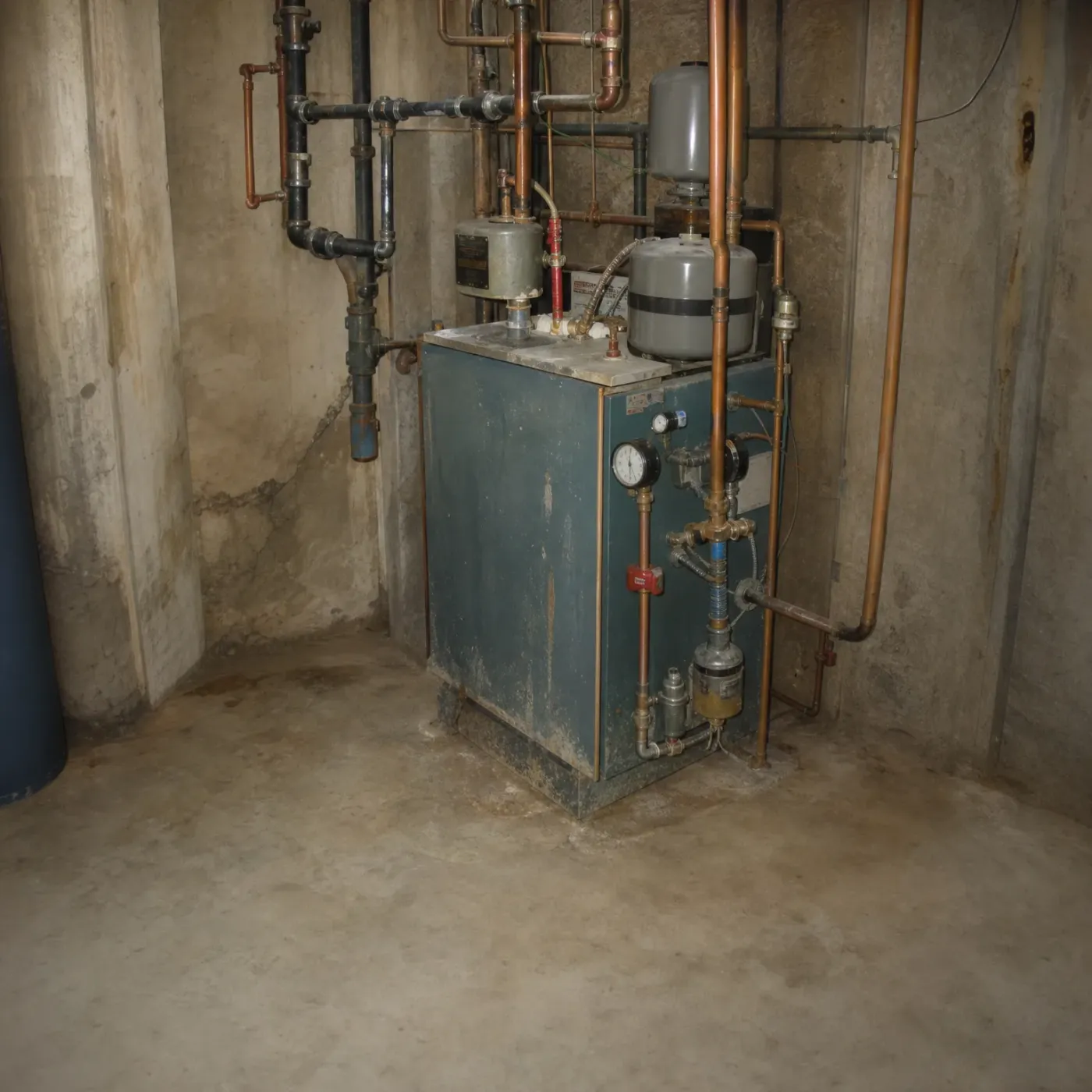
A green metal boiler with pressure gauge stands in a concrete basement corner, surrounded by copper and black iron pipes and two tank-shaped vessels.
A cold radiator next to a gauge reading normal pressure points to a blockage in that one loop, not a boiler that's failing.
A gray-haired bearded man in a dark knit sweater sits on a light gray sofa in a sunlit living room, looking to his left, with a framed artwork, a potted palm, and a curtained glass door behind him.
A middle-aged man in a dark green sweater sits on a light grey sofa looking toward a sunlit window, with a wooden shelving unit, lamp and potted plants in the background.
A man in a dark green sweater sits on a light grey sofa in a sunlit living room, looking to his left, with a shelving unit, houseplants, framed art and a large window behind him.
A gray-haired bearded man in a dark green sweater sits on a light gray sofa in a sunlit living room with a potted plant, framed picture, and dark shelving in the background.

Winter nights average 32°F statewide

On a night that sits at 32°F, your boiler is running steady through the whole house to keep every room livable. One cold radiator in that mix means the rest of the loop is working fine and carrying the heat it should, so whatever's blocking that single room is worth fixing properly rather than living with.

NOAA nClimDiv 1991-2020 county normals weighted by homes

A cold radiator in a house full of warm ones comes down to one of a handful of things: air in the loop, a stuck balancing valve, or a blockage in that run of pipe. None of that means the boiler is failing, and none of it is a mystery once someone looks at it. If bleeding the valve didn't bring the heat back, it's worth having someone local look at the loop itself rather than guessing further. A heating contractor who works on boilers around Arkansas every winter has seen this exact complaint plenty of times, one hot house with one cold room, and knows which of those causes tends to show up first. Send the request and you're handed to one contractor, not several, so you're not fielding calls all afternoon trying to sort out who to trust with it. That's the whole fix: find what's blocking that one loop, clear it, and every radiator in the house goes back to matching.

Corner of a room with a white window at left, a white fireplace mantel with dark stone surround at right holding a weathered clay vase of leafy branches, and a cream upholstered sofa with a knit throw and tan pillow in the foreground.
A cushioned window seat with a brown lumbar pillow beside a white-framed window overlooking green trees, next to built-in cream cabinetry with shelves holding ceramic vessels and a wooden bowl.
An entryway with a dark wood console table holding a stone vase of olive branches and a shallow wooden bowl, a woven basket on the lower shelf, a framed landscape print on the wall, and a glass-paned wood door at left.
A wooden vanity cabinet with dark knobs and a beige stone countertop holding a round terracotta vase with leafy branches, beside a wood-framed mirror and a white sink.
Sunlit room corner with wide-plank oak flooring, white baseboard molding and beige walls, a window at left showing green trees, and a dark cabinet at right topped by a stone vase holding a leafy branch.

Finding a pro stops being your job

Your request goes to one pro, not a list of companies.

Find a local pro

No charge to send it. You decide if you hire them.