Boilers are less common here
Most Arkansas homes heat with electricity, so a boiler technician may take longer to find than one who works on furnaces or heat pumps.
Let someone else find the pro
Most houses in Arkansas run on electric heat, but if a boiler keeps yours warm, a fall tune-up is still worth knowing about before cold weather sets in. This page gets into what a technician actually checks and adjusts, from the burner to the safety controls. Skip the search for someone who still works on boilers and send one form instead.
I'm done searchingA boiler tune-up before winter covers a set check: the technician cleans and inspects the burner, checks the flue for a safe draft, tests the low-water cutoff and pressure relief valve, bleeds air from the system, checks the expansion tank, and inspects the circulator pump. This matters because a boiler that short-cycles or won't hold pressure usually traces back to one of these parts going unchecked since last year. Since most Arkansas homes run on electric heat, boiler service here isn't something every contractor handles routinely, so a tune-up now also means finding someone who still knows the equipment well before the first cold snap arrives. Done in the fall, this catches a worn part or a weak seal while it's still a small fix, not a cold morning with no heat.




Most Arkansas homes heat with electricity, so a boiler technician may take longer to find than one who works on furnaces or heat pumps.
Instead of calling around and comparing quotes on your own, send one form and let a contractor who services boilers reach out to you.
Since your boiler is already less common here, it's easy to let it run until something forces your hand. Listen for banging or gurgling in the pipes, that's usually air trapped in the system. Check for a pilot light that's yellow instead of blue, or a burner flame that looks uneven. A radiator that stays cold at the bottom while the top heats up usually needs bleeding. Look under the unit for any sign of water, even a small puddle near the base matters. If the pressure gauge sits outside its normal range, or the boiler short cycles instead of holding a steady burn, that's the system telling you something before it fails outright on the coldest night of the year.
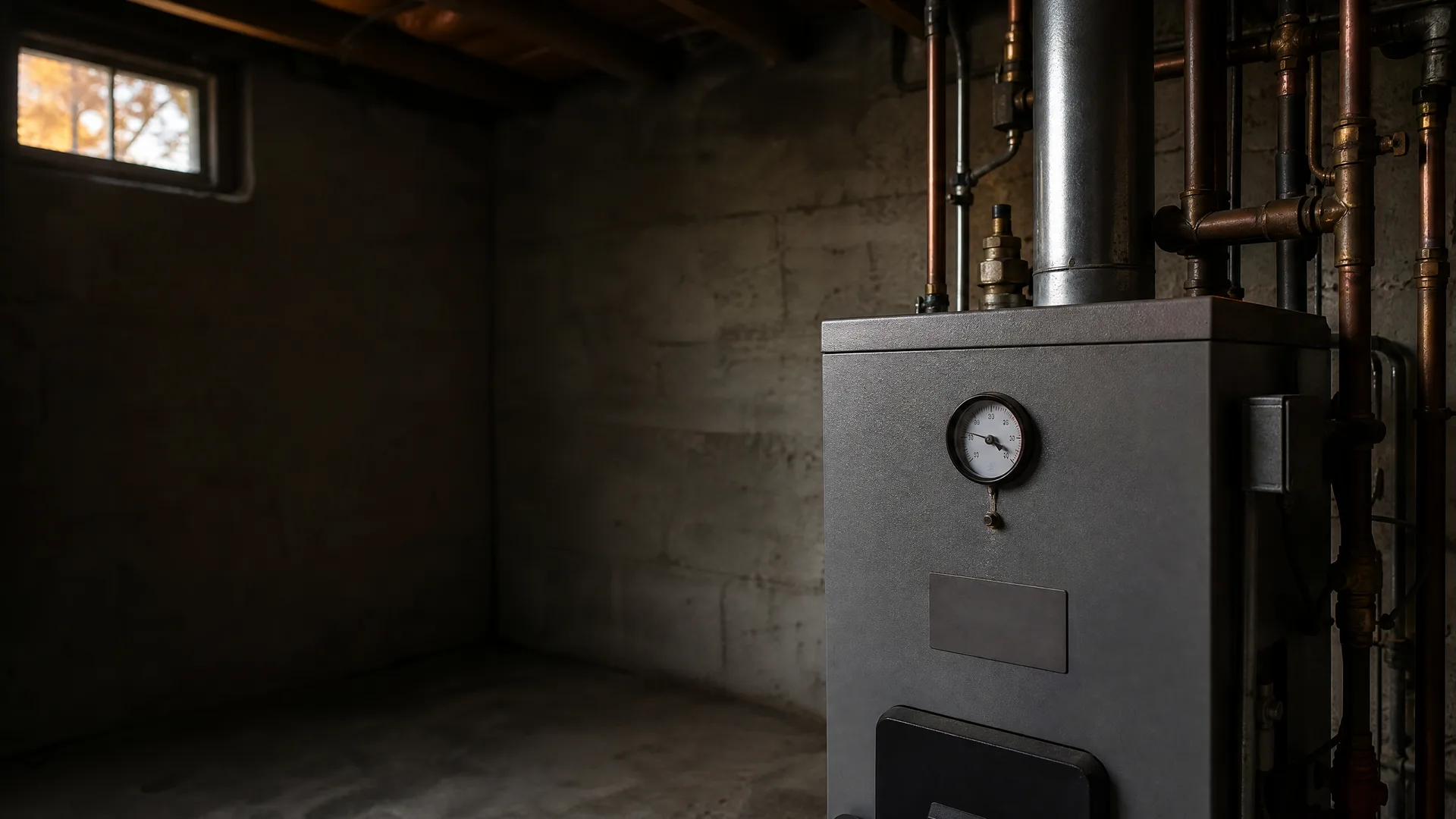
You're down in the basement on a Saturday morning, boxing up the last of the summer stuff, when you catch sight of the boiler in the corner. The pressure gauge is right there at eye level, its needle leaning low, closer to zero than the middle of the dial where it usually sits. Outside, the air finally has that October edge to it, the first morning you've wanted a sweater. You crouch down and tap the glass, just to see if the needle moves. It doesn't. You stand there a second, thinking about the nights coming up when you'll actually need this thing running, and you make a note to deal with it before you forget again.
Fill out one form instead of calling around for a boiler tune-up.
There's no charge for the request.
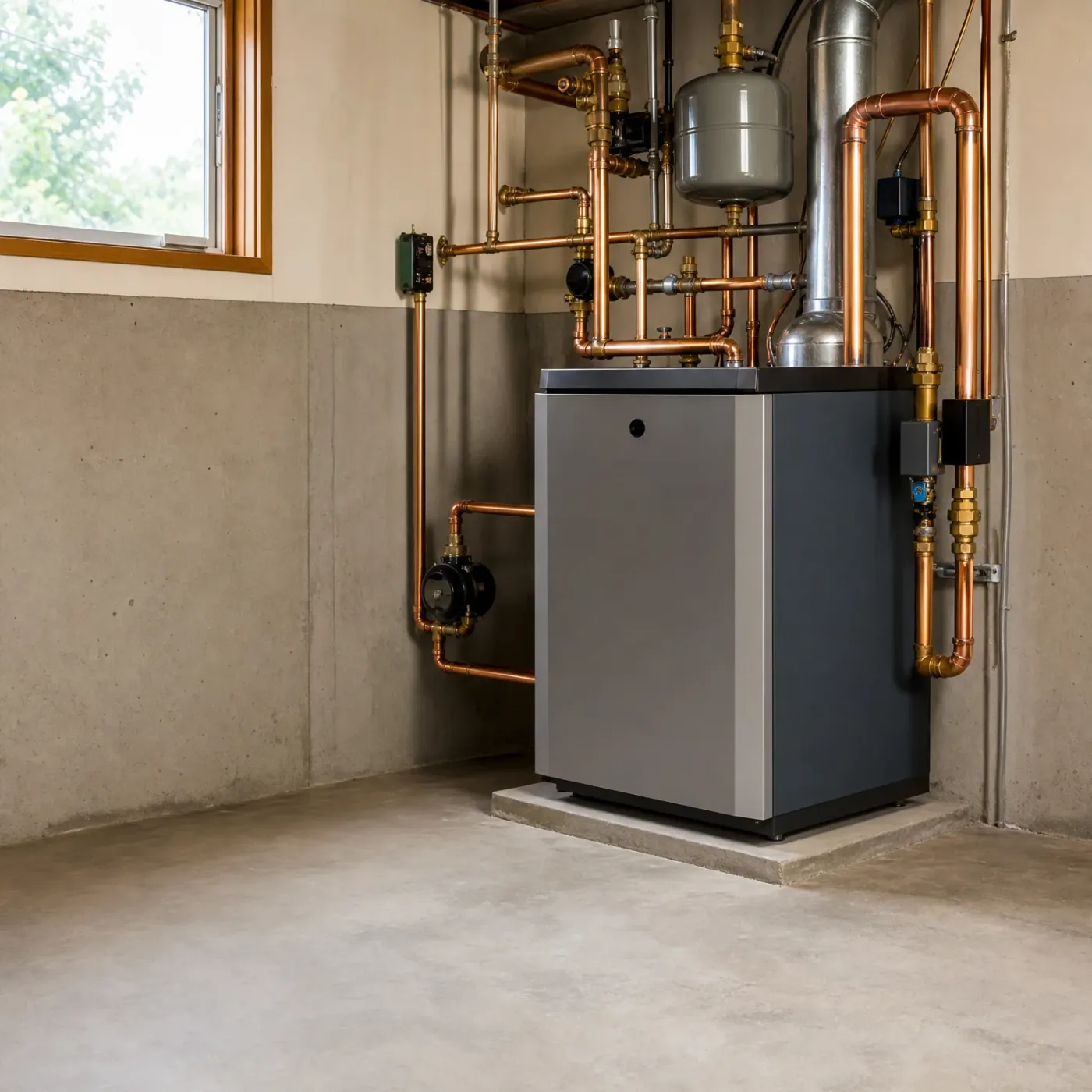
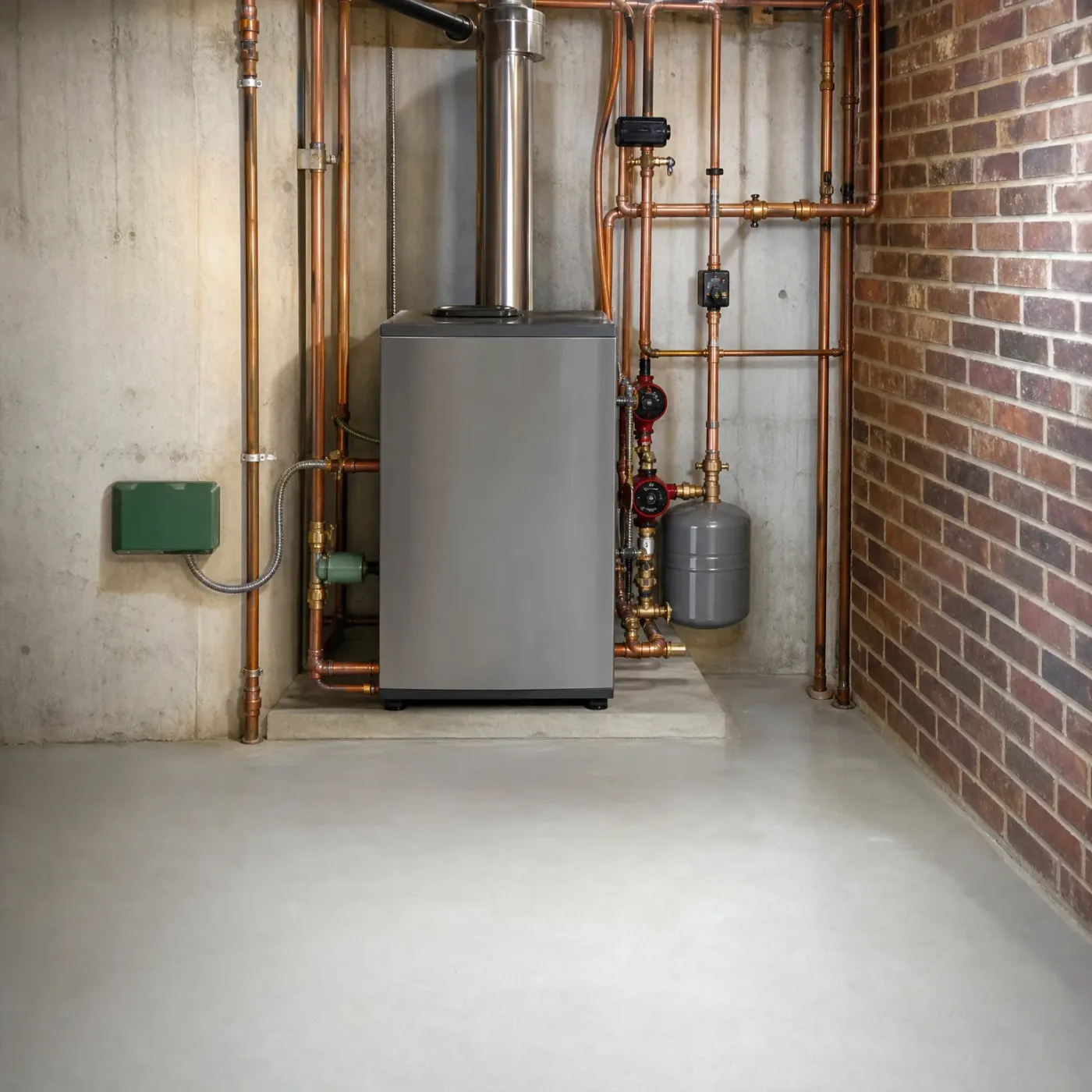
The pipes are tight, the pump runs quiet, and the flue draws clean. Pressure sits where it should on the gauge. A technician sets a boiler up this way during a tune-up, then leaves it to carry the house through January without a second thought.
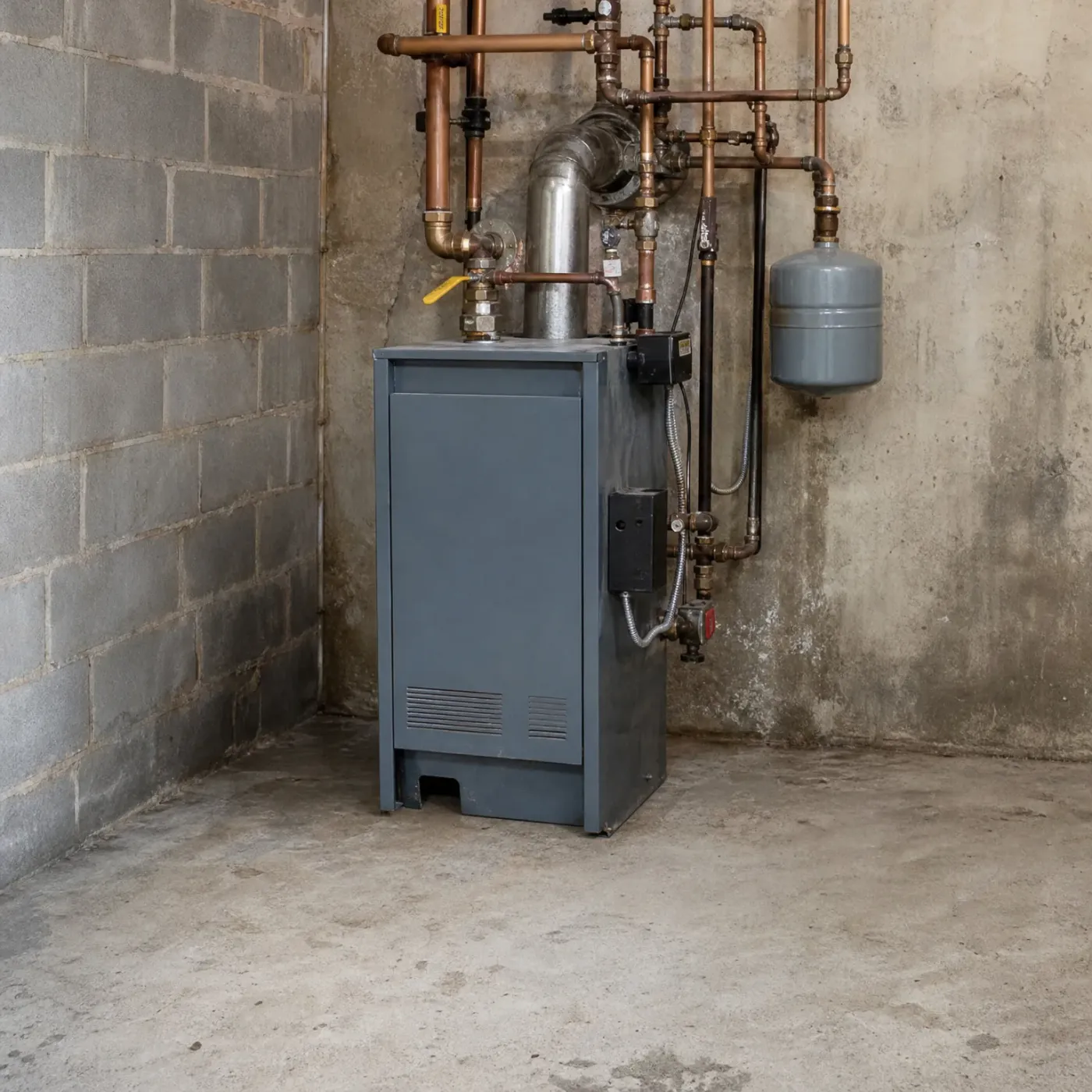
Pushed into a corner, this one got checked on only when something sounded wrong. No one looked at the expansion tank or the flue before the cold came. By the first hard freeze, whatever was already wrong gets to decide how your winter goes.


You send one form and that's the last of the searching. No calling around to find someone who still works on boilers, no explaining the pressure gauge or the gurgling pipes twice, no sorting through quotes to guess who actually knows this equipment. A contractor gets back to you, and from there it's scheduling, not hunting. The part of this that eats a weekend, tracking down someone qualified, is already done.
You're still the one calling around when the boiler won't hold pressure or the pipes start banging. Every contractor you reach wants the same story again: when it last ran right, what the gauge reads, what noise it's making. Boilers aren't common here, so the list of people who work on them is short, and the ones free before the cold sets in are shorter still. The search itself is the cost, not just whatever the boiler needs once someone looks at it.
Nights around 32°F are normal here from December through February. Your boiler has to bring that back up to room temperature on its own every night, all winter. A tune-up now makes sure the burner and pump aren't working harder than they need to when that cold settles in.
NOAA nClimDiv 1991-2020 county normals weighted by homes
A boiler tune-up before winter is a known list of checks, not a guess. The burner gets cleaned, the flue gets checked for draft, the low-water cutoff and pressure relief valve get tested, air gets bled from the system, and the expansion tank gets looked over. That's the whole job, and it's done before the first hard freeze rather than during one.
Your boiler doesn't get a break once that's done. Nights near 32°F from December through February mean it's bringing the house back up to temperature on its own, every night, for three months straight. A tune-up in the fall is what makes sure the burner and pump can carry that without strain, and it's also when a worn part gets caught while there's still time to order it.
The harder part, in Arkansas, is finding someone to do it. Most houses here run on electric heat, so a technician who still knows boilers isn't the first name in the phone book. That usually means calling around, describing the same gurgling pipes or low pressure gauge to each one, and waiting to see who actually answers.
Sending one form instead skips that part. The searching, the repeat explaining, the sorting through quotes, all of it stops being your job. What's left is a boiler that goes into January already checked, with the pump, the flue, and the pressure holding steady without anyone having to think about it again until spring.
Skip calling around to set up a boiler tune-up.
