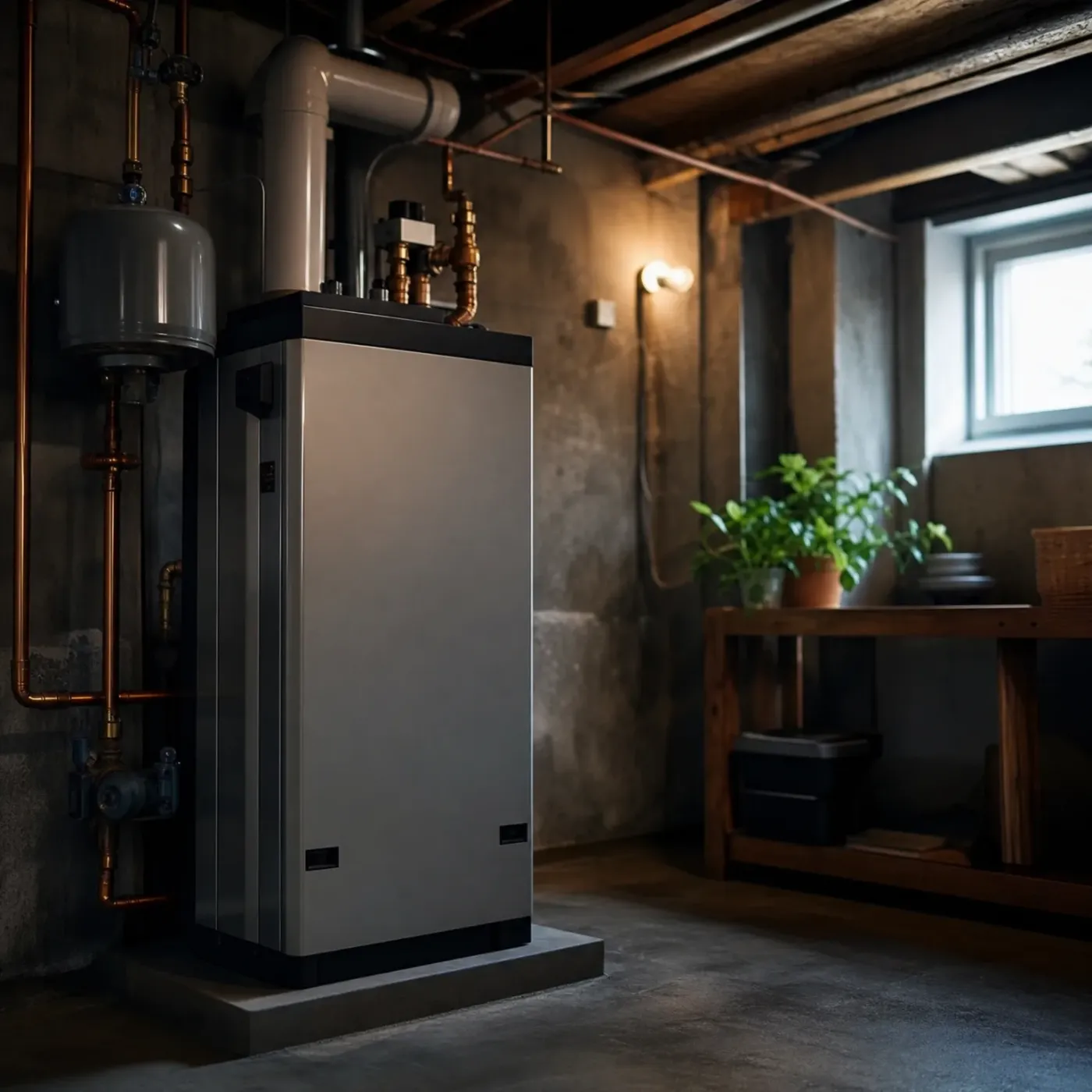
Hand off the boiler problem
Signs your boiler won't last an Arkansas winter
Most boilers here are old enough that nobody's sure what shape they're really in, and a hard freeze has a way of finding the weak spot. This page walks through the signs that yours might not make it through this winter, the ones worth checking before the cold really sets in. Send the form and skip the part where you're the one calling around to find out who can look at it.
Hand off my repairA boiler that won't make it through an Arkansas winter usually tells you first. Listen for banging or kettling in the heat exchanger, that's mineral buildup rattling against the metal as it heats. Watch for water pooling at the base, a sign the pressure relief valve or a seal inside has already given out. Check if some rooms stay cold while the boiler runs nonstop trying to catch up, that's circulation failing somewhere in the system. A pilot light that keeps going out, or a burner flame that's yellow instead of blue, points to a draft or gas problem that gets worse under the strain of a hard freeze. None of these mean the boiler is finished. They mean it's working harder than it should to do the same job, and that's usually the point where a small repair either holds through the cold months or turns into a bigger one.
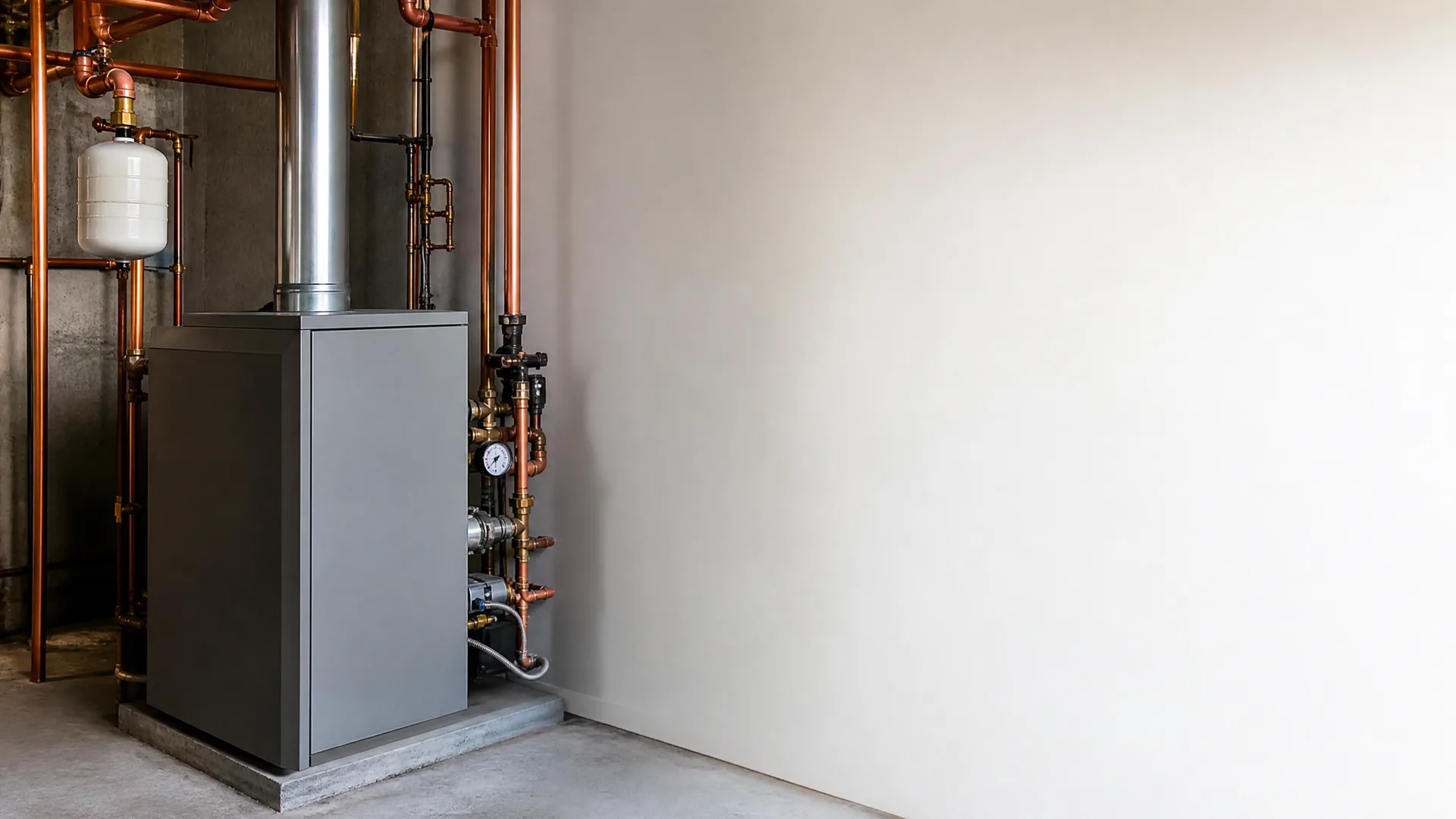
Why the kettling noise matters
That banging sound comes from scale building up inside the heat exchanger. As it thickens, it traps water against the hot metal and the water flashes to steam in small pockets, which is what you're hearing. The heat exchanger has to work harder to move heat through that buildup. Left alone, the metal underneath it stresses and cracks. Once it cracks, the exchanger needs replacing, and a boiler with a cracked exchanger isn't worth repairing.
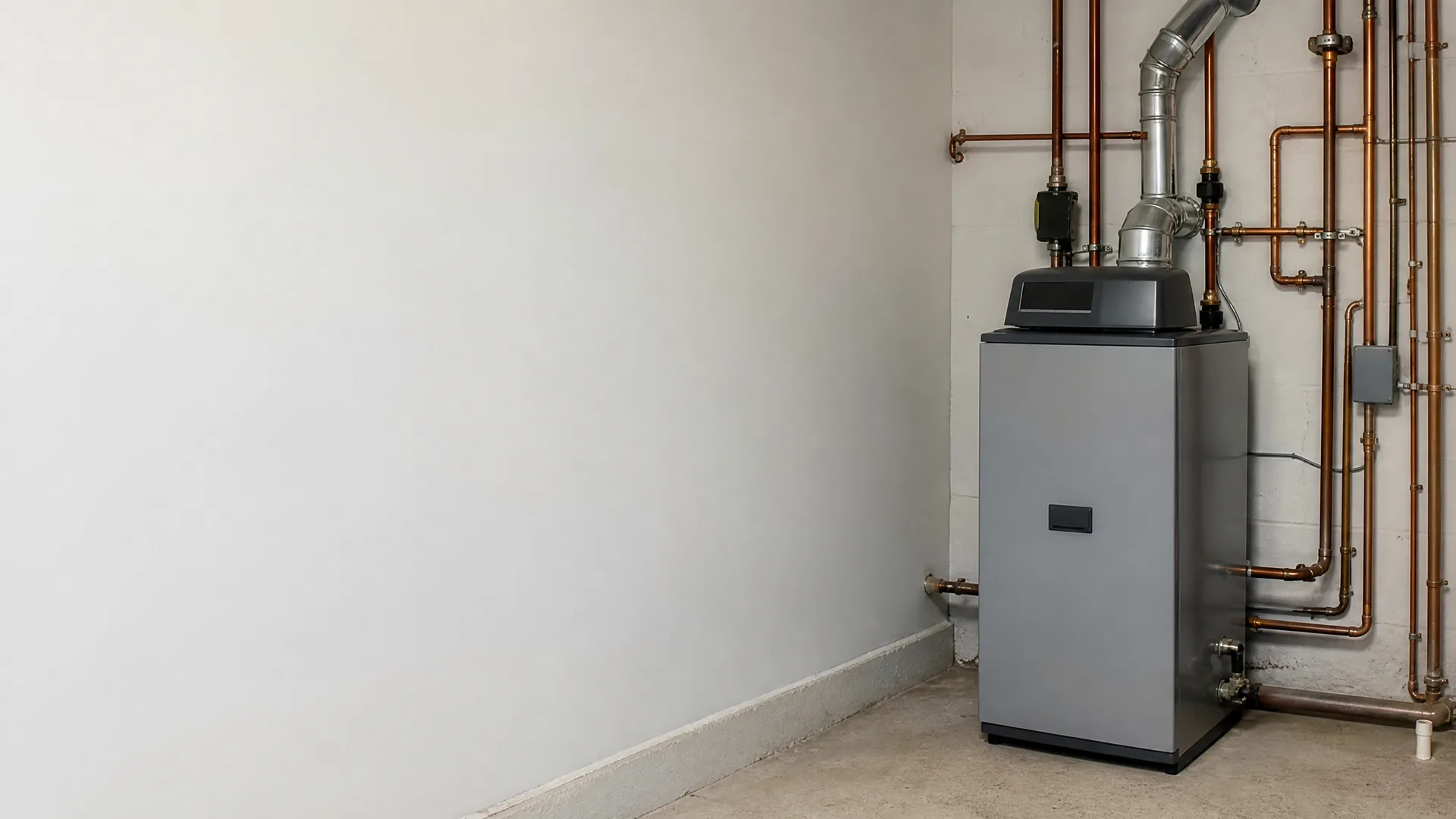
What the pressure valve is telling you
The relief valve opens when pressure inside the boiler climbs higher than the tank can safely hold. Water pooling underneath means it's already opened at least once. A valve that keeps opening points to a problem building somewhere else in the system, not a fault with the valve itself. A boiler running near its pressure limit through a hard freeze is one that's more likely to fail when you need it most, not less.

What a cold snap does to a boiler already in trouble
You already catch the small stuff, the pilot that won't stay lit, the pressure gauge that creeps up. That habit matters more in January, when a boiler that's been rattling or leaking all fall meets a hard freeze and the weak spot gives out. A cracked heat exchanger or a seized circulator pump doesn't wait for a convenient week. It fails on the coldest night you've had, with your family in the house and no heat until someone gets there.
That's the part that costs you time you don't have: finding a contractor who answers, explaining the kettling noise and the water at the base to three different companies, waiting on quotes while the house gets colder. Send one form here and that search is done. You explain it once, to the person who's coming to fix it.

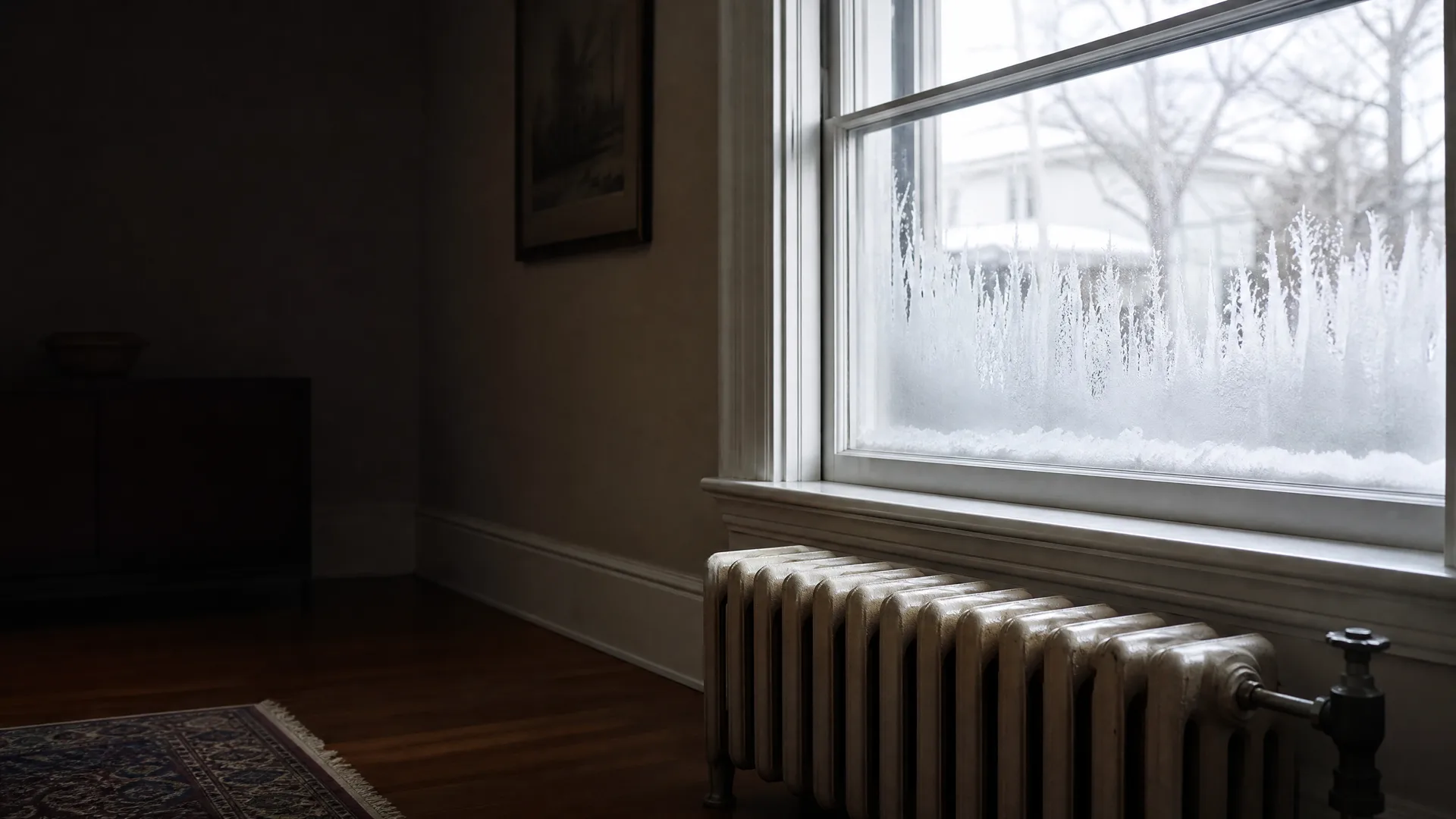
You get up before the thermostat has caught up, the way you do most January mornings. The living room is cold enough that you can see your breath for a second. Frost has crept across the inside of the window glass above the radiator, a thin white film in the corners. The radiator itself is quiet, no clank from the pipes, no hiss. You put your palm on the cast iron and it's barely warm, not the kind of heat that fills a room when it's ten degrees outside. Somewhere down in the basement the boiler is running, or trying to. You stand there a minute, waiting to feel it catch.
It's off your list after this
You've read through the signs by now and maybe you've already heard one or two of them in your own basement. A boiler that's kettling or leaking doesn't announce the day it'll quit. It picks a cold morning, usually the worst one, and that's the morning you're calling around trying to find someone who answers, explaining the same noise to three different companies, waiting on quotes while the house keeps dropping degrees. Sending the request here means you stop doing that. One contractor gets it, not a list of them, and the search that would've eaten your evening is off your plate. You still have a boiler that needs looking at before January tests it again. But finding the person to do that looking is no longer something you have to carry by yourself while the house gets cold around you.
Fixing the small stuff versus waiting
You already check the pressure gauge and relight the pilot when it goes out. That habit catches a lot. But some signs don't go away with a reset. A boiler that kettles every time it fires isn't getting better on its own, and a hairline crack in the heat exchanger doesn't heal. Getting a contractor to look at it now means someone can pressure test it, check the exchanger, and tell you straight whether it's a repair or a replacement. You skip calling around, explaining the noise to three different companies, and waiting on quotes that all say something different.
Riding it out until January
The other option is to wait and see. Plenty of boilers run another winter after a bad noise shows up, and plenty of homeowners decide that's worth the gamble. The cost of that choice is timing. If the boiler fails, it tends to happen on the coldest morning of the year, not a mild one in October. At that point you're not scheduling a repair, you're trying to find anyone with an opening during a cold snap when every boiler in the county is acting up at once. The small problem you noticed in October is still the same problem in January. It just picked its moment.
Winter nights average 32°F statewide
On a January night your house is losing heat against a cold that sits at 32°F outside on average, not some rare deep freeze. A boiler that's already kettling or weeping water at the base has to keep up with that, night after night, all winter.
NOAA nClimDiv 1991-2020 county normals weighted by homes


What Your Boiler Is Telling You
- Kettling or banging in the heat exchanger means scale is already trapping water against hot metal.
- Water pooling at the base points to a pressure relief valve or a seal that has given out.
- A pilot that won't hold or a pressure gauge that keeps creeping up are warnings, not nuisances.
- None of these signs improve once a hard freeze sets in, they get worse under the load.
- A boiler showing more than one of these signs at once is the one likely to fail on the coldest night.
- Catching these early is what keeps a cold January morning from turning into a house with no heat at all.
The answer comes down to a handful of signs, and most of them show up well before the cold sets in. Kettling means scale has already built up inside the heat exchanger, trapping water against metal that's not built to hold it that way. Water at the base of the unit usually means a relief valve or seal has already failed, not one that's about to. A pilot that won't hold, a gauge that keeps creeping past where it should sit, these are the boiler telling you something is wrong now, while it's still manageable. None of that gets better once a hard freeze hits. A boiler that rattles on a mild October evening will rattle harder on a January night when it's running flat out to keep up with 32 degrees outside. The harder it runs, the faster a small problem turns into the reason it quits. One sign alone might hold through the winter. Two or three at once, kettling and a gauge that won't settle, or a pilot that won't hold and water pooling underneath, that combination is what tends to fail on the coldest morning of the year, not the mildest. You already know how to catch small problems, the pilot, the pressure, the noise. That instinct is what separates a boiler that gets fixed in November from one that leaves a house cold in January. The signs are there to read. What you do with them, before the freeze finds the weak spot, decides which winter this turns out to be.




Boiler Repair
Hand off the search today
Explain the job once and skip repeating it on every call.
